
Buying second-hand to resell: a realistic beginner's guide
October 11, 2026
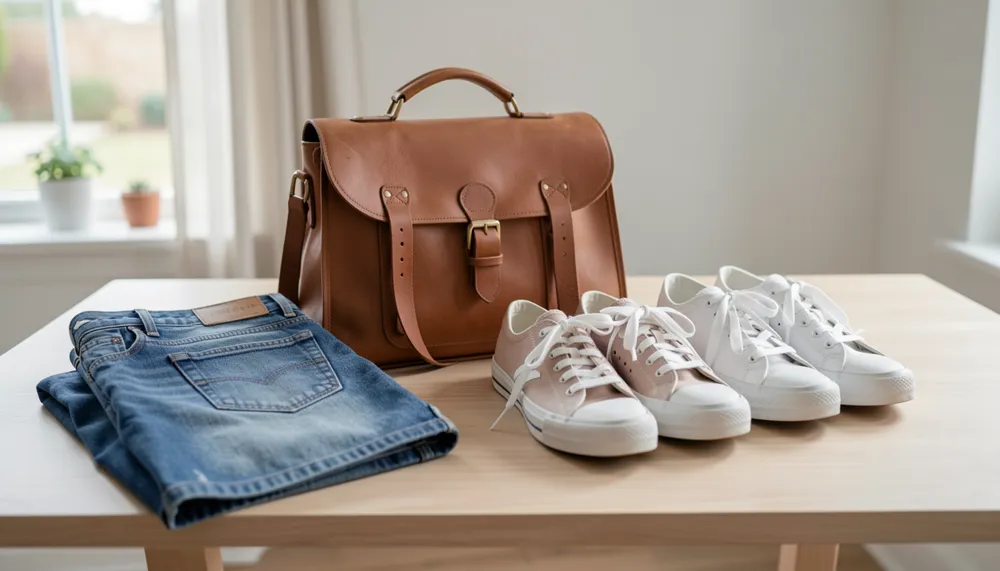
Starting a second-hand resale business is an accessible way to generate income with relatively low upfront costs. Unlike traditional retail, which often requires significant inventory investment and complex supply chain management, resale relies on finding undervalued items and matching them with buyers who appreciate their specific qualities. This guide provides a realistic framework for beginners, focusing on practical steps to build a sustainable side hustle or small business. It emphasizes careful selection, honest description, and understanding the logistical realities of shipping and customs, which vary significantly depending on your location.
Understanding Your Niche and Market
Before purchasing any inventory, it is crucial to define what you intend to sell. The second-hand market is vast, ranging from vintage clothing and electronics to furniture and collectibles. Trying to sell everything often leads to diluted efforts and slower sales. Instead, choose a niche that aligns with your interests and knowledge base. If you enjoy fashion, focus on specific eras or brands you understand well. If you are tech-savvy, consider refurbished electronics or gaming consoles. Specialization allows you to develop an eye for quality and value more quickly than a generalist approach.
Research is your primary tool in this phase. Spend time observing what sells quickly on major platforms and what remains unsold. Look for patterns in pricing, condition descriptions, and buyer feedback. This observational period helps you understand the current demand without spending money. It also helps you identify gaps in the market where specific items are underrepresented or poorly described by other sellers. By narrowing your focus, you can become an expert in a small segment, which builds trust with buyers and allows for more efficient sourcing.
Sourcing Items with Purpose
Sourcing is the process of finding items to buy and resell. For beginners, the most accessible sources are local thrift stores, charity shops, garage sales, and online classifieds. The goal is to find items that are priced below their market value due to lack of visibility, poor photography, or incorrect categorization by the original seller. This requires patience and a keen eye. You are not just looking for "good" items; you are looking for items that are undervalued relative to their potential selling price.
When sourcing, always check the condition carefully. Look for stains, tears, missing parts, or functional defects. A small flaw might significantly lower the resale value, so factor this into your purchase decision. It is also helpful to compare prices across different platforms to establish a baseline value. Remember that the price you pay should leave enough margin to cover shipping costs, platform fees, and your time. A common mistake for beginners is buying items that are too heavy or bulky to ship easily, which eats into profits. Prioritize items that are compact, durable, and easy to pack.
Evaluating Condition and Authenticity
Accurate evaluation is critical to avoiding returns and disputes. When you acquire an item, inspect it thoroughly under good lighting. Clean the item if necessary, as a clean product photographs better and appeals more to buyers. For clothing, check for pilling, fading, or stretched collars. For electronics, ensure all ports work and the battery holds a charge. For furniture, check for wobbles, scratches, or water damage. Document any flaws clearly with photos and written descriptions. Transparency builds trust and reduces the likelihood of returns, which can be costly and time-consuming.
Authenticity is another key factor, especially for branded goods. Learn how to identify genuine products versus counterfeits. This often involves checking stitching quality, label fonts, hardware weight, and packaging details. If you are unsure, consult online forums or dedicated authentication communities. Being able to confidently state whether an item is authentic adds value to your listing. However, do not overpromise. If an item is generic or unbranded, describe it honestly as such. Many buyers appreciate simple, well-made items without brand premiums, provided the quality is good.
Pricing Strategy and Profit Margins
Setting the right price is a balance between competitiveness and profitability. Start by researching completed listings for similar items to see what buyers are actually paying, not just what sellers are asking. This gives you a realistic market value. From this baseline, adjust for condition, rarity, and current trends. A slightly higher price with room for negotiation can sometimes work better than a fixed low price, depending on the platform culture.
Remember to calculate all costs before setting your final price. Include the purchase price, cleaning supplies, packaging materials, shipping costs, and any platform fees. Your profit margin is what remains after these expenses. Aim for a margin that compensates you fairly for your time and effort. If an item does not sell within a reasonable timeframe, consider lowering the price incrementally rather than dropping it drastically at once. This gradual approach can attract buyers who are monitoring price drops. Avoid the temptation to buy in bulk without checking individual item quality; bulk buying can lead to unsold inventory if the items are not individually desirable.
Logistics, Shipping, and Customs
Shipping is often the most underestimated aspect of resale. Different countries have varying customs regulations, taxes, and import duties that can affect both your costs and the buyer's experience. When selling internationally, be aware that customs duties may apply, and these are typically paid by the recipient. Clearly state in your listing whether the price includes shipping and if any additional fees might apply upon delivery. This transparency prevents surprises and disputes.
Packaging should be protective yet efficient. Use recycled materials where possible to keep costs low and appeal to eco-conscious buyers. Ensure items are wrapped securely to prevent damage during transit. For heavier items, consider local pickup options to avoid high shipping costs. If you are shipping internationally, research the most cost-effective postal services for your region. Some countries have efficient postal networks, while others may require courier services for reliable delivery. Always provide tracking information to buyers, as this reduces anxiety and inquiries about delivery status.
Building a Reputation and Managing Listings
Your reputation as a seller is built on consistency and communication. Respond to inquiries promptly and politely. Provide clear, high-quality photos from multiple angles, including close-ups of labels and any flaws. Write concise but informative descriptions that highlight key features and dimensions. Avoid using excessive jargon or overly promotional language. Honest, straightforward descriptions help buyers make informed decisions quickly.
Maintain a consistent posting schedule. Regular activity keeps your listings visible and attracts repeat buyers. Use keywords in your titles and descriptions that match what buyers are searching for. For example, instead of "Blue Shirt," use "Vintage Blue Cotton Button-Down Shirt, Size M, Good Condition." This improves searchability. If you use platforms like Bazarmap, which shows such posts on a free live map, ensure your location details are accurate to help nearby buyers find you easily. This visibility can lead to quicker sales and lower shipping costs through local pickup.
Conclusion
Starting a second-hand resale business requires attention to detail, patience, and a willingness to learn from each transaction. By focusing on a specific niche, sourcing wisely, evaluating items honestly, and managing logistics effectively, you can build a sustainable operation. Remember that success comes from consistent effort and clear communication with buyers. Adjust your strategies based on what works best for your local market and personal style. With time, you will develop a rhythm that balances sourcing, selling, and customer service, turning a simple hobby into a reliable income stream.