
A Guide to Flea Markets and Second-Hand Shopping in Lugulu, Kenya
October 25, 2026
Introduction
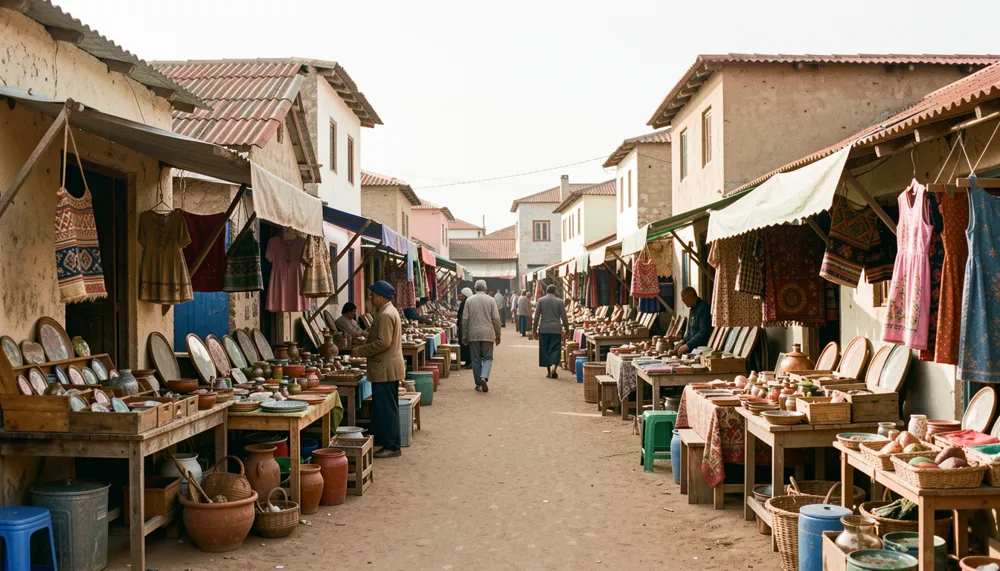
Exploring the second-hand and flea market scene in Lugulu, Kenya, offers a unique opportunity to find affordable goods while supporting local commerce. The area is dotted with numerous markets and shopping centers that cater to a variety of needs, from household items to clothing and electronics. While Lugulu does not have a single centralized flea market, the vibrant network of local markets serves this purpose effectively. This guide will help you plan a productive shopping day, understand the operating hours of key locations, and provide practical tips for selling your own items within these community hubs.
Understanding the Market Landscape
Lugulu’s shopping environment is decentralized, with markets spread across various neighborhoods and junctions. These locations are not just places to buy; they are community hubs where residents trade goods, socialize, and conduct daily business. The markets listed below are your primary destinations for second-hand items. It is important to note that while these are general market spaces, the availability of specific second-hand goods can vary by day and vendor.
The markets are categorized by their primary function or location type to help you organize your visit. Some are larger shopping centers that operate continuously, while others are traditional open-air markets that may have specific peak times.
Key Markets and Shopping Centers
To make the most of your shopping trip, it is helpful to group the available locations by their operational style and known hours. Below are the specific places identified in Lugulu for your visit.
Markets with Specific Operating Hours
Some markets have established schedules that can help you plan your itinerary. Always verify these times locally, as they may change due to holidays or local events.
- Nyalenda: This market is particularly active on Wednesday and Sunday evenings. It is a good spot for evening browsing if you prefer shopping after work hours.
- Sega Shopping Center: Operating 24/7, this center offers flexibility for shoppers who want to visit at unconventional hours. It is a reliable option for late-night or early-morning needs.
General Markets and Shopping Centers
The following locations are well-known markets and shopping centers in the area. While specific hours are not always fixed, they generally operate during standard daytime and early evening hours. You should expect to find a mix of new and second-hand goods here.
- Kanyumba
- Udire/Kamrembo
- Sihai Shopping Centre
- Ohagre
- Kagonya Market Wedewo
- Kogoha Market
- Bar Ober
- Obwogere
- Bandera
- Bukhalalire
- Ndio Ndio Market
- Benga Market
- Namisi Market
- Bukadanyi Market
- Kisoko Shopping Centre
- Kongrass Shopping Centre
- Ogina Market
- Bulwani Market
- Khuluchina/Esikoma Market
- Centre C Market
- Marifa
- Mafene
- Buluma Centre
- Rapando
- Landimawe
- Opili
- Aringo Junction
- Lelekwe Centre
- Lwanyange
- Maolo Centre
- Butokomi
- Ibanda Taa
- Mlimani Centre
- Mama Safi Market
- Buyofu Market
- Sianda Junction Market
- Elwanikha
- Maendeleo
- BI Market
- Oloo Market
- Junction Market Atapar
- Soko Matope
- Akobwait
- Busuru
- Apata
- Khwirale
- Kona Mbaya
- Siebuka
- Mnaji moja
- Kwa Kwoba
- Works Market Namahindi
- Pero
- Masinde
- Mareba
- Ushindi
- Logir
- Mchatikha/Kaironi
- Malambisia
Planning Your Shopping Day
A successful second-hand shopping trip requires strategy. Since Lugulu’s markets are spread out, you should plan your route based on proximity and the type of goods you are seeking.
- Start Early: For most general markets, arriving in the morning ensures the best selection of second-hand items. Vendors often set up their stalls early, and the best finds are usually gone by midday.
- Group by Location: If you are looking for electronics or household goods, start with larger centers like Sega Shopping Center or Sihai Shopping Centre. For clothing and general household items, traditional markets like Nyalenda or Kogoha Market may offer more variety.
- Check Hours: Remember that Nyalenda is best visited on Wednesday or Sunday evenings. If you are shopping at Sega Shopping Center, you have the flexibility of 24/7 access, which is useful if your schedule is tight.
- Bring Cash: Most transactions in these markets are cash-based. Ensure you have small denominations for easier bargaining and payment.
Tips for Buying Second-Hand Items
When shopping for used goods in Lugulu’s markets, it is essential to be thorough and respectful. Here are some general tips to ensure a good experience:
- Inspect Items Carefully: Check for wear and tear, functionality, and cleanliness. For electronics, ask if the vendor can demonstrate that the item works. For clothing, check for stains or tears.
- Negotiate Politely: Bargaining is common in these markets. Start with a reasonable offer and be prepared to meet in the middle. Always remain polite and friendly, as this can lead to better deals.
- Ask About History: If possible, ask the vendor about the item’s history. Knowing how long it has been used or why it is being sold can help you assess its value.
- Compare Prices: Visit multiple stalls before making a purchase. Prices can vary significantly between vendors, even for similar items.
Selling Your Own Items
If you have items to sell, Lugulu’s markets provide a platform to reach local buyers. Whether you are clearing out your home or looking to make extra income, consider these tips for selling at a market or organizing a garage sale.
- Choose the Right Location: Select a market that aligns with the type of goods you are selling. For example, if you are selling household items, a general market like Kagonya Market Wedewo or Bulwani Market may be suitable. For electronics, a shopping center like Kisoko Shopping Centre might attract the right audience.
- Prepare Your Items: Clean and repair items where possible. Presenting goods in good condition can increase their appeal and value.
- Set Fair Prices: Research similar items in the market to set competitive prices. Be prepared to negotiate, but know your minimum acceptable price.
- Display Effectively: Arrange your items neatly and visibly. Use tables or cloths to separate your goods from the ground. Clear signage with prices can help attract buyers.
- Be Present and Engaging: Stay near your stall to answer questions and engage with potential buyers. A friendly demeanor can encourage sales.
Safety and Etiquette
Shopping in local markets is generally safe, but it is wise to take standard precautions. Keep your belongings secure and be aware of your surroundings. Respect the vendors and other shoppers by being polite and patient. If you are selling, ensure you have a safe place to store your cash and keep an eye on your stall.
Conclusion
Lugulu offers a rich variety of markets and shopping centers where you can find second-hand goods and sell your own items. By planning your visit around the operating hours of key locations like Nyalenda and Sega Shopping Center, and by exploring the numerous other markets listed, you can make the most of your shopping experience. Remember to inspect items carefully, negotiate respectfully, and engage with the local community. Whether you are buying or selling, these markets are vibrant parts of Lugulu’s daily life, offering both practical value and social connection.
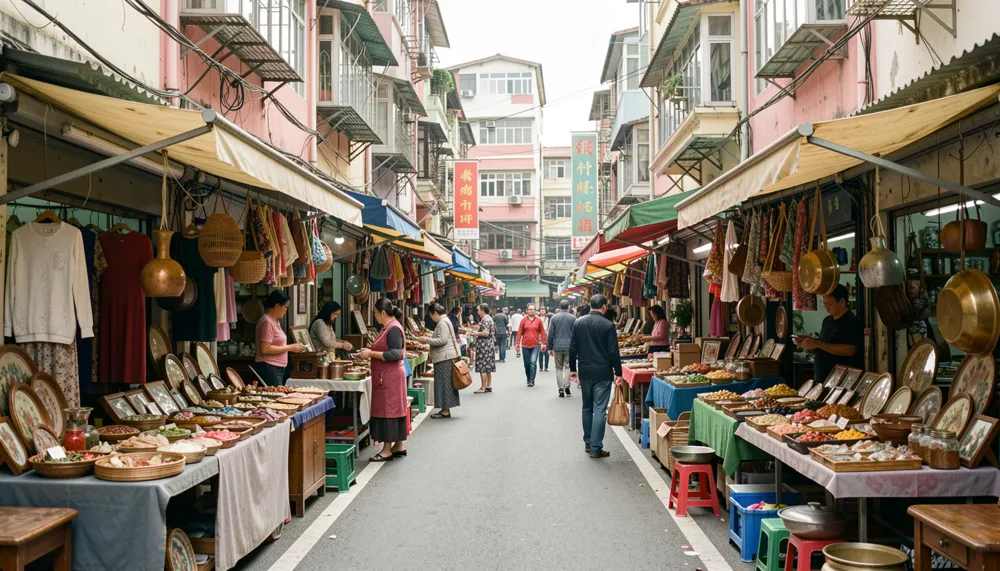 A Guide to Flea Markets, Second-Hand Shops, and Charity Stores in Hong Kong
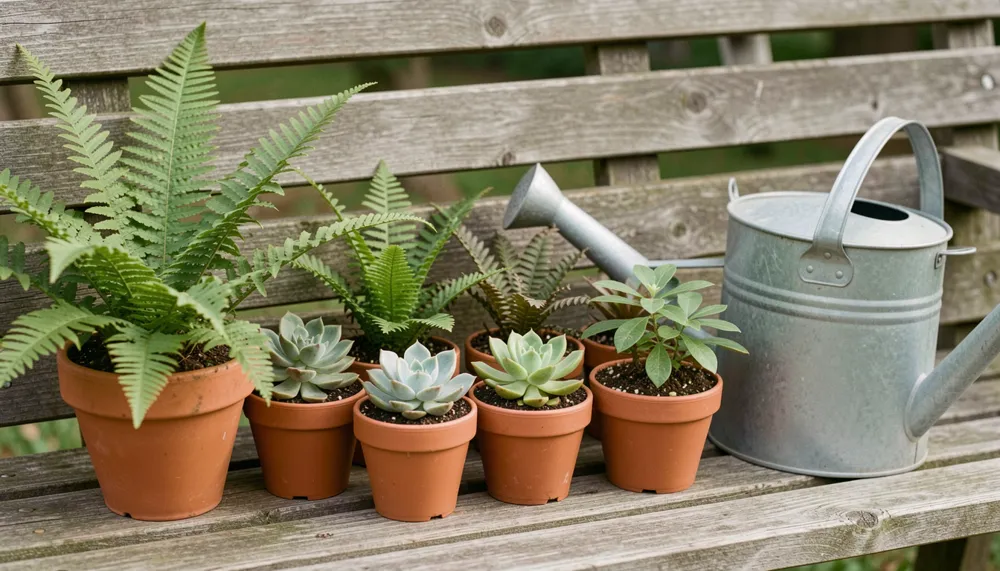 How to Give Away Houseplants Responsibly to New Owners
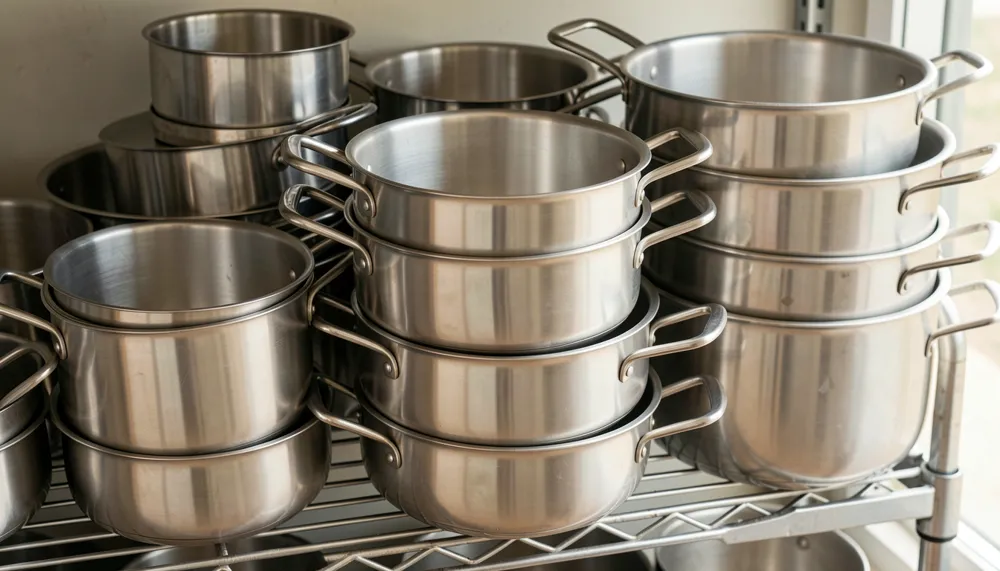 What to Check When Buying Second-Hand Kitchenware
 A Guide to Second-Hand Shopping in Barcelona
 Optimizing Table Layouts for Better Flow at Yard Sales