
What to Check When Buying Second-Hand Kitchenware
October 25, 2026
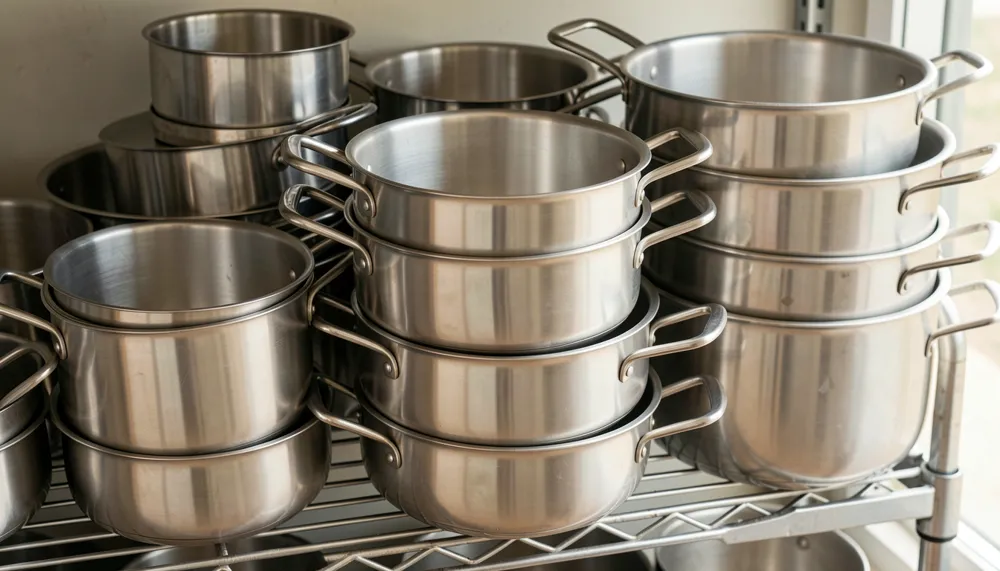
Buying second-hand kitchenware is an excellent way to furnish a home sustainably and affordably. However, unlike new items, used goods come with unknown histories and potential wear that can affect both safety and performance. Whether you are hunting for vintage cast iron skillets, modern stainless steel pots, or specialized baking tools, a systematic inspection is essential. This guide outlines the critical checks you should perform before handing over money, helping you avoid common pitfalls and ensuring that your new-to-you items are safe, functional, and worth the investment.
Assessing Material Safety and Integrity
The most critical aspect of buying used kitchenware is ensuring the materials are safe for food contact. Over time, coatings can degrade, and materials can react with food or cleaning agents. Start by identifying the material of the item. For non-stick pans, check the coating carefully. If you see peeling, flaking, or deep scratches that expose the metal underneath, the pan is likely no longer safe to use. The coating can mix with food, and the exposed metal may react with acidic ingredients. It is generally better to walk away from heavily damaged non-stick surfaces than to risk ingesting coating particles.
For stainless steel and aluminum items, look for signs of pitting or corrosion. Small pits can harbor bacteria and are difficult to clean thoroughly. If the item is made of aluminum, check for heavy oxidation or dark staining that does not wash off, as this can indicate poor maintenance or chemical exposure. Cast iron is durable but requires specific care. Check for rust. Light surface rust can often be scrubbed off and re-seasoned, but deep, flaky rust that has eaten into the metal may compromise the structural integrity of the pan. Additionally, inspect cast iron for cracks, especially around the handle and the rim, as these can expand when heated and cause the pan to break during cooking.
Inspecting Structural Integrity and Wear
Beyond material safety, you need to ensure the item is structurally sound. Kitchen tools undergo significant stress from heat, weight, and mechanical force. For pots and pans, place them on a flat surface. If they wobble, the base is warped. A warped base will not make proper contact with your stove, leading to uneven cooking and wasted energy. This is particularly important for induction cooktops, which require a perfectly flat magnetic base to function correctly.
Check the handles and lids. Handles should be firmly attached with no looseness or play. If a handle is riveted, ensure the rivets are not loose or missing. If it is screwed on, check that the screws are tight and not stripped. Lids should fit snugly. If a lid is warped or the rim is dented, it will not seal properly, which is crucial for simmering, steaming, or pressure cooking. For pressure cookers, this is a safety issue; a poor seal can lead to dangerous pressure leaks or failure to build pressure. Always test the lid fit before purchasing.
For knives and cutting boards, sharpness and surface condition are key. On knives, look for chips along the edge and check for a straight spine. A bent spine indicates the knife has been dropped or abused. For cutting boards, deep grooves and cracks are breeding grounds for bacteria. If the board is heavily scored, it may be time to replace it rather than buy it used, unless you plan to resurface it yourself. Check for warping on wooden boards, as this can make them unstable on the counter.
Verifying Functionality and Hygiene
Visual inspection is only half the battle. You must also verify that the item functions as intended and is hygienic. If possible, ask the seller if the item has been recently cleaned. If you are buying in person, bring a damp cloth to wipe down the interior and exterior. Look for sticky residues, which may indicate old grease or sugar spills that have hardened. These can be difficult to remove and may attract pests if not thoroughly cleaned.
For appliances like blenders, mixers, or kettles, functionality checks are vital. If you are buying in person, ask to plug it in. Listen for unusual noises, such as grinding or rattling, which can indicate worn bearings or loose parts. Check the power cord for fraying, exposed wires, or kinks. A damaged cord is a fire hazard and a shock risk. Ensure the plug matches your local outlet type. If you are buying from a different region, you may need an adapter, but be cautious with high-wattage appliances, as adapters can overheat. Check for any burnt smells, which can indicate electrical issues or overheating motors.
For manual tools like graters, peelers, and can openers, test the mechanism. Does the can opener turn smoothly? Do the grater blades feel sharp and intact? Check for missing parts. A missing gasket on a blender jar or a missing blade on a food processor can render the item useless or dangerous. If the item is incomplete, factor the cost of replacement parts into your decision. Sometimes, finding the specific part for an older model can be more expensive and time-consuming than buying a new item.
Understanding Local Customs and Regulations
When buying second-hand kitchenware, especially from online platforms or international sellers, be aware that customs regulations and safety standards vary by country. What is considered safe and legal in one region may not be in another. For example, some countries have strict regulations on lead and cadmium content in ceramics and glassware. Vintage items, particularly those manufactured before modern safety standards were enforced, may contain higher levels of these heavy metals. If you are buying vintage ceramic dishes, look for labels indicating they are "food safe" or "lead-free." If no label exists, consider using them for decorative purposes only, or have them tested if you plan to use them for food.
Additionally, import duties and taxes may apply if you are buying from another country. Check your local customs website for thresholds on personal imports. Some countries allow a certain value of goods to enter duty-free, while others tax everything. Be prepared to pay these fees upon delivery, as they are often not included in the seller’s listed price. Also, consider shipping restrictions. Some countries restrict the import of certain materials, such as wood products, due to agricultural concerns. Ensure your wooden cutting boards or utensils comply with local agricultural import rules to avoid having them seized at the border.
Evaluating Value and Authenticity
Determining the fair price for second-hand kitchenware requires research. Compare the asking price with new equivalents and other used listings. Consider the age, brand reputation, and condition of the item. High-end brands often retain value better than generic ones, but only if they are in good condition. A scratched premium pan may be worth less than a well-maintained mid-range alternative.
Be wary of counterfeits, especially with popular brands. Check for consistent branding, quality of materials, and packaging if available. Look for serial numbers or model numbers and verify them online if possible. If the price seems too good to be true, it often is. Authenticity issues are more common with high-value items like professional-grade knives or luxury cookware sets. If you are unsure, ask the seller for proof of purchase or original packaging. If these are unavailable, proceed with caution and consider negotiating a lower price to account for the risk.
Where to Find Reliable Listings
Finding good deals requires knowing where to look. Local classifieds, community boards, and thrift stores are excellent sources for in-person inspections. You can see and test the items before buying, which reduces the risk of surprises. Online marketplaces offer a wider selection but require more diligence. When buying online, communicate clearly with the seller. Ask for additional photos of specific areas, such as the bottom of pans, the inside of lids, and the condition of handles. A reputable seller will be willing to provide these details.
For those looking to streamline the search for local second-hand goods, platforms like Bazarmap show such posts on a free live map, allowing you to visualize what is available in your vicinity. This can help you identify nearby sellers and plan efficient pickup routes. However, always verify the condition of the item upon arrival, as online descriptions may not capture all flaws. Use the map feature to find items, but rely on your own inspection to make the final decision.
Conclusion
Buying second-hand kitchenware is a rewarding practice that supports sustainability and saves money. By carefully assessing material safety, structural integrity, functionality, and hygiene, you can avoid common pitfalls and find high-quality tools that will last for years. Remember to consider local customs and regulations, especially when buying internationally or vintage items. With a systematic approach to inspection and a clear understanding of value, you can confidently expand your kitchen collection with pre-loved treasures that are both safe and effective. Happy hunting.
 A Guide to Flea Markets and Second-Hand Shopping in Lugulu, Kenya
 A Guide to Second-Hand Shopping in Barcelona
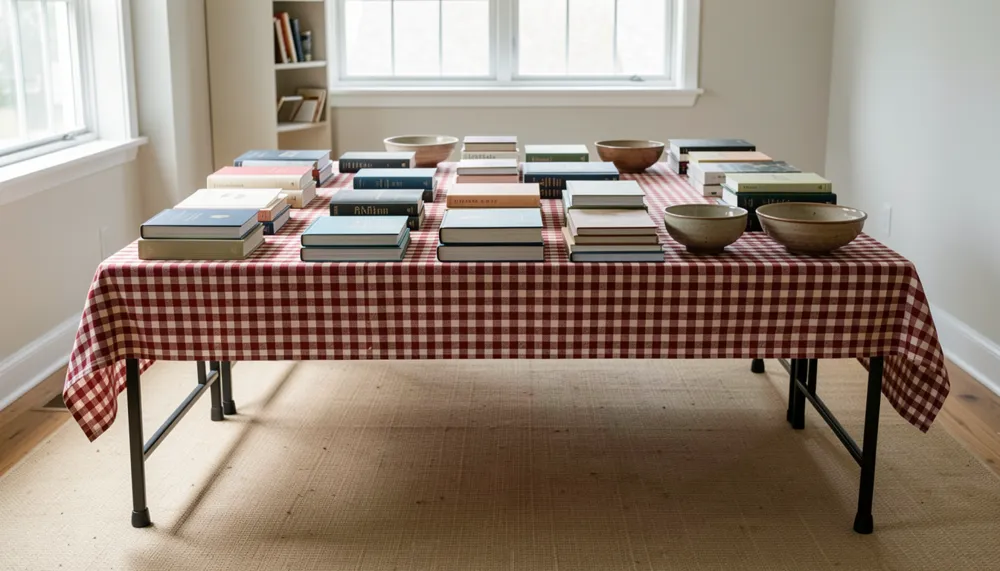 Optimizing Table Layouts for Better Flow at Yard Sales
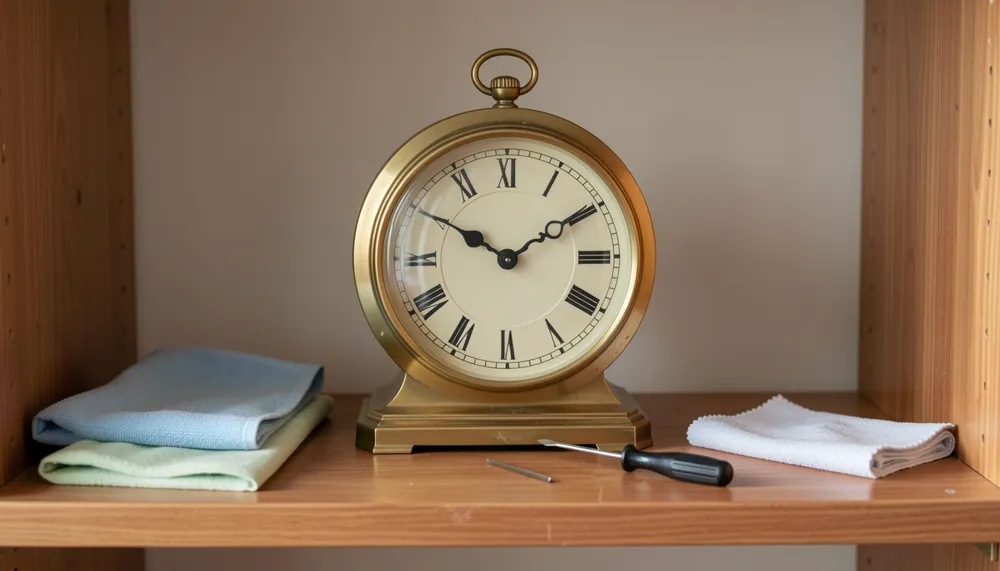 Basic Care for Antique Clocks Before Selling Them