
Basic Care for Antique Clocks Before Selling Them
October 23, 2026
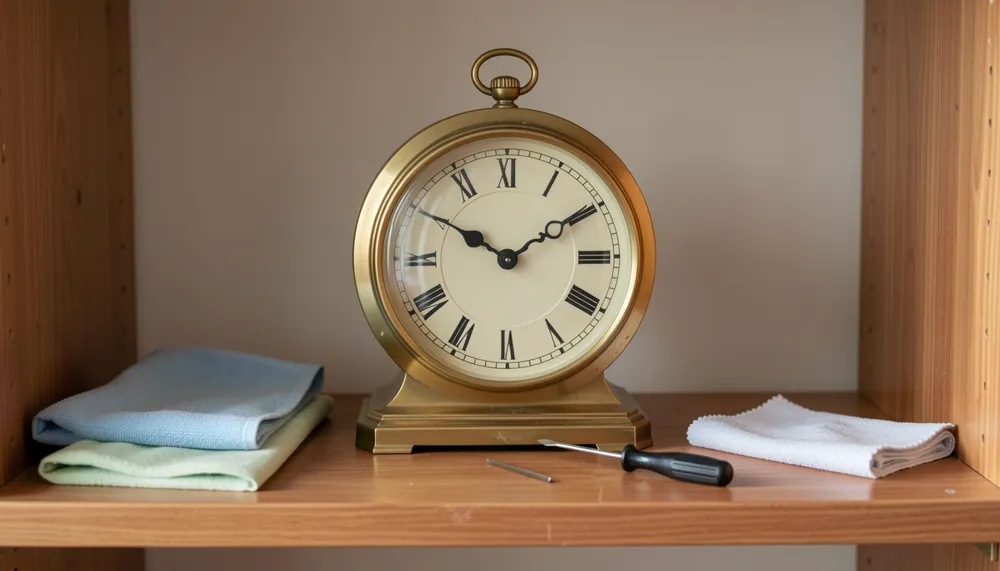
Selling an antique clock is a delicate balance between showcasing its beauty and preserving its historical integrity. Unlike modern appliances, antique timepieces are complex mechanical instruments that have often survived for over a century. Their value is not just in their function, but in their provenance, craftsmanship, and original condition. Before you list a clock for sale, whether locally or internationally, it is essential to perform basic care that enhances its appeal without inadvertently damaging it. This guide outlines the fundamental steps to prepare your antique clock for the market, ensuring it remains attractive to potential buyers while respecting the nuances of international trade and customs.
Assessing the Condition and Originality
Before touching the clock, take time to observe it thoroughly. The most critical factor in the value of an antique clock is originality. Buyers and appraisers look for clocks that retain their original parts, including the case, dial, hands, and movement. If you have replaced parts in the past, note this clearly. If you are unsure whether a part is original, it is often better to leave it alone rather than attempt a repair that might lower the value.
Check for structural integrity. Look for cracks in the case, loose joints, or missing veneer. For wall clocks, ensure the backboard is flat and not warped. For mantel or longcase clocks, check that the feet are stable and the doors close properly. If the clock has been stored in a damp environment, look for signs of rust on the metal components or mold on the wood. Documenting these issues honestly in your listing will build trust with buyers and prevent disputes later. Remember that a clock that does not run is still valuable if it is complete and original; do not feel pressured to make it run if it requires major mechanical intervention.
Cleaning the Exterior: Less is More
One of the most common mistakes sellers make is over-cleaning. Antique clocks often have a patina—a natural aging process that adds character and value. Aggressive polishing can strip this patina, reducing the clock’s worth. The goal is to remove dust and grime, not to make the clock look brand new.
For wooden cases, use a soft, dry cloth to gently wipe away dust. If there is sticky residue, use a slightly damp cloth with mild soap, but avoid soaking the wood. Never use household furniture polish, silicone sprays, or wax unless you are certain of the finish type, as these can cloud the surface or attract more dust. For metal parts like brass bezels or pendulum bobs, use a soft cloth. If the brass is tarnished, a very gentle polish can be used, but avoid abrasive pads that scratch the surface. If the clock has a glass crystal, clean it with a glass cleaner applied to the cloth, not directly onto the glass, to prevent liquid from seeping into the movement.
Handling the Movement and Internal Components
The movement is the heart of the clock and the most sensitive part. If you are not a horologist (clock expert), your interaction with the internal mechanism should be minimal. Dust can be removed using a soft brush or a can of compressed air held at a distance to avoid blowing debris deeper into the gears. Never oil the movement yourself unless you are experienced. Using the wrong type of oil, or applying too much, can gum up the gears and cause significant damage that requires professional repair.
If the clock has a pendulum, remove it carefully before transport or heavy cleaning. Store it in a padded box to prevent bending or breaking. For spring-driven clocks, be cautious if the mainsprings are wound. A released spring can be dangerous and can damage the movement if it snaps back. If you are unsure about the state of the springs, leave the clock as is and note in your description that it may need professional servicing. For weight-driven clocks, remove the weights and store them separately to prevent them from dragging on the floor or damaging the case during handling.
Preparing for Transport and Storage
Antique clocks are fragile and sensitive to vibration and temperature changes. If you are selling locally, allow the buyer to pick up the clock if possible. If you must ship it, or if you are storing it for a period before sale, proper packing is essential. Remove the pendulum and weights, as mentioned earlier. For longcase clocks, remove the hood (the top section) if it is detachable, and pack it separately. This reduces the risk of breakage and makes the pieces easier to handle.
Wrap the clock in acid-free tissue paper or soft cloth to protect the finish. Then, wrap it in bubble wrap, ensuring that the corners and edges are well-padded. Place the clock in a sturdy box that is slightly larger than the clock itself, and fill any empty spaces with packing peanuts or crumpled paper to prevent shifting. For international sales, consider using double-boxing: place the wrapped clock in an inner box, and then place that box inside a larger outer box with ample cushioning between them. This provides extra protection against the rigors of shipping.
Documentation and Provenance
In the world of antiques, documentation is as valuable as the object itself. Gather any papers you have, such as original receipts, appraisal certificates, or repair records. If you know the history of the clock—who owned it, where it was bought, or any significant events it witnessed—write this down. Provenance adds a story to the item, which can significantly increase its appeal to collectors.
Take high-quality photographs from multiple angles. Include close-ups of the dial, the hands, the case details, and the movement if accessible. Show any flaws or repairs honestly. If the clock has a maker’s mark or serial number, photograph it clearly. This information helps buyers verify authenticity and can be crucial for customs declarations in different countries. Be aware that customs regulations vary by country. Some countries have strict rules about importing items made from certain woods or materials, such as ivory or tortoiseshell, which may be found in older clocks. Check the import regulations of the buyer’s country before shipping to avoid delays or confiscation.
Understanding Market Expectations and Pricing
Pricing an antique clock can be challenging. It is influenced by the maker, the age, the condition, and current market trends. Research similar clocks sold recently on reputable auction sites or antique platforms. Be realistic about the condition; a clock that needs work will sell for less than one that is fully functional and original. If you are unsure of the value, consider getting a professional appraisal. This can provide a baseline for your asking price and add credibility to your listing.
When listing the clock, be transparent about its condition. Use terms like "as-is" if you are not certain about its mechanical state. Mention any known issues, such as a missing key or a non-functioning chime. This honesty prevents returns and negative feedback. If you are selling internationally, be clear about who pays for shipping and insurance. Customs duties and taxes are often the responsibility of the buyer, but this should be stated clearly in the listing to avoid confusion. Remember that Bazarmap shows such posts on a free live map, which can help you gauge local interest and see what other sellers are offering in your area.
Conclusion
Preparing an antique clock for sale requires patience, care, and attention to detail. By focusing on gentle cleaning, careful handling, and thorough documentation, you can present your clock in its best light while preserving its historical value. Remember that the goal is to connect with a buyer who appreciates the craftsmanship and history of the piece. Whether you are selling locally or across borders, clear communication and honest representation are key to a successful transaction. Take your time, do your research, and treat the clock with the respect it deserves as a piece of history. With these basic care steps, you will be well-prepared to find a new home for your antique timepiece.
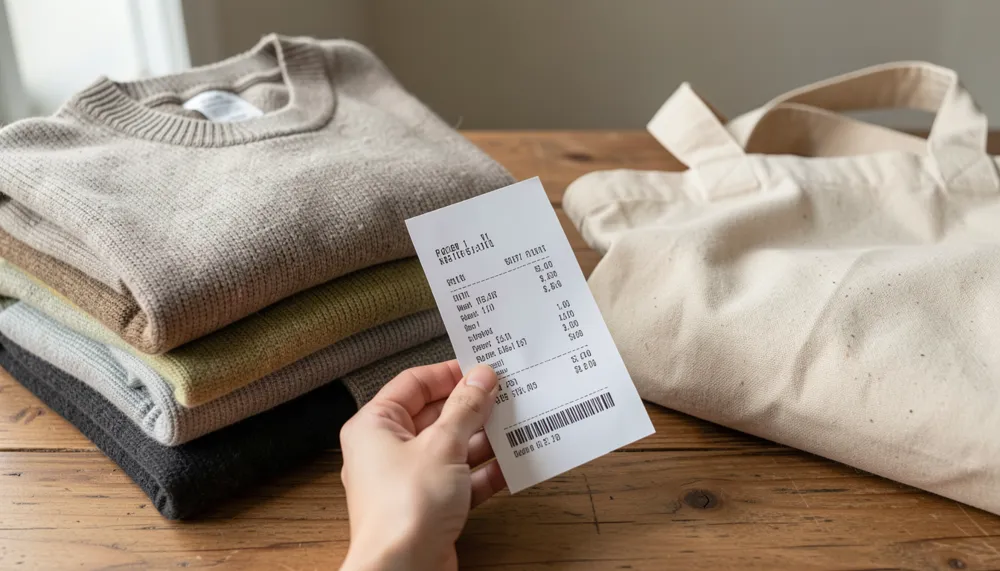 Understanding Tax Deductions for Charity Shop Donations
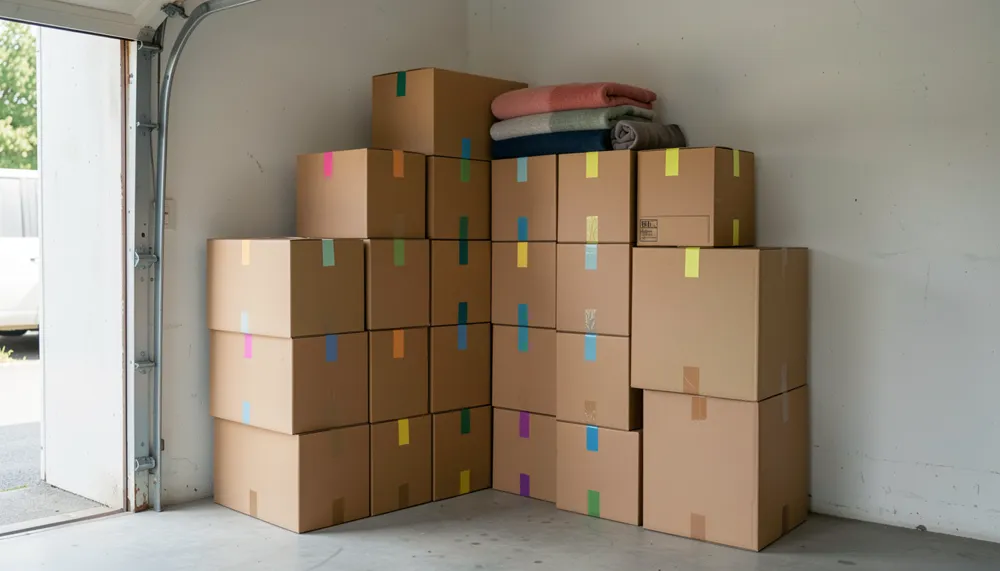 Packing Strategies to Speed Up Your Moving Sale Inventory