
Packing Strategies to Speed Up Your Moving Sale Inventory
October 22, 2026
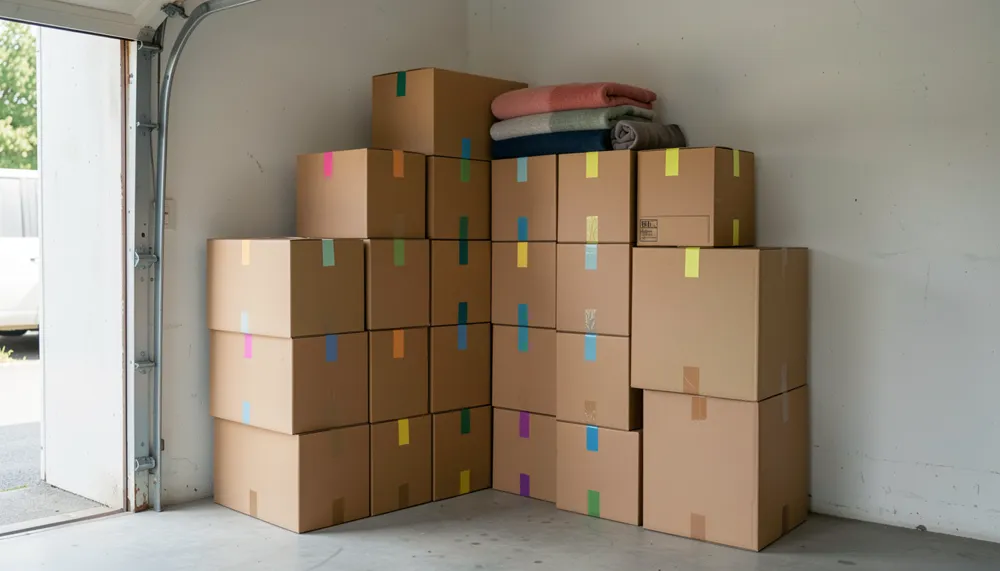
Moving homes is often a chaotic experience, but it also presents a unique opportunity to declutter and generate extra cash through a moving sale. However, the success of your sale depends heavily on how well you organize your inventory before buyers even arrive. A disorganized pile of items can overwhelm potential buyers, leading to hesitation and lower offers. Conversely, a well-packed, clearly categorized inventory invites browsing and encourages quicker decisions. This guide outlines practical packing strategies designed to streamline your moving sale, ensuring that your items are protected, easy to find, and attractive to buyers. By focusing on efficient organization and clear presentation, you can transform a stressful moving day into a productive and profitable event.
Categorize Before You Pack
The foundation of a successful moving sale is logical categorization. Before you begin placing items into boxes, take time to sort your belongings into distinct groups. This initial sorting phase saves significant time later when buyers are browsing. Instead of mixing kitchenware with bedroom linens, keep these categories separate. This approach allows buyers to quickly locate what they are looking for without digging through unrelated items.
Consider creating broad categories such as:
- Kitchen and Dining
- Bedroom and Bedding
- Bathroom Essentials
- Electronics and Cables
- Books and Media
- Clothing and Accessories
Within these broad categories, you can further subdivide if necessary. For example, within Kitchen and Dining, you might separate plates from glassware. This hierarchical organization helps maintain order even as boxes are opened and closed throughout the day. When items are grouped logically, buyers feel less overwhelmed and more confident in their ability to find suitable items for their needs.
Use Uniform Box Sizes
Variety in box sizes can lead to wasted space and unstable stacks. To maximize efficiency and stability, try to use uniform box sizes for similar categories of items. Standard medium-sized boxes work well for most household goods, while smaller boxes are ideal for fragile items or dense collections like books. Larger boxes should be reserved for bulky but lightweight items such as pillows or comforters.
Using consistent sizes allows you to stack boxes neatly, creating a tidy appearance that is inviting to buyers. It also makes it easier to transport items from storage areas to the sale location. When boxes are uniform, you can create stable columns or rows that do not topple over easily. This stability is crucial for maintaining an organized layout, especially if your sale is held outdoors or in a garage where space might be limited.
Additionally, uniform boxes make labeling more effective. When boxes are the same size, labels are easier to read and compare. Buyers can quickly scan the labels to identify which box contains the items they need, reducing the time spent searching and increasing the likelihood of a purchase.
Protect Fragile Items with Care
Fragile items require special attention during packing to prevent damage. Broken items are difficult to sell and may discourage buyers from browsing nearby boxes. To protect delicate goods, use appropriate padding materials such as bubble wrap, foam sheets, or clean towels. Avoid using newspaper if possible, as ink can transfer onto light-colored items.
When packing fragile items, follow these steps:
- Wrap each item individually to prevent them from knocking against each other.
- Place heavier items at the bottom of the box and lighter items on top.
- Fill empty spaces with padding to minimize movement during transport.
- Label boxes containing fragile items clearly so handlers know to treat them with care.
For electronics, ensure that cables are coiled neatly and secured with ties. Loose cables can become tangled and difficult to manage, creating a messy appearance. By keeping cables organized, you present a cleaner look that appeals to buyers who value tidiness. Additionally, testing electronics before packing ensures that they are functional, which adds value and confidence for potential buyers.
Label Boxes Clearly and Consistently
Clear labeling is essential for a smooth moving sale. Without labels, buyers must open multiple boxes to find specific items, which slows down the process and can lead to disorganization. Use large, bold letters to write the category name on each box. Consider using color-coded labels for different rooms or categories to make identification even faster.
Effective labeling strategies include:
- Writing the category name on multiple sides of the box.
- Including a brief list of key items inside the box.
- Using waterproof markers to ensure labels remain legible.
- Placing labels at eye level for easy reading.
Consistency in labeling helps buyers navigate your inventory quickly. When labels are uniform in style and placement, buyers can develop a mental map of your layout. This familiarity reduces confusion and encourages them to browse more thoroughly. Remember that clarity is key; avoid abbreviations that might be unclear to others. Simple, direct language works best for international audiences, as customs and language preferences differ by country.
Optimize Space with Vertical Stacking
Space is often limited during moving sales, especially in apartments or small yards. To maximize your selling area, utilize vertical space by stacking boxes efficiently. Start with larger, heavier boxes at the bottom and place lighter boxes on top. This creates a stable foundation that supports additional weight without collapsing.
When stacking, consider the following tips:
- Align boxes neatly to create clean lines and a professional appearance.
- Leave aisles wide enough for buyers to move comfortably.
- Avoid overstacking to prevent accidents and damage.
- Use sturdy boxes that can support weight without buckling.
Vertical stacking not only saves space but also creates a visually appealing display. A well-organized stack looks intentional and cared for, which can increase perceived value. Buyers are more likely to trust items that appear well-maintained and thoughtfully arranged. Ensure that stacks are stable and secure, checking them periodically throughout the sale to maintain order.
Create a Logical Flow for Buyers
The layout of your sale area influences how buyers interact with your inventory. A logical flow guides buyers through different sections, making it easy for them to browse without backtracking. Start with high-interest items near the entrance to draw attention, then move to bulkier items further back.
Consider arranging your space in zones:
- Entry Zone: Small, attractive items like jewelry or accessories.
- Middle Zone: Kitchenware, books, and electronics.
- Back Zone: Larger furniture or bulky items.
This progression helps manage traffic flow and prevents congestion. Buyers can quickly scan the entry zone for quick purchases, then move deeper into the space for larger items. Keep pathways clear and unobstructed to facilitate movement. If you are hosting the sale in a shared space, be mindful of neighbors and common areas, as customs regarding noise and space usage differ by country.
Final Checks Before the Sale Begins
Before opening your doors to buyers, perform a final check of your inventory and layout. Ensure that all boxes are labeled correctly and stacked securely. Walk through the space to identify any potential hazards or confusing arrangements. Adjust boxes as needed to improve visibility and accessibility.
Prepare a simple system for handling payments and exchanges. Having a clear process reduces confusion and speeds up transactions. Consider setting up a small table with change, bags, and a list of prices if applicable. This preparation shows professionalism and respect for buyers' time.
For those looking to expand their reach, platforms like Bazarmap show such posts on a free live map, helping connect sellers with nearby buyers. This visibility can increase foot traffic and improve the overall success of your sale.
By implementing these packing strategies, you create an environment that encourages browsing and purchasing. Organized inventory, clear labeling, and thoughtful layout contribute to a positive experience for both sellers and buyers. These practices not only speed up the selling process but also enhance the perceived value of your items. With careful preparation, your moving sale can become a efficient and rewarding part of your relocation journey.
 A Guide to Flea Markets, Second-Hand Shops, and Charity Stores in Hong Kong
 How to Give Away Houseplants Responsibly to New Owners
 A Guide to Flea Markets and Second-Hand Shopping in Lugulu, Kenya
 What to Check When Buying Second-Hand Kitchenware
 A Guide to Second-Hand Shopping in Barcelona
 Optimizing Table Layouts for Better Flow at Yard Sales