
A Guide to Second-Hand and Market Shopping in Chengdu
October 11, 2026
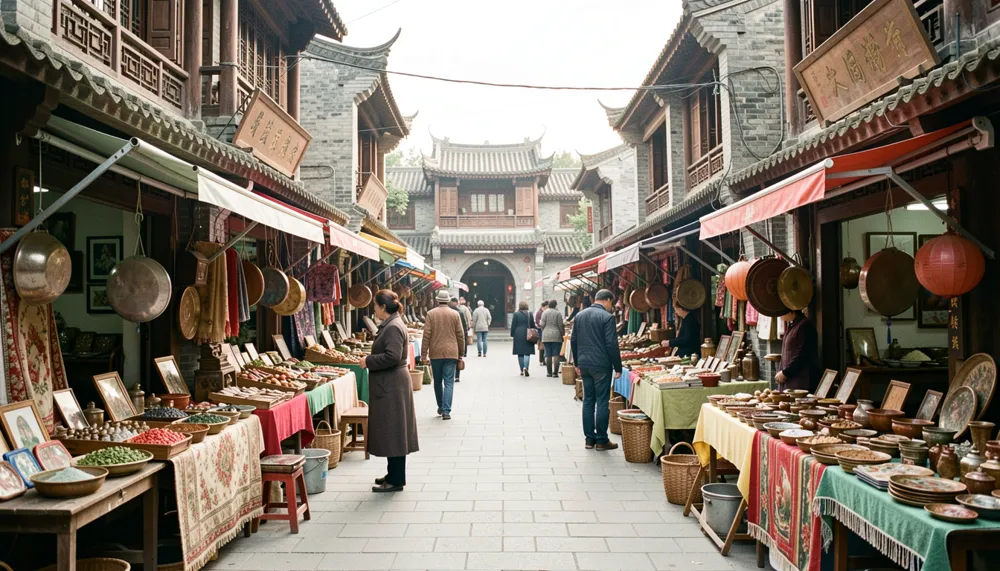
Chengdu offers a vibrant landscape for second-hand shopping, blending traditional community markets with specialized antique and wholesale hubs. For those interested in finding unique items, affordable goods, or simply experiencing the local rhythm of commerce, understanding how to navigate these spaces is essential. This guide outlines how to structure a shopping day by categorizing venues into antique-focused spots, general community markets, specialized trade zones, and early-morning hubs. By grouping locations by their primary function, you can optimize your route and time management. Whether you are hunting for vintage collectibles or fresh produce alongside household goods, Chengdu’s diverse market ecosystem provides ample opportunity for discovery. The following sections detail specific venues, their operating characteristics, and practical tips for both buying and selling within this dynamic environment.
Antique and Collectible Hubs
For collectors and enthusiasts seeking unique historical items, Chengdu offers specific venues dedicated to antiques and collectibles. These locations differ significantly from general grocery markets, focusing instead on curated goods with historical or artistic value. The primary destination for this niche is the Chengdu Cultural Relics and Antiques Market (成都文物古玩市场). This market serves as a central hub for those interested in traditional crafts, old ceramics, calligraphy tools, and other heritage items. Unlike the bustling noise of food markets, these spaces often allow for a more contemplative browsing experience, though negotiation remains a key part of the interaction.
Another notable spot is the Red Sun Collection (红太阳收藏). This antique shop provides a more focused selection, often catering to specific interests such as stamps, coins, or traditional decor. Visiting these locations requires a different mindset than visiting a wet market; patience and knowledge of item condition are crucial. When visiting these hubs, it is advisable to arrive early to avoid crowds and to have time to inspect items closely. Since these shops deal in unique pieces, inventory can vary greatly from day to day, making each visit a distinct experience.
Early Morning Community Markets
One of the most distinctive features of Chengdu’s market culture is the early morning activity. Many community markets open very early to serve residents who prefer to buy fresh goods before the day heats up. The Rooftop Book Market Stall (楼顶书市地摊) is a prime example of this early-bird culture. It operates specifically on Wednesdays and Sundays from 05:00 to 08:30. This limited window requires careful planning, as arriving after 08:30 means missing the opportunity entirely. This venue is ideal for those who enjoy the quiet atmosphere of dawn and want to browse books or small items before the city becomes busy.
Other markets also follow early schedules, though their hours may vary. It is important to note that opening hours for all venues mentioned here may change due to seasonal adjustments or local management decisions. Always verify the current schedule before making a dedicated trip. The early morning slots are generally less crowded, allowing for quicker browsing and easier interaction with vendors. For those who prefer a quieter shopping experience, targeting these early hours is a strategic choice that aligns with the local lifestyle.
General Community and Vegetable Markets
The bulk of Chengdu’s second-hand and general shopping opportunities are found in community-based vegetable and comprehensive markets. These venues are not just for food; they often include stalls selling household goods, clothing, and miscellaneous items. Key locations include the Jinxin Jiayuan Agricultural Market (锦馨家园农贸市场), Jingtu Temple Vegetable Market (净土寺菜市场), and Jindu Vegetable Market (近都菜市场). These markets serve as neighborhood hubs where residents gather daily.
Other significant community markets include the Jinfeng Street Agricultural Market (金凤街农贸市场), Jieeryan Community Convenience Vegetable Market (姐儿堰社区便民菜市场), and various "Roadside Stalls" (路边摊菜市) and "Small Vegetable Markets" (小菜市). The Jianshe Road Vegetable Market (建设路菜市场) and the Jiaotong University Community Comprehensive Vegetable Market (交大小区综合菜市) are also popular for their accessibility and variety. These markets are characterized by a mix of fresh produce and general merchandise, offering a holistic shopping experience. The Yimin Vegetable Market (益民菜市), including its Dongmen branch, is a well-known chain that provides consistent quality and variety across different locations. Similarly, the Huisheng Agricultural Market (惠生农贸市场) and the Zhihui Agricultural Market (智慧农贸市场) offer modernized facilities for traditional shopping needs.
When visiting these general markets, expect a lively atmosphere. Vendors often sell a mix of goods, from fresh vegetables to second-hand kitchenware. The convenience of these locations lies in their proximity to residential areas, making them ideal for quick trips. However, because they are heavily focused on fresh food, the selection of durable goods may be more limited compared to specialized markets. Still, they remain excellent spots for finding practical, everyday items at reasonable prices.
Specialized Trade and Wholesale Zones
For those looking for bulk items, specific categories, or industrial goods, Chengdu has several specialized trade zones. These areas are often larger and more organized than community markets, focusing on specific sectors. The Chengdu North Electronic City (城北电子城) is a key destination for electronics and tech accessories. Here, you can find components, cables, and small devices, often at competitive prices due to the wholesale nature of the trade.
The Hua Chuan Yindi International Building Materials City (华川银地·国际建材城) and the Dongfang Building Materials City (东方建材城) cater to home improvement needs, offering tiles, fixtures, and decor. For automotive enthusiasts, the Dong'an International Auto Parts City (东安国际汽配城) provides a wide range of car parts and accessories. The Jianlong Steel City (剑龙钢材城) and the Liangli Steel Logistics Center (量力钢材物流中心) are essential for those needing industrial materials. These specialized markets are best visited when you have a specific list of items, as the sheer volume of stock can be overwhelming.
Additionally, the Chengdu South Second-hand Market (成南二手市场) and the Longhua Renewable Resources Second-hand Trading Market (龙华再生资源二手交易市场) are dedicated specifically to second-hand goods. These venues are ideal for finding furniture, appliances, and bulk items. The Baimiao Agricultural Products Center Wholesale Market (白家农贸市场) also includes various trading zones for dried goods, snacks, beverages, and seafood, offering a comprehensive wholesale experience. The Sanjiang Agricultural Market (三江农贸市场) and the Southwest Comprehensive Agricultural Market (西南综合农贸市场) further expand the options for bulk purchasing.
Selling Your Own Items
If you wish to sell your own belongings, Chengdu’s market culture offers several avenues. Garage sales are less common in the Western sense, but community markets and designated trading zones provide platforms for individuals to sell goods. When preparing to sell, consider the type of item you have. Electronics are best suited for the Chengdu North Electronic City, while furniture and household goods fit well in the Longhua Renewable Resources Second-hand Trading Market or the Chengdu South Second-hand Market.
To sell effectively, ensure your items are clean and clearly displayed. In community markets, you may need to negotiate space with existing vendors or find designated areas for temporary stalls. It is helpful to bring your own table or cloth to display items neatly. Pricing should be reasonable and aligned with the local market rates; observing similar items in the market can help you set competitive prices. Be prepared for cash transactions, as many smaller stalls prefer cash payments, though digital payments are increasingly common.
Timing is also crucial. Selling during peak hours, such as early mornings or evenings when residents are returning home, can increase visibility. However, ensure you are not blocking walkways or disrupting the flow of traffic. Respect the existing vendors by keeping your setup compact and tidy. Building rapport with neighboring vendors can also help, as they may direct customers to your stall. Always be polite and patient during negotiations, as haggling is a standard part of the shopping culture in these markets.
Planning Your Shopping Day
To make the most of your time, structure your day around the operating hours and locations of these markets. Start early with the Rooftop Book Market Stall if you are visiting on a Wednesday or Sunday. Afterward, move to nearby community markets like the Jianshe Road Vegetable Market or the Jiaotong University Community Comprehensive Vegetable Market for general browsing. If you are looking for specific items, plan your route to include specialized zones like the Chengdu North Electronic City or the Hua Chuan Yindi International Building Materials City.
Group your visits geographically to minimize travel time. For example, if you are in the northern part of the city, focus on the Chengdu North Electronic City and nearby community markets. If you are in the south, prioritize the Hua Chuan Yindi International Building Materials City and the Longhua Renewable Resources Second-hand Trading Market. Always check the current opening hours, as they may change. Bringing a reusable bag is recommended, as many markets encourage sustainable practices. Stay hydrated and wear comfortable shoes, as walking between stalls can be extensive.
Conclusion
Navigating Chengdu’s second-hand and market scene requires a blend of planning and flexibility. By understanding the distinct roles of antique shops, early morning hubs, community markets, and specialized trade zones, you can tailor your shopping experience to your needs. Whether you are hunting for vintage collectibles at the Chengdu Cultural Relics and Antiques Market or browsing household goods at the Jinxin Jiayuan Agricultural Market, each venue offers a unique glimpse into local life. Remember to verify hours, respect local customs, and engage with vendors respectfully. With these tips, you can enjoy a productive and enriching shopping day in Chengdu, finding both practical goods and unique treasures while supporting the vibrant local economy.
 Basic Care for Antique Clocks Before Selling Them