
A Guide to Second-Hand Shopping in Istanbul
October 29, 2026
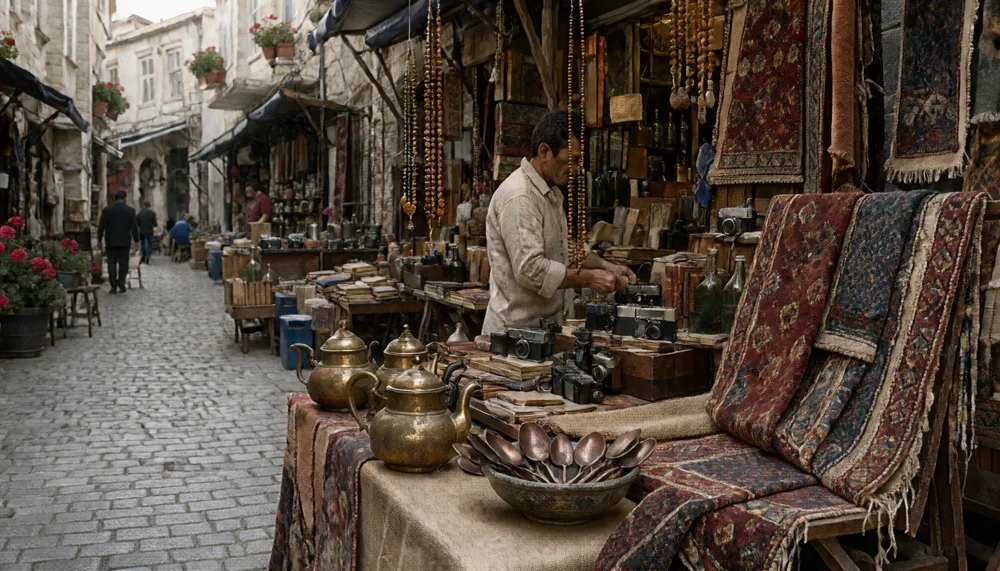
Istanbul is a city where history and modernity intersect, and this blend is most visible in its vibrant second-hand shopping scene. From bustling open-air markets to curated antique boutiques and practical second-hand stores, the city offers endless opportunities to find unique items. Whether you are looking for vintage clothing, antique furniture, or everyday bargains, planning your route is essential because many of these places operate on specific days or limited hours. This guide helps you navigate the diverse landscape of flea markets, antique shops, and second-hand stores in Istanbul, Türkiye, ensuring you make the most of your shopping day.
Planning Your Route by Day
Because many markets in Istanbul are day-specific, your itinerary should be dictated by the calendar. If you are visiting on a Wednesday, you have access to the Çarşamba Pazar Alanı, which operates from 09:00 to 20:00. This is also the day for the Göztepe Organik Pazarı, which runs from 11:00 to 19:00. For those visiting on a Thursday, the Perşembe Pazarı - Sebze, Meyve, Giyim is open from 10:00 to 19:00, and there is also a Perşembe Pazarı listed without specific hours, so checking locally is advised. Friday is the day for the Yakacık Semt Pazarı. If you are in the city on a Tuesday, the İçerenköy Salı Pazarı is the place to go. Saturday offers a wide variety, including the Beşiktaş pazarı (08:00-20:00), the Yayla Mahallesi Pazar Alanı (09.00-21.00), and the Kadınlar Pazarı, which is open from 08:00 to 22:00. Sunday is another busy day with the Pazar Pazarı (07:00-20:00), Arenapark Organik Pazarı (10:00-19:00), and Kastamono (open on Sundays). Note that hours may change, so it is always wise to verify before traveling.
Exploring the Markets
Istanbul’s markets are not just for groceries; they are treasure troves for second-hand goods. The Kadınlar Pazarı is a standout for its extended hours, operating from Monday to Saturday (09:00-22:00 on Mon-Tu, 08:00-22:00 on Wed-Sa) and Sundays from 08:00 to 23:00. This makes it a flexible option for evening browsing. For a more traditional market experience, visit the Beşiktaş pazarı on Saturdays or the Çarşamba Pazar Alanı on Wednesdays. These markets often feature stalls selling used clothing, household items, and accessories alongside fresh produce. If you are looking for organic goods or specific local produce, the Arenapark Organik Pazarı and Göztepe Organik Pazarı are good stops, though their focus may be less on antiques and more on fresh items. The Mısır Çarşısı (Spice Bazaar) and Kapalı Çarşı (Grand Bazaar) are iconic covered markets. The Mısır Çarşısı is open Monday to Saturday from 08:00 to 19:00 and Sundays from 09:30 to 19:00. The Kapalı Çarşı operates Monday to Saturday from 9:00 to 19:00. While these are famous for spices and jewelry, they also host many shops dealing in vintage and antique items.
Visiting Antique Shops
For those seeking curated antiques, Istanbul has numerous specialized shops. In the Moda area, Baran Antika on Moda Caddesi is a notable stop. If you are near Halide Edip Adıvar Caddesi, Yaz Vintage is open Monday to Saturday from 11:00 to 21:00. For a wider selection of antiques, consider visiting shops like Ora Etc. on Ferah Yolu Sokağı, which is open Monday to Saturday from 10:00 to 19:00 and closed on Sundays. Other antique shops worth exploring include Üstün Antik, İstanbul Antik on Kaptan Arif Sokağı, Sancak Antika on Tanzimat Sokağı, and Antique 50. The Horhor area is famous for antiques, with shops like Horhor on Kırma Tulumba Sokak and Gallery Antique on Divan yolu caddesi. Other locations include Sude on Binbirderek meydanı sokak, Japon pazari on Slama tomruk Caddesi, and Büyük Tesbihçi on Marmara Caddesi. Many of these shops, such as Can Antika, Tüvana on Mimar Sinan Caddesi, and Simay Antik on Turşucu Dere Sokak, offer unique pieces that require careful inspection. Always ask about the provenance of items if it matters to you, as hours may change.
Second-Hand Stores and Spot Shops
Istanbul has a robust culture of "spot" shops, which are second-hand stores dealing in everything from furniture to electronics. Spotçu, Çiftçioğulları Mobilya, and Cem Iron Butt are examples of such stores. If you are looking for general second-hand goods, Mert Spot 2. El Eşya, Thrift, and Kadıköy Spot are good places to start. Other notable second-hand shops include Yılmaz Spot, 45 Alaşehir Spot, Asya Spot, Furkan Spot, and Çiçek Spot. For those near Küçük Saray Meydanı Caddesi, Uslu Spot is a convenient option. Cix Home on 58. Bulvar Caddesi and Bağdat Antika on Bağdat Caddesi also offer second-hand items. Eskidji is another well-known name in the second-hand sector. These shops often have varying stock, so visiting multiple locations increases your chances of finding what you need. Unlike markets, these shops usually have fixed locations and may have more consistent hours, though specific times are not always listed, so calling ahead is recommended.
Tips for Selling Your Own Items
If you are living in Istanbul and wish to sell your own items, you can participate in local markets or organize a garage sale. When selling at a market, be prepared to negotiate, as bargaining is common. Ensure your items are clean and well-presented. If you are holding a garage sale, check with your building management or local municipality for any general guidelines, though specific rules vary by neighborhood. It is helpful to have small change available for cash transactions. For larger items like furniture, consider using second-hand shops like Çiftçioğulları Mobilya or Kadıköy Spot to sell or consign items. Always be clear about the condition of the item and any flaws. Selling in person allows buyers to inspect goods, which can facilitate quicker sales. Remember that prices are often negotiable, so set your initial price with some room for haggling.
General Shopping Advice
When shopping in Istanbul’s second-hand scene, cash is often preferred, especially at markets and smaller shops. While some antique shops may accept cards, it is safer to carry Turkish Lira. Wear comfortable shoes, as you will likely walk a lot, especially in large markets like the Kadınlar Pazarı or the Kapalı Çarşı. Inspect items carefully before purchasing, particularly for antiques and vintage clothing, as returns are rarely possible. If you are buying furniture from shops like Çiftçioğulları Mobilya, ask about delivery options. For clothing, check for stains or tears. Bargaining is expected in markets and some antique shops, but be respectful. Start with a lower offer and work towards a middle ground. Finally, keep in mind that opening hours may change, especially during holidays or special events, so double-check times before making a trip.
Conclusion
Istanbul offers a rich tapestry of second-hand shopping experiences, from the vibrant energy of day-specific markets like the Beşiktaş pazarı and Kadınlar Pazarı to the curated elegance of antique shops like Baran Antika and Ora Etc. By planning your visits according to the day of the week and the specific hours of each location, you can efficiently explore the city’s best spots for vintage and second-hand goods. Whether you are hunting for a rare antique or a practical household item, the key is to be flexible, carry cash, and enjoy the hunt. With careful planning and a bit of patience, you will find unique treasures that reflect the city’s diverse history and culture.
 A Guide to Second-Hand Shopping and Night Markets in Kuala Lumpur
 Taking Your Dog to Flea Markets and Second-Hand Shops: Etiquette and Safety
 Choosing the Best Hours for Your Moving Sale Traffic
 A Guide to Second-Hand Shopping in Auckland
 Navigating Return Policies at Charity and Second-Hand Shops
 A Guide to Second-Hand Shopping in Hamburg