
Taking Your Dog to Flea Markets and Second-Hand Shops: Etiquette and Safety
October 30, 2026
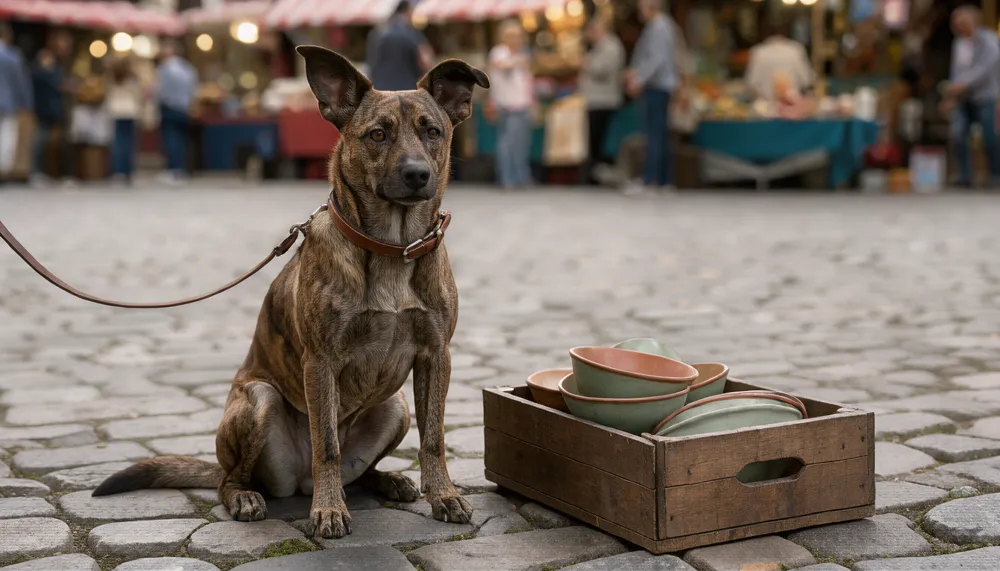
Visiting flea markets, vintage fairs, and second-hand shops is a popular pastime for many people. It offers the chance to find unique items, support local sellers, and enjoy a lively atmosphere. For many dog owners, the desire to bring their canine companion along is natural. However, these environments present unique challenges that differ significantly from walking in a park or visiting a standard retail store. Crowds, uneven terrain, loud noises, and the presence of other animals require careful preparation and strict adherence to etiquette. This guide outlines how to ensure a safe and pleasant experience for you, your dog, and the vendors and shoppers around you.
Check Local Rules and Vendor Policies
Before you leave the house, the most critical step is to verify whether dogs are actually allowed. Unlike supermarkets or department stores, which often have strict no-pet policies, outdoor flea markets and some independent second-hand shops may be more flexible. However, this flexibility is not universal. In many countries, health and safety regulations regarding food vendors or indoor spaces may prohibit animals regardless of the general pet-friendliness of the area.
It is essential to research the specific venue beforehand. Check the website or social media pages of the market or shop. If the information is unclear, call ahead. When you arrive, look for signage at the entrance. If there is no clear indication, ask a vendor or a security guard before entering. Remember that even if dogs are permitted, individual vendors may have their own rules, especially if they sell clothing, bedding, or food items. Respecting these boundaries is the foundation of good etiquette.
Assess Your Dog’s Temperament and Training
Not every dog is suited for the chaotic environment of a flea market. These venues are often crowded, noisy, and filled with distractions. Before deciding to bring your dog, honestly assess their temperament. Is your dog comfortable around strangers, other dogs, and sudden loud noises? Can they handle being in close proximity to people who may not be dog-friendly?
Basic obedience is non-negotiable. Your dog should reliably respond to commands such as "sit," "stay," "leave it," and "heel." You will need to navigate through narrow aisles and around stalls, often requiring your dog to wait patiently while you browse. If your dog tends to pull on the leash, jump on people, or bark at other animals, a flea market is likely too stimulating and potentially dangerous for them. Consider leaving them at home or with a trusted sitter if they are not fully trained for high-distraction environments.
Prioritize Safety in Crowded and Uneven Spaces
Safety is the primary concern when navigating a flea market with a dog. These areas are often set up in parking lots, streets, or large halls with uneven surfaces. Paved areas may have cracks, loose gravel, or debris that can injure paws. Indoor second-hand shops may have narrow aisles cluttered with merchandise, increasing the risk of your dog knocking over items or getting tangled in displays.
Keep your dog on a short, non-retractable leash. A retractable leash can extend too far, allowing your dog to wander into the path of other shoppers or vendors who are carrying heavy items. A standard six-foot leash gives you better control and keeps your dog close to your side. Be mindful of the weather; if it is hot, asphalt can burn paw pads, and if it is cold, ensure your dog is adequately protected. Always carry water for your dog, as vendors may not have bowls available, and hydration is crucial in busy, outdoor settings.
Respect Vendors and Their Merchandise
Vendors at flea markets and second-hand shops are often small business owners or individuals selling personal items. They rely on the condition of their goods for their income. Your dog’s presence should not compromise the cleanliness or integrity of their merchandise. Keep your dog away from stalls selling food, fresh produce, or open containers. Even if your dog is well-behaved, the risk of accidental contamination is too high.
If your dog needs to relieve themselves, do not assume there is a designated area. Look for grassy patches away from the stalls, or bring a portable potty pad if you are in an urban setting. Always clean up immediately and dispose of waste in a trash bin, not just leave it on the ground. This simple act of courtesy ensures that vendors remain welcoming to future dog owners. If your dog is prone to shedding, consider brushing them thoroughly before the trip to minimize loose fur on the vendors’ displays.
Manage Interactions with Other Dogs and People
Flea markets are social hubs, and you will likely encounter other dogs. Even if your dog is friendly, not every other dog will be. Some may be reactive, fearful, or protective of their owners. Always ask the other owner for permission before allowing your dog to approach or sniff. Do not assume that a dog wagging its tail is inviting interaction; tail wagging can also indicate anxiety or arousal.
Similarly, be mindful of shoppers who may be afraid of dogs. If you see someone hesitating or stepping away, give them space. Keep your dog close to your legs and avoid letting them jump up to greet people. If your dog wants to sniff a person’s bag or clothing, gently redirect them. Remember that you are a guest in their shopping space, and your dog’s behavior reflects on all dog owners. By being proactive and respectful, you help maintain a positive reputation for pet-friendly public spaces.
Consider Local Customs and Cultural Differences
When traveling or living in different regions, be aware that attitudes toward dogs in public spaces vary significantly. In some countries, dogs are commonly seen in cafes, markets, and shops, and there is a high level of tolerance and familiarity. In others, dogs may be viewed primarily as working animals or pets kept strictly within the home, and seeing one in a market might be considered unusual or even offensive.
Observe the behavior of locals. If you see few or no dogs in the area, it is a strong indicator that bringing your pet may not be culturally appropriate or welcomed. In some European countries, for example, dogs are frequently allowed in outdoor markets but rarely in indoor food halls. In parts of Asia or the Middle East, cultural or religious norms may restrict animals in certain public areas. When in doubt, err on the side of caution and leave your dog at home. This respect for local customs ensures you do not inadvertently cause discomfort or offense.
Plan for Emergencies and Comfort
Even with the best preparation, things can go wrong. Have a plan for what to do if your dog becomes overwhelmed, injured, or sick. Identify the nearest veterinary clinic before you arrive at the market. Keep a basic first-aid kit in your bag, including bandages, antiseptic wipes, and tweezers for removing splinters or thorns from paws.
Bring familiar items to help your dog feel secure, such as a favorite toy or a blanket with their scent. If your dog starts to show signs of stress—such as panting heavily, pacing, or trying to hide—do not hesitate to leave. It is better to cut the visit short than to push your dog beyond their comfort zone. A positive, short experience is better than a long, stressful one. If you find that flea markets are consistently too much for your dog, consider alternative outings that suit their temperament better.
Conclusion
Taking your dog to flea markets and second-hand shops can be a rewarding experience, but it requires preparation, awareness, and respect for others. By checking local rules, ensuring your dog is well-trained, prioritizing safety, and respecting vendors and shoppers, you can enjoy these venues without causing disruption. Remember that customs vary by country, so staying observant and adaptable is key. If you are looking for local events, platforms like Bazarmap show such posts on a free live map, helping you find nearby opportunities. Ultimately, the goal is to ensure a safe, happy outing for your dog and a pleasant experience for everyone around you.
 A Guide to Second-Hand Shopping and Night Markets in Kuala Lumpur
 A Guide to Second-Hand Shopping in Istanbul
 Choosing the Best Hours for Your Moving Sale Traffic
 A Guide to Second-Hand Shopping in Auckland
 Navigating Return Policies at Charity and Second-Hand Shops
 A Guide to Second-Hand Shopping in Hamburg