
Car Boot Sales: How to Sell and Buy Like a Regular
October 12, 2026
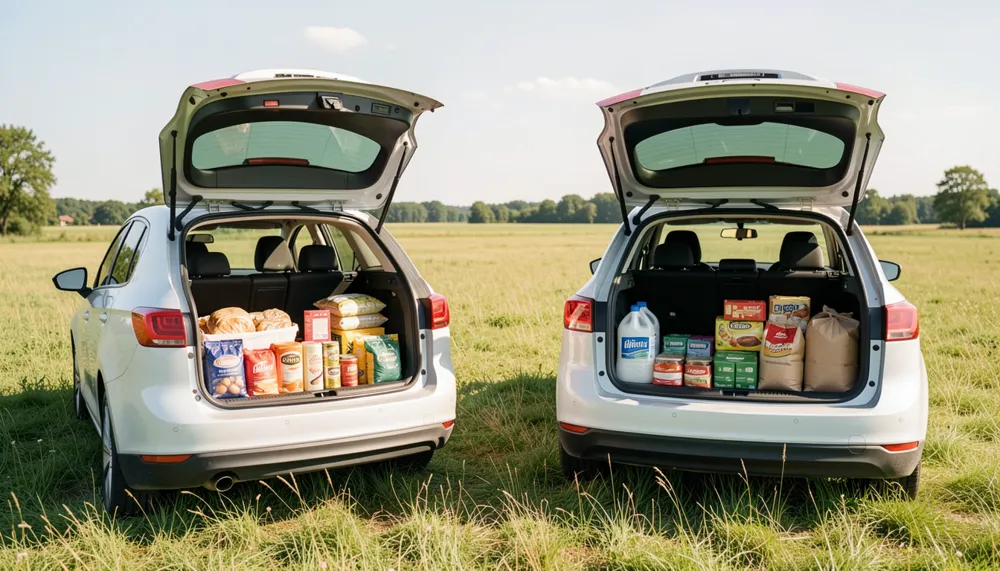
Car boot sales are a staple of community life in many regions, offering a unique blend of retail therapy, social interaction, and sustainable shopping. Unlike traditional markets or online platforms, these events rely heavily on personal interaction, immediate decision-making, and a specific set of unwritten rules. Whether you are looking to declutter your home or hunt for hidden treasures, mastering the art of the car boot sale requires a shift in mindset. It is about efficiency, respect for space, and understanding the rhythm of the day. This guide provides practical strategies for both sellers and buyers to navigate these events effectively, ensuring a productive and enjoyable experience for everyone involved.
Understanding the Local Context
Before diving into tactics, it is important to recognize that car boot sales are not a uniform global phenomenon. While the core concept remains similar—selling goods from the back of a vehicle—the execution varies significantly by region. In the United Kingdom, for example, these sales are often held in parking lots, school grounds, or community centers on weekends, attracting a mix of locals and tourists. In other parts of Europe, similar events might be integrated into larger weekly markets or flea markets with stricter municipal regulations. In North America, the equivalent might be a garage sale or a yard sale, which often operates on a slightly different schedule and layout.
Because customs differ by country, always check local guidelines before attending or setting up. Some locations require permits, while others operate on a first-come, first-served basis. Understanding the specific culture of your local area will help you anticipate the flow of traffic and the expectations of your neighbors. For instance, some communities prefer early starts to maximize daylight, while others might have stricter noise ordinances. Adapting to these local nuances is the first step toward becoming a regular.
Preparation for Sellers
Success as a seller begins long before you arrive at the venue. The most common mistake is arriving with too much inventory or poorly organized goods. A regular seller knows that space is premium real estate. You typically have only the space behind your car and perhaps a small area in front. Therefore, curating your items is essential. Select goods that are clean, functional, and visually appealing. Broken items or heavily stained clothing rarely sell well and take up valuable space that could be used for better stock.
Organization is key to a smooth transaction. Use boxes, crates, or folding tables to create distinct zones for different types of items. Group similar items together, such as books, kitchenware, or electronics. This helps buyers browse quickly and reduces the time spent searching through piles. Labeling prices clearly is also crucial. While some sellers prefer to negotiate on every item, having visible price tags speeds up the process and reduces friction. Use large, legible labels so buyers can see prices without having to pick up every item.
Consider the logistics of your setup. Bring enough change in small denominations, as many buyers will arrive with cash only. Having a portable scale for weighing items like books or metal goods can also be helpful. Ensure you have a way to protect your goods from weather conditions, such as a tarp or a canopy, especially if the forecast is uncertain. A well-prepared seller appears professional and trustworthy, which encourages buyers to spend more time and money at your stall.
Pricing Strategies That Work
Pricing at a car boot sale is different from pricing in a retail store or online marketplace. The goal is volume and turnover rather than maximizing profit per item. Buyers expect to find bargains, and they are often willing to haggle. To succeed, you need a pricing strategy that balances attractiveness with profitability. Start by researching similar items online to understand their general value, but remember that condition plays a huge role. A slightly worn item might be worth half as much as a new one.
Consider using tiered pricing. Group items into categories such as "Premium," "Standard," and "Bulk." Premium items are those in excellent condition or with higher demand, priced closer to their retail value. Standard items are good quality but may have minor wear, priced moderately. Bulk items are lower-value goods sold in lots, such as a bundle of clothes or a stack of books. This structure allows buyers to choose their level of investment and helps you clear inventory efficiently.
Be prepared to lower prices as the day progresses. Many buyers wait until the afternoon when sellers are more eager to pack up and leave. This is known as the "closing time" discount. If you have not sold enough by mid-afternoon, consider bundling remaining items for a fixed price. For example, offer all remaining books for a single price or all clothes for a set amount. This encourages bulk purchases and helps you clear your space quickly. However, avoid dropping prices too early, as this can devalue your goods and reduce your overall earnings.
Etiquette for Buyers
For buyers, the experience is about speed and discernment. Arriving early is often the best strategy, as the best items are usually gone within the first hour. However, arriving too early might mean dealing with sellers who are still setting up. Aim to arrive shortly after the official start time to catch the initial rush while ensuring stalls are ready. Bring your own bags or boxes to carry purchases, as many sellers do not provide packaging.
When browsing, be respectful of space. Car boot sales are often crowded, and aisles can be narrow. Move efficiently and avoid blocking pathways. If you are interested in an item, pick it up gently and examine it quickly. Do not rummage through piles for extended periods if others are waiting. If you decide not to buy, place the item back neatly rather than tossing it aside. This courtesy keeps the environment pleasant for everyone.
Negotiation is a standard part of the process, but it should be done respectfully. Start by offering a reasonable price based on the item's condition and your budget. Avoid lowballing excessively, as this can frustrate sellers and slow down the transaction. If a seller declines your offer, accept it gracefully or move on. Remember that sellers are often individuals clearing out personal belongings, not professional retailers. Their time and effort are valuable, and a polite interaction often leads to a better deal than aggressive haggling.
Maximizing Efficiency on the Day
Both sellers and buyers benefit from efficient time management. For sellers, the morning hours are typically the busiest. Use this time to engage with serious buyers and make sales. Keep your stall tidy throughout the day, as a cluttered appearance can deter customers. If you notice a particular item is not selling, consider moving it to a more visible location or adjusting its price. Flexibility is key to adapting to the flow of the day.
For buyers, planning your route can save time. If you are visiting multiple stalls, identify your priorities beforehand. Are you looking for specific items, or are you browsing for inspiration? If you have specific needs, focus on stalls that are likely to have them, such as those with books, tools, or clothing. If you are browsing, allow yourself time to wander and discover unexpected finds. However, keep an eye on the clock, as the best deals often disappear quickly.
Hydration and comfort are often overlooked but important factors. Car boot sales can be physically demanding, with lots of walking and standing. Wear comfortable shoes and bring water. If you are selling, ensure you have a chair or stool to rest on during quieter periods. This helps maintain energy levels and keeps you alert for interactions with buyers. Small comforts can make a significant difference in your overall experience and effectiveness.
Leveraging Digital Tools
While car boot sales are inherently offline experiences, digital tools can enhance your preparation and follow-up. Before attending, check local community boards or social media groups for information about upcoming sales. Some organizers post lists of participating sellers or highlight special themes. This information can help you decide which events to attend based on your interests.
During the event, use your smartphone to compare prices or check the condition of items if you are unsure. For example, if you are buying electronics, a quick search can help verify if the model is still supported or if parts are readily available. However, avoid being glued to your screen while browsing. Stay present and engaged with the sellers and other buyers. The social aspect is a key part of the charm of car boot sales.
After the event, consider sharing your experience online. Many communities have forums or social media pages dedicated to local markets. Posting about successful finds or helpful tips can build your reputation as a knowledgeable participant. Additionally, platforms like Bazarmap show such posts on a free live map, helping others discover nearby events and connect with the local community. This digital footprint can lead to more opportunities and insights for future sales.
Conclusion
Mastering the car boot sale experience requires a balance of preparation, respect, and adaptability. For sellers, success lies in curating quality goods, organizing efficiently, and pricing strategically to encourage quick turnover. For buyers, it involves arriving early, browsing respectfully, and negotiating fairly. By understanding the local context and adhering to basic etiquette, both parties can enjoy a productive and satisfying experience. These events are not just about transactions; they are about community connection and sustainable living. With the right approach, you can become a regular who contributes positively to the local market scene, making every visit worthwhile for everyone involved.
 Optimizing Table Layouts for Better Flow at Yard Sales
 Basic Care for Antique Clocks Before Selling Them