
Helping an Elderly Relative Declutter and Sell Their Home Items
November 3, 2026
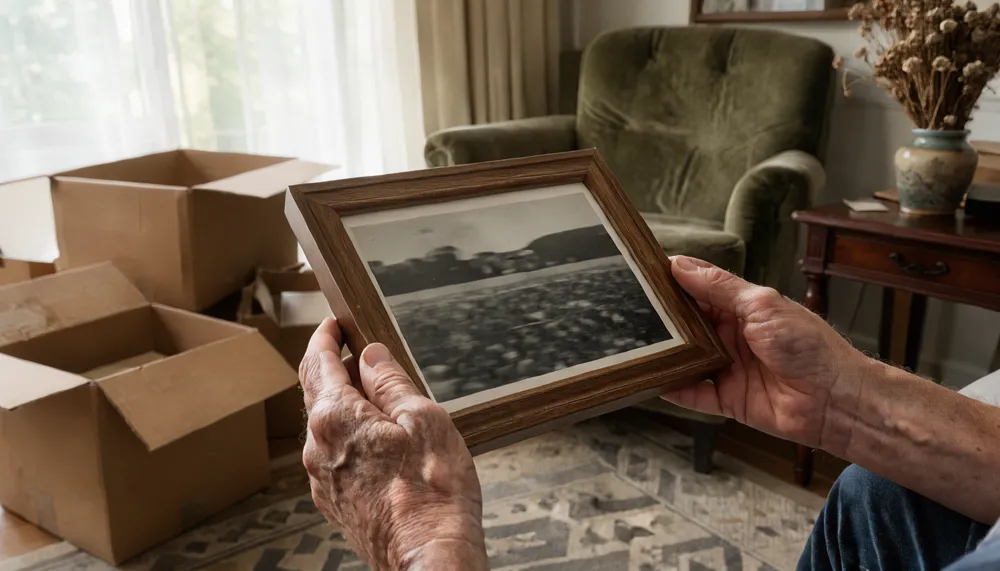
Helping an elderly relative clear out their home is often less about the objects themselves and more about navigating a complex mix of sentimentality, physical limitations, and family dynamics. Whether the goal is to downsize to a smaller apartment, move into assisted living, or simply tidy up a space that has become overwhelming, the process requires patience, respect, and a clear plan. This guide outlines practical steps to support your loved one through the decluttering and selling process, ensuring that the experience is as smooth and dignified as possible for everyone involved.
Start with a Respectful Conversation
Before touching a single item, it is essential to establish a shared understanding of the goals and boundaries. Many older adults have lived in their homes for decades, and every object may hold a story or a memory. Approaching the task with an attitude of "cleaning up" can feel intrusive or dismissive. Instead, frame the conversation around their comfort, safety, and future needs.
Ask open-ended questions about what they want to keep and what they are willing to let go of. Listen actively to their concerns. If they are hesitant, acknowledge their feelings rather than pushing for immediate decisions. It is often helpful to involve other family members if the relative trusts them, but ensure that the primary decision-maker remains the owner of the items. In some cultures, family elders hold significant authority, and bypassing them can cause lasting friction. Always prioritize their autonomy and consent throughout the process.
Create a Safe and Manageable Plan
Decluttering can be physically and emotionally exhausting. To prevent burnout, break the project into small, manageable sessions. Aim for short periods, such as one hour per day or a few hours per week, rather than attempting to clear an entire room in one go. This approach reduces fatigue and allows your relative to rest and reflect between sessions.
Safety is paramount. Ensure the workspace is well-lit and free of tripping hazards. If your relative has mobility issues, bring items to them rather than asking them to move around the house. Use sturdy boxes or bins for sorting, and avoid heavy lifting. If the volume of items is large, consider hiring professional movers or junk removal services for the heavy lifting, allowing your relative to focus on the decision-making process. Always check local regulations regarding waste disposal and recycling, as these vary significantly by country and municipality.
Use the Four-Box Method for Sorting
A structured sorting system helps maintain focus and prevents decision fatigue. The "Four-Box Method" is a widely used technique that categorizes items into four distinct groups. Label four boxes or areas clearly:
- Keep: Items that are used regularly, hold significant sentimental value, or are essential for daily life.
- Donate: Items in good condition that your relative no longer needs but could be useful to others. Check local charities for acceptance criteria.
- Sell: Items that have market value and are in good enough condition to be sold. This category requires more effort but can provide financial benefit.
- Discard: Broken, expired, or unusable items that should be recycled or thrown away.
When sorting, encourage your relative to handle each item. Ask simple questions: "Do you use this?" "Do you love this?" "Would you buy this again today?" If they are unsure, place the item in a "Maybe" box and revisit it after a few weeks. This delay often helps clarify whether an item is truly needed or just kept out of habit.
Assessing What Can Be Sold
Not everything is worth selling. The goal is to balance effort with return. Focus on items that are in good condition, functional, and have a clear market. Common items that sell well include furniture, vintage decor, collectibles, tools, and electronics. However, the demand for these items varies greatly by region and local trends.
Before listing items, clean them thoroughly. A clean item photographs better and sells faster. Take clear, well-lit photos from multiple angles, highlighting any flaws honestly to avoid disputes later. Write concise descriptions that include dimensions, age, brand (if known and relevant), and condition. If you are unsure of an item's value, research similar items on local online marketplaces or consult with a local antique dealer for high-value pieces. Remember that selling takes time; do not expect immediate sales for every item.
Choosing the Right Selling Channels
The best platform for selling depends on your location, the type of items, and your relative's comfort level with technology. In many countries, online marketplaces are the most efficient way to reach local buyers. Popular platforms vary by region, so ask neighbors or friends which sites are most active in your area. For those less comfortable with digital tools, local classifieds in newspapers or community bulletin boards may still be effective.
For those who prefer a visual overview of local activity, some platforms aggregate listings. For instance, Bazarmap shows such posts on a free live map, allowing you to see what is being sold nearby and gauge local interest. This can be particularly useful for bulky items like furniture, where local pickup is essential. If your relative prefers face-to-face interactions, consider hosting a small garage sale or yard sale. This can be a social event for the neighborhood and allows buyers to inspect items in person. Ensure you have help setting up, managing the sale, and handling cash or digital payments securely.
Navigating Cultural and Regional Differences
Customs regarding decluttering and selling vary significantly across the world. In some cultures, giving away items is preferred over selling them, as it is seen as an act of generosity and community support. In others, haggling is expected and part of the social interaction. Be mindful of these norms when interacting with potential buyers or donors.
Additionally, legal requirements for selling items can differ. In some countries, selling used goods may require specific permits or tax declarations, especially if done frequently or in large volumes. Check with local authorities or consumer protection agencies if you are unsure. When donating, verify that the charity is reputable and accepts the types of items you are offering. Some organizations have strict guidelines on what they can accept, particularly for furniture and electronics. Always get a receipt for donations if tax deductions are available in your country.
Making the Process Meaningful
Decluttering can be an emotional journey. To make it positive, celebrate small victories. Share stories about the items being kept or sold. If possible, involve grandchildren or younger family members in the process, turning it into a bonding experience. For items with deep sentimental value, consider taking photos before they leave the house. This preserves the memory without requiring the physical object.
Be prepared for emotional ups and downs. Your relative may change their mind about an item after it has been boxed. This is normal. Be flexible and patient. If the process becomes too stressful, take a break. The goal is to improve their quality of life, not to finish a checklist. Ultimately, the success of the project is measured by how comfortable and respected your relative feels throughout the experience.
Conclusion
Helping an elderly relative declutter and sell their home items is a significant undertaking that requires empathy, organization, and local knowledge. By starting with a respectful conversation, creating a safe plan, using structured sorting methods, and choosing appropriate selling channels, you can support your loved one in making this transition smoothly. Remember to adapt your approach to local customs and regulations, and prioritize your relative's well-being above all else. With patience and care, this process can lead to a more manageable living space and a renewed sense of peace for your family.
 A Guide to Second-Hand Shopping in Bristol
 A Guide to Second-Hand Shopping and Flea Markets in Taichung
 Planning a Walking Route for a Day of Flea Market Hopping
 A Guide to Flea Markets, Second-Hand Shops, and Charity Stores in Milan
 How to Volunteer at a Charity Shop: Sorting Donations and Customer Service
 A Guide to Flea Markets, Second-Hand Shops, and Charity Finds in Hanoi