
Planning a Walking Route for a Day of Flea Market Hopping
November 2, 2026
Introduction
Flea market hopping is more than just shopping; it is a form of urban exploration that rewards curiosity, patience, and physical stamina. Unlike visiting a single large mall, hopping between multiple open-air markets requires a different set of skills. You are not just looking for bargains; you are navigating a dynamic environment where stalls appear and disappear, crowds shift, and the best finds are often hidden in plain sight. To make the most of a day spent walking between markets, you need a strategy that balances efficiency with the joy of discovery. This guide will help you plan a walking route that maximizes your time, minimizes fatigue, and respects the local culture of the places you visit.
Research and Map Your Markets
Before you lace up your walking shoes, you need to know where the markets are and when they are open. Flea markets are rarely open seven days a week, and their operating hours can vary significantly by season and local tradition. Start by identifying the markets you wish to visit. Look for markets that are geographically close to one another to keep your walking distance manageable. A good rule of thumb is to plan for no more than three to four major markets in a single day if you intend to browse thoroughly.
Once you have your list, verify the opening and closing times. Many markets have specific "setup" and "teardown" windows. Arriving too early might mean you are watching vendors unpack their goods, while arriving too late could mean the best items are already sold or the stalls are being packed away. Use online resources to check recent visitor photos or community posts. For instance, Bazarmap shows such posts on a free live map, allowing you to see what is currently available and how busy a market tends to be at different times of the day. This visual context helps you decide which markets to prioritize based on your interests, whether it is vintage clothing, antique furniture, or handmade crafts.
Consider the Geography and Terrain
Walking between markets is the core of this activity, so you must respect the distance. While a map might show two markets as being close, the actual walking route may involve detours around parks, rivers, or restricted zones. Use a mapping application to plot the most direct pedestrian routes, but be prepared for the possibility of getting lost. Part of the charm of flea market hopping is stumbling upon unexpected neighborhoods or hidden courtyards.
Pay attention to the terrain. Cobblestone streets are common in many historic European cities and can be tough on feet if you are not wearing proper footwear. In contrast, markets in newer urban developments might be located on flat, paved plazas. If you are visiting a city with significant elevation changes, such as San Francisco or Lisbon, factor in the energy required for uphill climbs. Plan your route so that the most physically demanding segments occur when you are fresh, typically in the morning. Save the flatter, easier walks for the afternoon when your energy levels may be lower.
Timing Your Visits for Success
The timing of your visits can make or break your experience. Most flea markets have a rhythm. Early morning is often the best time for serious collectors and bargain hunters. Vendors are just setting up, and the best items are still on display. However, the atmosphere can be quiet, and some vendors may not be ready to engage in conversation or negotiation until they have fully unpacked.
Mid-morning to early afternoon is usually the peak time for foot traffic. This is when the markets are most vibrant, with street performers, food vendors, and a lively crowd. If you enjoy the social aspect of market hopping and want to see the full range of goods, this is the ideal window. However, be prepared for crowds and slower browsing speeds.
Late afternoon is often the best time for finding deals. As vendors prepare to pack up, they may be more willing to negotiate prices to avoid hauling heavy items back home. This is also a good time to ask for discounts on multiple items. Keep in mind that some markets close abruptly in the late afternoon, so check the closing time carefully. If you are visiting markets in different neighborhoods, try to align your schedule so that you arrive at each market during its optimal browsing window.
Packing Light and Smart
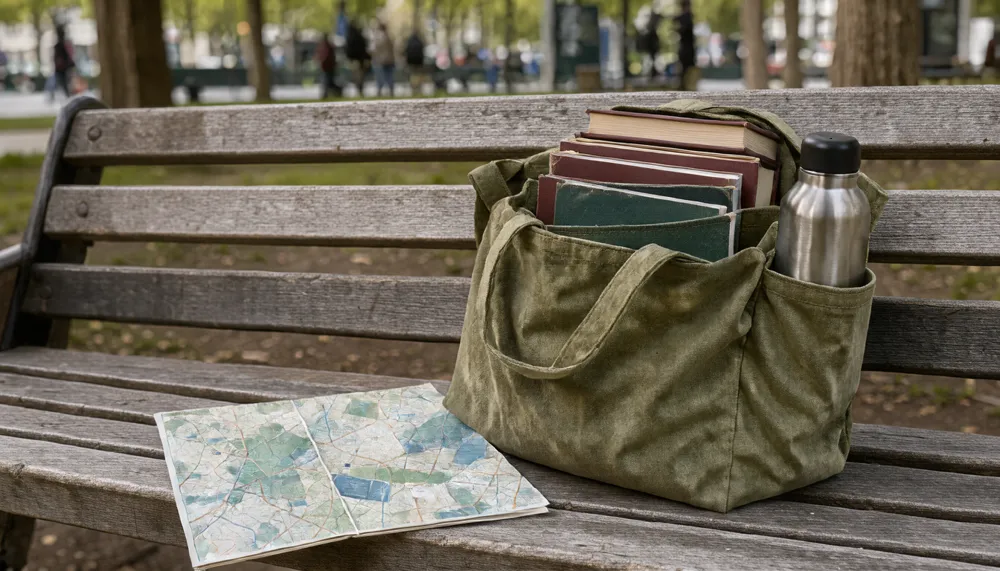
Since you will be walking all day, your bag is your most important tool. You need to carry your water, snacks, phone, wallet, and any purchases you make. A large, heavy backpack can become a burden by midday. Instead, opt for a lightweight, comfortable daypack with multiple compartments. This allows you to organize your essentials and keep your hands free for browsing.
Consider bringing a collapsible tote bag or a reusable shopping bag. Many flea markets sell items that are bulky or awkward to carry, such as books, ceramics, or clothing. Having an extra bag can save you from having to juggle multiple items in your hands. Additionally, bring a small amount of cash in small denominations. While many vendors now accept digital payments, cash is still king in many flea markets worldwide, especially for small purchases or when negotiating prices. Having small bills and coins makes transactions smoother and faster.
Dress for the weather and the activity. Wear comfortable, broken-in walking shoes. Avoid new shoes that might cause blisters. Dress in layers, as markets can be cold in the morning and hot in the afternoon. A hat and sunglasses are essential for outdoor markets, and a compact umbrella can be a lifesaver if the weather turns. Remember that you may be walking through areas with uneven ground or puddles, so choose footwear that can handle a bit of dirt and water.
Understanding Local Customs and Etiquette
Flea markets are cultural hubs, and the rules of engagement vary by country and even by neighborhood. In some cultures, haggling is expected and is part of the social interaction. In others, prices are fixed, and aggressive negotiation may be seen as rude. Research the local norms before you go. If you are unsure, start with a polite question about the price rather than an immediate offer. A smile and a friendly demeanor go a long way in building rapport with vendors.
Be mindful of photography. Some vendors are happy to have their stalls photographed, while others may prefer privacy, especially if they are selling personal items or if there are other customers browsing. Always ask for permission before taking close-up photos of goods or people. In some countries, there are specific laws regarding photography in public spaces, so be aware of local regulations.
Respect the space. Flea markets are often crowded, and vendors are working hard to manage their stalls. Do not block aisles with your bags or stop abruptly in the middle of a walkway to look at something. Be polite to other shoppers and vendors. If you pick up an item, handle it with care and put it back neatly if you do not buy it. In many cultures, touching goods is a sign of interest, but in others, it may be frowned upon unless you are clearly intending to buy. When in doubt, observe how locals interact with the vendors.
Budgeting and Payment Strategies
While flea markets are known for bargains, it is easy to overspend when you are caught up in the excitement of the hunt. Set a daily budget before you start your route. This helps you prioritize your purchases and avoid impulse buys that you might regret later. If you are looking for specific items, research their typical value beforehand so you can recognize a good deal when you see one.
Payment methods vary widely. In many European and Asian markets, cash is still the preferred method of payment. In North American markets, credit cards and digital wallets are more common. Always have a backup payment method. If you are traveling internationally, inform your bank of your travel plans to avoid having your card blocked. Consider using a prepaid travel card or a local currency exchange service to get better rates. Keep your money secure in a front pocket or a money belt, especially in crowded markets where pickpocketing can be a concern.
Conclusion
Planning a walking route for a day of flea market hopping is an exercise in preparation and flexibility. By researching your markets, considering the geography, timing your visits, packing smartly, and respecting local customs, you can turn a simple shopping trip into a memorable day of exploration. Remember that the best finds are often the ones you did not expect, so leave room in your schedule for detours and discoveries. With a little planning, you can enjoy the vibrant atmosphere of flea markets without the stress of poor logistics. Happy hunting.
 A Guide to Second-Hand Shopping and Flea Markets in Taichung
 A Guide to Flea Markets, Second-Hand Shops, and Charity Stores in Milan
 How to Volunteer at a Charity Shop: Sorting Donations and Customer Service
 A Guide to Flea Markets, Second-Hand Shops, and Charity Finds in Hanoi
 Keeping Kids Entertained and Safe at Your Garage Sale
 A Guide to Second-Hand Shopping and Flea Markets in Guangzhou