
Keeping Kids Entertained and Safe at Your Garage Sale
November 1, 2026
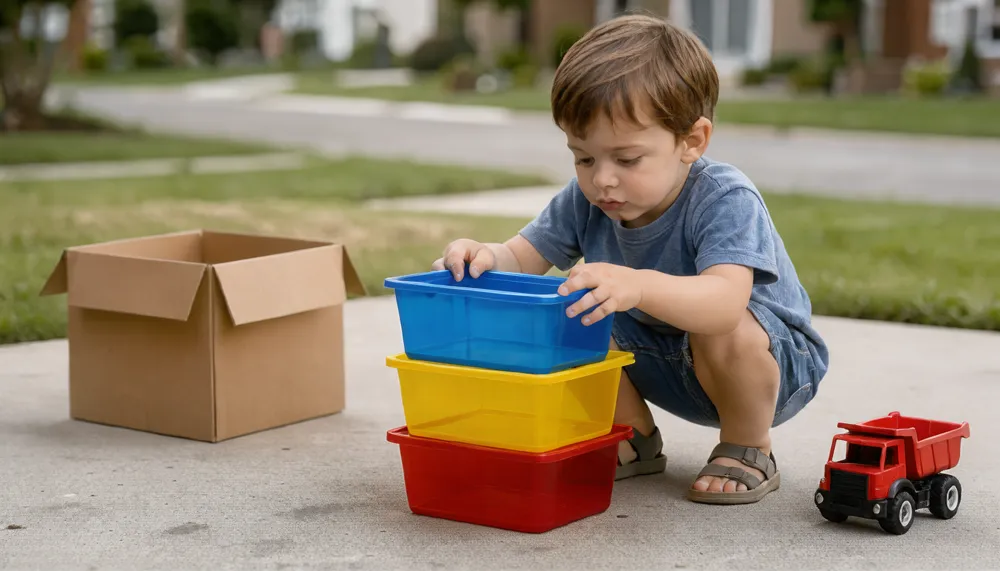
Hosting a garage sale is a wonderful way to declutter your home, earn a little extra cash, and connect with your neighbors. However, when you have young children involved, the event can quickly shift from a relaxing weekend activity to a chaotic challenge. The combination of strangers walking through your property, piles of potentially hazardous items, and the natural curiosity of children requires careful planning. The goal is to create an environment where your kids feel included and entertained, while you maintain a safe and organized space for buyers. This guide provides practical strategies to balance safety with fun, ensuring that both you and your children enjoy the experience.
Establishing a Safe Zone
The most critical step in hosting a sale with children is defining where they can and cannot go. Your yard or driveway is not a playground; it is a temporary retail space filled with items that may have sharp edges, heavy components, or small parts that pose choking hazards. You should physically mark out a "kids' zone" that is clearly separated from the main browsing areas. This can be done using cones, ropes, or even a simple line of chalk on the pavement.
Within this zone, remove any items that are not intended for sale or that could be dangerous if handled by a child. Keep the area free of trip hazards like extension cords or loose rugs. If you are selling furniture, ensure that drawers are secured or removed so children do not climb into them. If you have a fence, check that it is secure and that there are no gaps where a small child could slip through to the street. By creating a physical boundary, you give yourself peace of mind and give your children a clear understanding of where they are allowed to play.
Engaging Children with Age-Appropriate Activities
Children will inevitably get bored if they are expected to sit quietly for hours. To prevent them from wandering into restricted areas, provide them with dedicated entertainment that keeps them occupied within their safe zone. The key is to choose activities that are self-contained and do not require constant adult supervision, allowing you to focus on customers.
Consider setting up a small table with coloring books, crayons, or simple puzzles. For older children, you might provide a notebook and ask them to keep a "sales journal," recording what items are sold and for how much. This turns the event into a learning experience about money and value. Another popular idea is to set up a lemonade or cookie stand. This not only keeps them busy but also teaches them basic business skills. If you have multiple children, encourage them to play cooperative games like card games or board games that are easy to pause if a customer needs assistance.
Managing Safety Hazards in the Sale Area
Even with a designated play area, children are curious and may try to explore the merchandise. It is essential to audit your sale items for potential dangers before the event begins. This is particularly important if you are selling tools, electronics, or vintage items that may have loose wires or broken parts.
- Secure heavy items: Anchor bookshelves or dressers if they are being sold, or place them in areas where children are less likely to climb them.
- Remove small parts: If you are selling toys or games, ensure that small pieces are bagged and sealed so they do not become choking hazards.
- Check for sharp edges: Inspect metal items, glassware, or wooden furniture for splinters or sharp corners. If an item is damaged, consider marking it as "for parts only" or removing it from the sale.
- Cable management: Tape down any power cords used for lighting or electronics to prevent tripping.
Regularly walk through the sale area during the event to ensure that items have not been moved into the kids' zone or that no new hazards have been created by customers browsing through piles.
Adapting to Local Customs and Community Norms
Garage sale etiquette varies significantly depending on where you live. In some countries, it is common for neighbors to drop by unannounced throughout the day, while in others, appointments or specific time windows are preferred. Understanding these local norms can help you manage the flow of traffic and keep your children safe.
In many suburban areas in North America and Europe, it is customary to post signs in the neighborhood and perhaps list your sale on local community boards or online platforms. For instance, Bazarmap shows such posts on a free live map, helping neighbors find your event without needing to wander through every street. This digital visibility can help control the flow of visitors, as people are more likely to come at advertised times rather than randomly.
In other regions, community involvement is more direct. You might need to inform your immediate neighbors in person to avoid startling them with unexpected foot traffic. In densely populated urban areas, you may need to be more vigilant about keeping the sidewalk clear and ensuring that children do not block pedestrian paths. Always check local regulations regarding noise, signage, and the use of public spaces. Respecting these customs not only keeps you compliant but also fosters a positive relationship with your community, which is beneficial if you plan to host future sales.
Teaching Children About Money and Transactions
A garage sale is an excellent opportunity to teach children about the value of money and the basics of transactions. Depending on their age, you can involve them in the process in meaningful ways. For younger children, you might let them handle small change or help bag items for customers. For older children, you can assign them the role of "cashier" for a specific table, such as the toy or book section.
Provide them with a simple cash box and a list of prices. Teach them how to make change and how to count the money at the end of the day. This hands-on experience is often more engaging than passive play. However, ensure that the transactions are simple and that you are nearby to assist if needed. If you accept digital payments, you might let older children manage the tablet or phone used for the transaction, but keep the device secure and password-protected. This involvement gives them a sense of responsibility and pride in their contribution to the family effort.
Preparing for Weather and Environmental Factors
Outdoor events are subject to the elements, and children are more susceptible to heat, cold, or rain than adults. Plan for weather conditions to ensure their comfort and safety. If you are hosting a sale in a hot climate, ensure the kids' zone is shaded and provide plenty of water. Sunscreen and hats should be mandatory. In cooler climates, dress children in layers that can be easily added or removed.
Have a backup plan for rain. If the forecast is uncertain, keep a tarp or a tent ready to cover the kids' zone and their activities. If the weather turns severe, be prepared to move children indoors quickly. This might mean having a designated indoor space ready with their activities set up. Additionally, be mindful of insects. Use child-safe repellents if necessary, and check for wasps or bees around food items or sweet drinks. A comfortable child is a well-behaved child, and keeping them physically comfortable will help them stay within their designated area.
Conclusion
Hosting a garage sale with children requires a blend of preparation, supervision, and creativity. By establishing clear safety zones, providing engaging activities, and adapting to local customs, you can create a positive experience for everyone involved. Remember to regularly check the sale area for hazards and involve your children in the process in age-appropriate ways. With these strategies, you can declutter your home and connect with your community while keeping your kids safe and entertained. The goal is not perfection, but a balanced approach that prioritizes safety without stifling the fun of a community event.
 A Guide to Flea Markets, Second-Hand Shops, and Charity Finds in Hanoi
 A Guide to Second-Hand Shopping and Flea Markets in Guangzhou
 First Date at a Flea Market: Conversation Starters and Browsing Tips
 A Guide to Second-Hand Shopping and Night Markets in Kuala Lumpur
 Taking Your Dog to Flea Markets and Second-Hand Shops: Etiquette and Safety
 A Guide to Second-Hand Shopping in Istanbul