
How to Price Items at a Garage or Yard Sale
September 27, 2026

Introduction
Decluttering your home is a rewarding process, but turning those unwanted items into cash requires a strategic approach to pricing. Many sellers struggle with the balance between getting a fair return and ensuring items sell quickly. Pricing is not just about guessing a number; it is about understanding value, condition, and buyer psychology. Whether you are hosting a sale in a suburban driveway in North America, a courtyard in Europe, or a street-side setup in Asia, the core principles of valuation remain similar, though local customs regarding bargaining and presentation can vary significantly. This guide provides a structured method for assessing your inventory and setting prices that attract buyers while respecting your time and effort.
Assess the Condition Honestly
The foundation of any price is the condition of the item. Buyers are increasingly savvy and expect transparency. Before you assign a number, categorize each item based on its wear and tear. This categorization helps you justify your price and manage expectations.
- Like New: Items that have been used minimally or are still in their original packaging. These can often command a higher percentage of the original retail price.
- Good Condition: Items that show signs of use but are fully functional and clean. Minor scratches or fading are acceptable here.
- Fair Condition: Items that work but have visible defects, missing parts, or significant wear. These require lower pricing to compensate for the flaws.
- Broken or Parts Only: Items that do not function or are missing essential components. These should be priced very low, often as bulk lots.
Be honest about defects. If a shirt has a small stain or a lamp has a flickering bulb, note it on the tag. In many cultures, hiding flaws is seen as dishonest and can lead to disputes or returned items. Clear labeling builds trust and speeds up the transaction process.
Research Comparable Values
Determining the right price starts with research. You need to know what similar items are selling for in your area. This does not mean you must spend hours online, but a quick check can save you frustration later.
- Check Online Marketplaces: Look at local classifieds or second-hand apps to see what similar items are listed for. Note that listed prices are often higher than final sale prices, so aim slightly below the average listing.
- Visit Local Thrift Stores: If you have nearby charity shops or second-hand stores, browse their inventory. They often have standardized pricing tiers that reflect local market expectations.
- Consider Brand Recognition: Well-known brands often hold their value better than generic ones. However, do not overprice obscure brands unless they have a specific niche following.
Remember that the goal of a garage sale is volume and turnover, not maximizing profit on every single item. A price that is slightly lower than the online average will often sell faster, freeing up space and time for other tasks.
Use Simple Pricing Tiers
Complex pricing structures can confuse buyers and slow down the sale. Instead, use simple tiers that make decision-making easy. This approach is effective worldwide because it reduces cognitive load for shoppers who are browsing quickly.
- Tier 1: Premium Items ($5–$20): High-quality clothing, electronics, or furniture in good condition. These items require more attention and care.
- Tier 2: Mid-Range Items ($1–$5): Books, kitchenware, toys, and accessories. These are the bulk of your inventory and should be priced to move quickly.
- Tier 3: Bulk Items ($0.50–$1): Small items like cables, single socks, or miscellaneous decor. Encourage buyers to take multiple items for a small total.
Adjust these tiers based on your local currency and economic context. In regions where bargaining is common, start slightly higher to allow room for negotiation. In areas where fixed pricing is the norm, set your price at the final amount you expect to receive.
Bundle Items for Faster Sales
One of the most effective strategies for clearing inventory is bundling. Buyers often prefer to take several small items at once rather than picking them individually. Bundling increases the average transaction size and reduces the number of individual negotiations.
- Create Thematic Bundles: Group items by category, such as "Kitchen Essentials," "Kids' Toys," or "Office Supplies." This helps buyers find what they need quickly.
- Offer Volume Discounts: If a buyer takes three items from the mid-range tier, offer a slight discount on the total. This encourages larger purchases.
- Use Clear Signage: Write "Buy 3 for $5" or "All Books $1" on large, readable signs. Visual cues help buyers understand the deal without needing to ask.
In some cultures, bundling is less common, and buyers prefer to select items individually. Observe the behavior of early visitors to your sale and adjust your strategy accordingly. If people are picking items one by one, keep individual prices low. If they are grabbing handfuls, emphasize the bundle deals.
Account for Local Customs and Negotiation
Pricing strategies must adapt to local shopping habits. In some countries, bargaining is an expected part of the transaction, while in others, fixed prices are preferred.
- High-Bargain Cultures: In many parts of Asia, the Middle East, and Southern Europe, starting prices are often set higher to allow room for negotiation. Start at a price that gives you comfort, then be prepared to lower it by 10–20% during the conversation.
- Fixed-Price Cultures: In North America, Northern Europe, and Australia, buyers often expect fixed prices. Set your price at the final amount you want to receive. If you need to lower it, do so explicitly rather than waiting for negotiation.
- Cash vs. Digital Payments: Ensure you have small bills and coins ready. In many regions, digital payments are becoming common, but cash remains king for small transactions. Having change ready prevents delays and keeps the line moving.
Be respectful of local norms. If bargaining is expected, engage politely and explain your reasoning for the price. If fixed pricing is the norm, be clear and concise in your communication.
Display and Presentation Matter
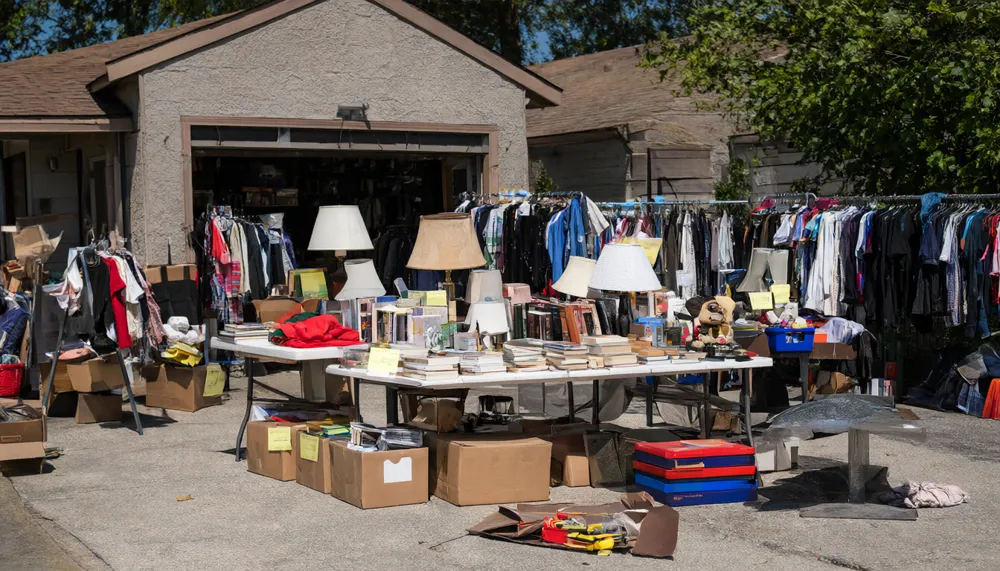
How you present your items influences how buyers perceive their value. A well-organized sale feels more professional and can justify slightly higher prices.
- Clean Everything: Dust off furniture, wash clothes, and polish metal items. Clean items look more valuable and are easier to sell.
- Use Good Lighting: Natural light is best. Arrange items near windows or outdoors where sunlight can highlight colors and details.
- Group Similar Items: Keep like items together. All shirts together, all books together. This makes browsing efficient and helps buyers see the variety available.
- Label Clearly: Use large, bold tags with prices. Small, handwritten notes can be hard to read and may lead to confusion.
A tidy setup suggests that the items have been cared for, which supports your pricing. Cluttered displays can make items look neglected, forcing you to lower prices to compensate.
Conclusion
Pricing items for a garage or yard sale is a balance of research, honesty, and strategic presentation. By assessing condition accurately, researching comparable values, and using simple pricing tiers, you can create a fair and attractive inventory. Remember to adapt to local customs regarding negotiation and payment methods to ensure a smooth experience for both you and your buyers. For those looking to organize their sales efficiently, platforms like Bazarmap show such posts on a free live map, helping connect sellers with nearby buyers. Ultimately, the goal is to clear space while receiving fair value for your belongings. With preparation and clear communication, you can achieve a successful sale that benefits everyone involved.
 Planning a Second-Hand Shopping Day in London
 How to run a successful garage sale: a practical checklist