
How to run a successful garage sale: a practical checklist
September 27, 2026
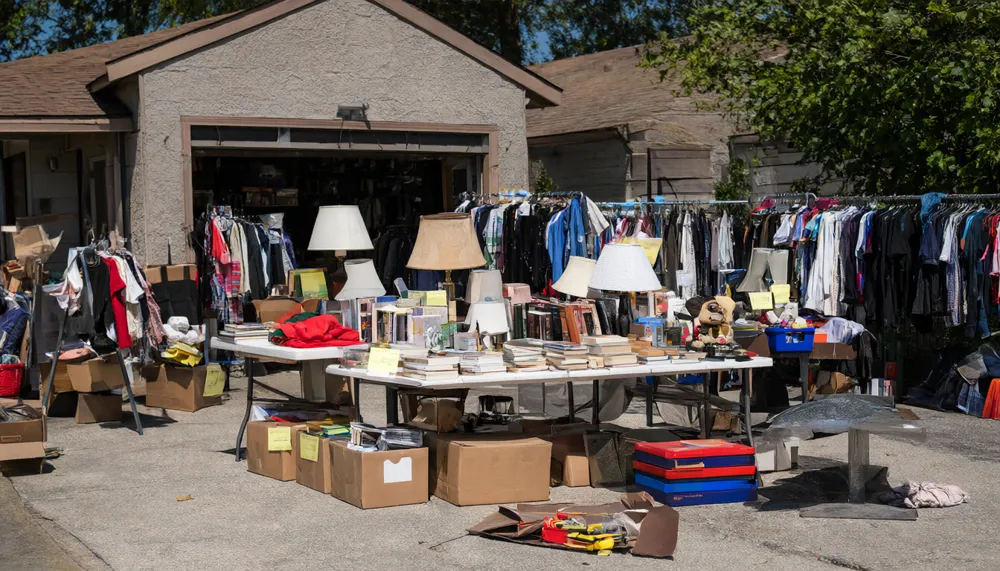
Running a garage sale is one of the most effective ways to declutter your home, earn extra cash, and give items a second life. While the concept is universal, the execution can vary significantly depending on where you live. In some regions, sales are strictly weekend events, while in others, they might happen on weekday evenings or even during specific seasonal festivals. Regardless of your location, the core principles of preparation, organization, and clear communication remain the same. This guide provides a comprehensive checklist to help you navigate the process smoothly, ensuring that both you and your buyers have a positive experience.
Planning and Timing Your Sale
The foundation of a successful sale is good timing. You want to catch buyers when they are most likely to be out shopping and have disposable income. Generally, mornings are best because buyers have fresh energy and time to browse. However, you must consider local customs. In many suburban areas, Saturday mornings are the gold standard. In denser urban environments, Sunday mornings might work better as people have finished their weekly chores. Check with your neighbors to see if there is a coordinated neighborhood sale day, as this can significantly increase foot traffic.
Start planning at least two weeks in advance. This gives you ample time to sort through your belongings without rushing. Create a simple calendar entry with the date and time of your sale. If you live in an apartment complex or a managed community, check if you need permission to use common areas or if there are noise restrictions regarding early morning setup. Communicating your plans early helps neighbors prepare and ensures you do not clash with other local events.
- Choose a morning slot, ideally between 8:00 AM and noon.
- Check local community boards or apps for conflicting events.
- Confirm any building or HOA rules regarding outdoor sales.
- Notify immediate neighbors so they can plan their own schedules.
Decluttering and Sorting Items
The goal of a garage sale is to sell items you no longer need, not to move your entire inventory to the driveway. Start by sorting items into three piles: keep, donate, and sell. Be honest with yourself about what you actually use. If you haven’t touched an item in a year, it is likely a candidate for selling or donating. This process helps you avoid bringing back unsold items that clutter your space again.
Focus on categories that tend to sell well, such as kitchenware, books, children’s clothing, and small furniture. Large furniture can be tricky because buyers need transportation, but it often moves quickly if priced correctly. Avoid selling items that are broken, heavily stained, or outdated technology unless they are in bulk lots. Quality over quantity is key. A well-curated selection looks more appealing than a chaotic pile of random objects. Ensure all items are clean and functional before listing them.
- Sort items by category to make browsing easier for buyers.
- Wash clothes and wipe down furniture to improve appearance.
- Test electronics to ensure they work before selling.
- Group similar items together to create visual cohesion.
Pricing Strategy and Labeling
Pricing is often the most stressful part of the process, but it does not need to be complicated. The goal is to move items quickly, not to maximize profit on every single piece. Most buyers expect significant discounts compared to retail prices. A good rule of thumb is to price items at 10–20% of their original retail value. For high-demand items like designer bags or recent electronics, you might aim slightly higher, but always remain realistic.
Use bright, easy-to-read labels. Small stickers or tags attached to items help buyers make quick decisions without having to ask you for prices constantly. This reduces friction and speeds up the checkout process. Consider using color-coded stickers for different price tiers (e.g., green for under $5, blue for $5–$10) to help buyers scan the inventory quickly. If you are unsure about a price, look up similar used items online to gauge the market rate, but remember that garage sales are about convenience and immediacy.
- Price items low to encourage quick sales.
- Use clear, legible tags for every item.
- Consider bundling small items (like mugs or socks) into lots.
- Have a small cash box ready with change for common bills.
Marketing and Communication
Even in the digital age, simple signage works wonders. Create large, bold signs with the date, time, and location of your sale. Use arrows to direct traffic from main roads to your driveway. If you live in an area with strict signage laws, check if you need to remove signs immediately after the sale ends. Place signs at intersections and near community hubs where foot traffic is high.
Digital promotion is also effective. Post your sale details on local community groups, neighborhood apps, or social media platforms. Include clear photos of your best items and specify the address and time. Mention if you accept cash only or if you have a specific payment method preference. Some regions prefer cash transactions for simplicity, while others are comfortable with digital payments. Be clear about this to avoid confusion at the checkout table. If you are part of a neighborhood group, coordinate with neighbors to create a "sale zone" that draws people to the area collectively.
- Create large, high-contrast signs with clear directions.
- Post details on local community forums or social media.
- Specify payment methods clearly in your announcements.
- Coordinate with neighbors for a collective neighborhood sale.
Setting Up the Space
Organization is critical for a smooth sale. Use tables, racks, and bins to display items neatly. Avoid dumping everything on the ground, as this makes browsing difficult and can lead to damaged goods. Group items by category: books together, clothes together, kitchenware together. This helps buyers find what they are looking for quickly. If you have clothing, use hangers or fold them neatly on tables. For smaller items, use bins or baskets to keep them contained.
Ensure your setup is weather-appropriate. If rain is forecast, have tarps ready to cover your items. If it is sunny, consider shade for your goods to prevent fading or heat damage. Keep walkways clear so buyers can move around comfortably. A cluttered space feels overwhelming and discourages browsing. Place high-value or fragile items at eye level or on sturdy tables where they are less likely to be knocked over. Have a dedicated checkout area with your cash box and change ready.
- Use tables and racks to elevate items off the ground.
- Group items by category for easy browsing.
- Keep walkways clear and unobstructed.
- Protect items from weather with tarps or shade.
Managing the Sale Day
On the day of the sale, arrive early to set up. Have your change ready and your items organized. Be friendly and approachable, but give buyers space to browse. Answer questions clearly and honestly about the condition of items. If a buyer asks for a discount, be prepared to negotiate politely. Many buyers expect some haggling, so having a mental floor price for each item helps you stay consistent.
Keep the energy high throughout the morning. As the sale progresses, you may want to lower prices slightly to clear remaining inventory. This is common practice and helps you finish the day with fewer items to pack away. If you have unsold items, decide beforehand where they will go. Do not leave them in your driveway after the sale ends. Have bags or boxes ready to pack up quickly. If you have a large volume of leftovers, consider donating them to a local charity or shelter immediately after the sale.
- Arrive early to set up and organize your space.
- Be friendly and helpful to buyers.
- Negotiate politely and stick to your minimum prices.
- Pack up efficiently at the end of the sale.
Conclusion
Running a successful garage sale requires preparation, clear communication, and efficient organization. By planning ahead, pricing items realistically, and setting up a tidy display, you can attract buyers and sell your items quickly. Remember that customs vary by region, so adapt your timing and marketing strategies to fit your local community norms. The goal is not just to sell items, but to create a pleasant experience for everyone involved. With this checklist, you can streamline the process and enjoy the benefits of a decluttered home and extra cash. Happy selling.
 Planning a Second-Hand Shopping Day in London
 How to Price Items at a Garage or Yard Sale