
Selling at a flea market for the first time: what to bring and how to sell more
September 28, 2026
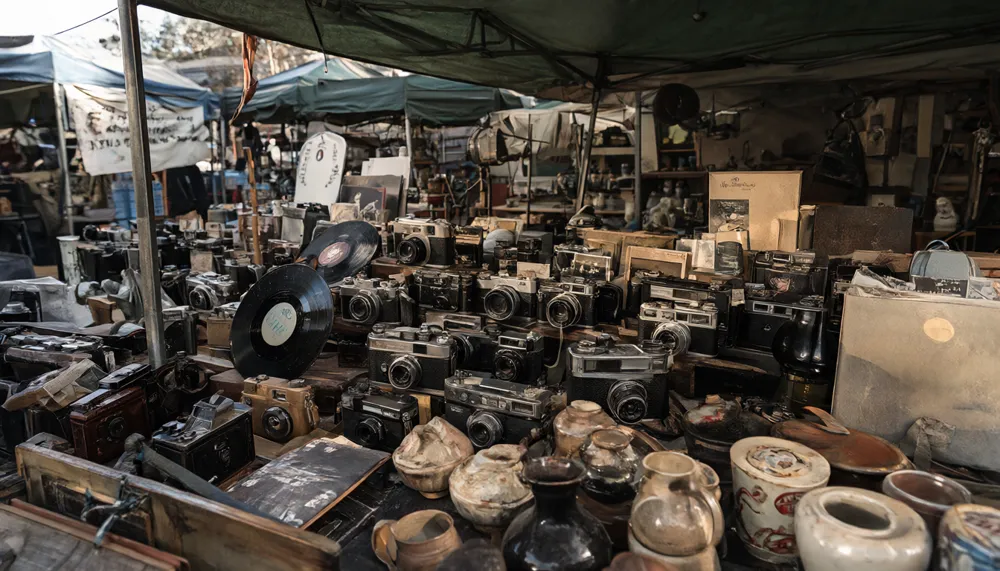
Stepping into the world of flea market selling can be both exciting and daunting. Unlike online marketplaces, flea markets offer a tactile, immediate connection with buyers, but they require a different set of skills and preparations. Whether you are decluttering your home or launching a small side business, the first few stalls can feel chaotic. This guide aims to simplify the process by focusing on practical essentials and effective selling techniques. While the core principles of good presentation and friendly interaction are universal, remember that customs vary significantly by country. In some regions, haggling is expected and encouraged, while in others, fixed pricing is the norm. Understanding your local context is just as important as packing your gear.
Essential Gear for Your Stall
Before you even think about what items to sell, you need to ensure your physical setup is functional and comfortable. A flea market stall is a temporary shop, and it needs to look intentional rather than cluttered. The goal is to create a space where customers feel welcome to browse without feeling overwhelmed.
Start with the basics of structure and visibility. You will need a sturdy table or two, depending on the size of your inventory. If the market does not provide tables, bring your own folding ones. Cover them with a solid-colored cloth, such as navy blue, beige, or white. Avoid busy patterns, as they can distract from the items themselves. A plain background makes your products pop and gives your stall a professional appearance.
Lighting is often overlooked but is critical for visibility. Many flea markets are held outdoors or in large halls with uneven lighting. Bring a few battery-powered LED lights or clip-on lamps to illuminate your best items. This is especially helpful if you are selling jewelry, ceramics, or textiles where texture and color matter. Additionally, pack a small toolkit with scissors, tape, and zip ties. You will inevitably need to adjust a sign, fix a wobbly leg, or secure a display.
Comfort for yourself is equally important. You will be standing for hours, so wear comfortable shoes and bring a small stool if possible. Hydration is key, so pack water bottles and simple snacks. Having a portable charger for your phone is also wise, as you may need to check maps, communicate with buyers, or manage digital payments.
Curating and Preparing Your Inventory
The success of your stall depends heavily on what you choose to sell. For your first time, it is better to curate a focused selection rather than dumping everything you own onto a table. Buyers are more likely to engage with a stall that has a clear identity, even if it is simply "vintage kitchenware" or "handmade jewelry."
Inspect every item before packing. Clean dishes, polish silver, and steam clothes. Items that look cared for command higher attention and often better prices. Remove any unnecessary packaging, but keep original boxes if they add value to collectibles. Group similar items together to create visual cohesion. For example, stack plates by size or hang shirts by color gradient. This organization helps buyers find what they are looking for quickly and makes the stall look tidy.
Consider the season and location when selecting inventory. In warmer months, lightweight fabrics and outdoor gear may sell well, while colder seasons might favor woolens and warm accessories. If you are near a tourist area, compact, easy-to-carry items often perform better than bulky furniture. Always check the weather forecast and adjust your inventory accordingly. If rain is expected, bring waterproof covers for your goods and ensure your setup can be protected quickly.
Pricing Strategies and Display Techniques
Pricing is often the most stressful part of selling for beginners. The key is to be clear, fair, and consistent. Start by researching similar items online or at other stalls to gauge reasonable expectations. Price your items slightly higher than your target selling price to allow room for negotiation, but keep the margin realistic. Avoid overly complex pricing structures; simple whole numbers are easier for buyers to process and remember.
Use clear signage to communicate prices. Small, handwritten tags or a simple price list at the front of the table can save you from repeating the same information hundreds of times. If you are selling in a region where bargaining is common, such as many parts of Asia or the Middle East, be prepared to negotiate politely. In contrast, in countries like Germany or Japan, fixed pricing is often preferred, and excessive haggling may be seen as rude. Observe how other sellers interact with customers to gauge the local norm.
Display height matters. Use risers, boxes, or shelves to create layers. Flat displays can look monotonous, while layered displays draw the eye upward and make the stall feel fuller. Place your highest-value or most attractive items at eye level. Keep the front of the stall open and inviting; avoid blocking the view with large boxes or stacks of inventory. The goal is to invite people in, not to overwhelm them with clutter.
Engaging with Customers Effectively
Interaction is the heart of flea market selling. Unlike online shopping, buyers want to touch, try on, and ask questions about items. Your role is to be helpful, knowledgeable, and approachable. Smile and make eye contact when someone approaches your stall. A simple greeting like "Hello" or "Good morning" is sufficient; avoid aggressive sales pitches.
Be prepared to answer common questions about the origin, condition, and history of your items. If you do not know the exact history of a vintage piece, be honest about it. Share what you do know, such as the era or style, and let the buyer appreciate the item for its aesthetic or utility. Authenticity builds trust. If a buyer asks for a discount, respond politely. If the price is firm, explain why briefly, such as noting the rarity or condition of the item.
Keep your interactions concise. Buyers at flea markets are often browsing quickly. If someone seems interested, offer to help them find something specific or answer questions. If they are just looking, give them space. Over-talking can drive buyers away. Listen more than you speak, and tailor your recommendations to what the buyer seems interested in. For example, if they linger on ceramic mugs, mention that they are dishwasher safe or handmade.
Managing Logistics and Payments
Smooth logistics prevent stress and lost sales. Arrive early to set up your stall before the crowds arrive. This gives you time to arrange your items neatly and adjust lighting. Have a clear plan for packing up at the end of the day. Use sturdy boxes or bins to organize your inventory so you can pack quickly without damaging goods.
Payment methods vary widely by country. In many European countries, cash is still king, though card payments are becoming more common. In North America, digital payments via apps are widespread. Always have small bills and coins ready for change. If you accept digital payments, ensure your device is charged and your internet connection is stable. Consider having a backup method, such as a secondary phone or a printed QR code, in case of technical issues.
Keep your cash box secure and visible. Use a clear jar or a small lockbox to prevent theft and make counting easy. Track your sales throughout the day if possible, so you know which items are moving and which are not. This information helps you adjust your strategy for future markets. For instance, if jewelry sells quickly but books do not, you might bring more jewelry next time.
Adapting to Local Customs and Etiquette
While the mechanics of selling are similar worldwide, cultural nuances can significantly impact your experience. In some cultures, direct eye contact and firm handshakes are expected, while in others, a softer approach is preferred. Research the specific etiquette of the market location before you go. For example, in some Mediterranean markets, chatting about personal topics is part of the buying process, while in Northern European markets, efficiency and brevity are valued.
Be mindful of noise levels and space usage. In crowded markets, keep your stall compact and avoid encroaching on neighboring stalls. Respect quiet hours if the market is near residential areas. If you are selling food or handmade goods, ensure you comply with local health and safety regulations, which can vary strictly by municipality. Having a small sign indicating your origin or story can add value, as buyers often appreciate knowing the background of handmade items.
Finally, be patient. Sales may be slow at times, and that is normal. Use quiet moments to tidy your display, restock items, or observe what other successful sellers are doing. Building a reputation takes time, and consistency is key. Show up regularly, keep your stall clean, and maintain friendly interactions. Over time, regular buyers will recognize your stall and return for new items.
Conclusion
Selling at a flea market for the first time is a rewarding experience that combines organization, communication, and cultural awareness. By focusing on a clean setup, curated inventory, and respectful customer interactions, you can create a positive experience for both yourself and your buyers. Remember that each market has its own rhythm and customs, so stay flexible and observant. With preparation and patience, you can turn your first stall into a successful venture. For those looking to discover upcoming markets in their area, platforms like Bazarmap show such posts on a free live map, helping you find local opportunities easily. Start small, learn from each experience, and enjoy the unique charm of face-to-face commerce.
 A Guide to Flea Markets, Second-Hand Shops, and Charity Stores in Hong Kong
 How to Give Away Houseplants Responsibly to New Owners
 A Guide to Flea Markets and Second-Hand Shopping in Lugulu, Kenya
 What to Check When Buying Second-Hand Kitchenware
 A Guide to Second-Hand Shopping in Barcelona
 Optimizing Table Layouts for Better Flow at Yard Sales