
A Guide to Second-Hand Shopping and Flea Markets in Siaya, Kenya
November 8, 2026
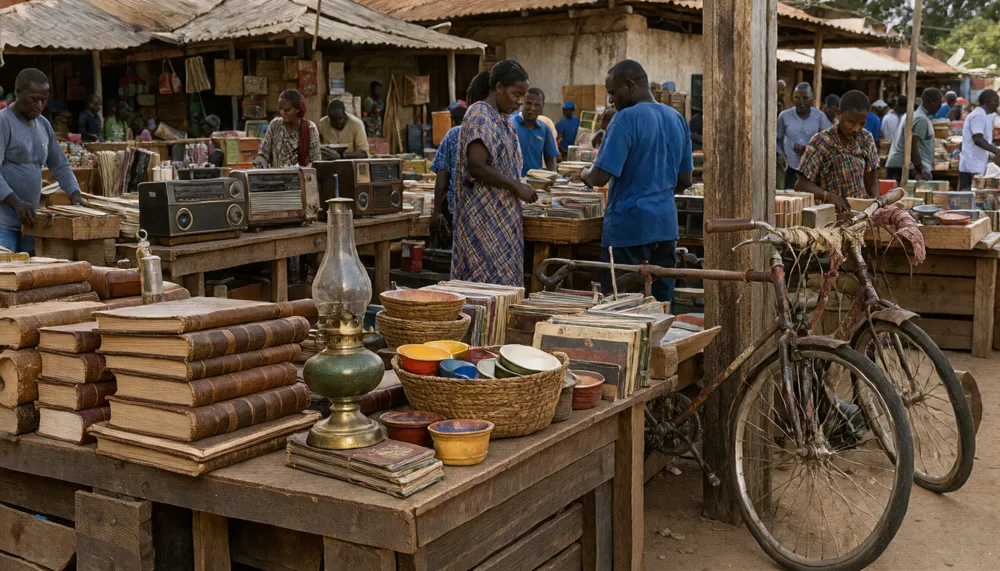
Introduction
Siaya County offers a vibrant landscape for those interested in second-hand goods, from clothing and household items to electronics and furniture. While the region is known for its agricultural produce, its markets also serve as hubs for trading used goods. Planning a successful shopping day requires understanding the layout of local markets, their operating hours, and the general etiquette of bargaining. This guide focuses on navigating the specific market locations available in the area, helping you organize your visits efficiently. Whether you are looking for a bargain or planning to sell your own items, knowing where to go and when to visit is essential for a smooth experience.
Understanding Market Types and Locations
The markets in Siaya vary significantly in size, focus, and operating schedules. Some are large, all-day centers that function as general trading hubs, while others are smaller, community-focused spots that may operate for only a few hours. It is helpful to group these locations by their typical duration and intensity to plan your route effectively.
Large, all-day markets are ideal for extensive browsing. These locations often have a higher volume of vendors and a wider variety of goods. Key examples include BarOlengo, which operates from Monday to Sunday between 07:00 and 23:00, offering a very long window for shopping. Similarly, Ombuede Market is open from Monday to Sunday, 07:00 to 20:00. Other significant centers with extended hours include Hakati Center (07:00 to 21:30), Budevu (08:00 to 22:00), and Magombe Center (06:00 to 20:00). These locations are suitable for full-day excursions where you can compare prices across multiple stalls.
Mid-sized markets typically operate for around eight to twelve hours. Mulokoba Market runs from 05:00 to 17:00, catering to early risers. Port main Market also operates from 08:00 to 17:00. Several markets list their hours as "12hrs" or "12 hours," such as Lwahanga Market, Soko mjinga market, Buyuku Market, Manjomi, Stage Nyoka Market, Budalangi Market, Busagwa City Mall, Junction Center, Bulwani market, Narera Market, Mudembi, Mubwayo Market Centre, Mundere market, Maumau, Lugale, and Mavoko. For these, it is advisable to arrive in the morning to ensure the best selection before stock diminishes.
Smaller or shorter-duration markets may operate for three to eight hours. Nayera center and Bulemia market are listed with 4-hour windows, while Nadeyo, Makhoma market, Solo tama, and Munani operate for 3 hours. Choi Market, Mundika khukunda village market, Mudimbya, Khabanga Center, Khuluhindu, Nambengele market, Sirimba, Bubango Market, and Madiaba are noted for 8-hour or 9-hour operations. Namalo market has a specific evening window from 16:00 to 22:00. Bubimbi market is noted for "Afternoon hours," suggesting a later start. Awendo is distinct, operating only on Wednesdays and Sundays.
Planning Your Shopping Day
To make the most of your time, consider clustering your visits based on the hours provided. Start your day early at markets like Mulokoba Market (05:00) or BarOlengo (07:00) to catch fresh stock and avoid the midday heat. If you are interested in evening bargains, Namalo market (16:00–22:00) and Budevu (until 22:00) are excellent options for after-work shopping.
For those with limited time, focus on the markets with clear, long operating windows such as Ombuede Market or Hakati Center. If you are visiting on a Wednesday or Sunday, Awendo is a specific destination to note. For shorter trips, target the 3-hour or 4-hour markets like Nadeyo or Nayera center, but ensure you arrive early in their specific operating window to maximize your chances of finding what you need.
What to Expect at the Stalls
Second-hand goods in these markets are typically sold by individual vendors or small groups. You will find a mix of new and used items, including clothing, shoes, kitchenware, and electronics. The quality can vary significantly from stall to stall, so inspecting items carefully is crucial. Check for wear and tear, test electronics if possible, and ask questions about the history of the item if the vendor is willing to share.
Bargaining is a common practice. Start with a polite inquiry about the price and then negotiate respectfully. It is helpful to have a sense of the general market value of the item you are seeking. Cash is often the preferred method of payment, so carrying small denominations can make transactions smoother.
Tips for Selling Your Own Items
If you wish to sell your own second-hand goods, you can participate in the local market economy. While specific local rules may vary, general best practices apply. First, ensure your items are clean and in good condition. Presenting goods neatly can attract more buyers.
You can set up a temporary stall in the designated market areas during their operating hours. For example, if you choose to sell at BarOlengo, be prepared for a long day given its 07:00–23:00 schedule. If you prefer a shorter commitment, look for markets with 3-hour or 4-hour windows like Nadeyo or Bulemia market, but confirm the exact start and end times locally, as these can shift.
When selling, be transparent about the condition of your items. If you are selling electronics, test them in front of the buyer if possible. For clothing, wash and iron items to make them more appealing. Pricing should be competitive; observe what other vendors are charging for similar items. Being friendly and approachable can also help build trust with potential buyers.
Navigating Logistics and Safety
Transportation between markets in Siaya may require local matatus or boda-bodas. Plan your route in advance to minimize travel time between locations. Keep your belongings secure, especially in crowded markets like Busagwa City Mall or Junction Center. It is advisable to carry only the cash you need for the day and keep it in a secure pocket or bag.
Weather can affect your shopping experience. Markets like Mulokoba Market open very early, which can be cooler. Midday visits to open-air markets may be hot, so bring water and sun protection. If you are visiting evening markets like Namalo market, ensure you have a reliable way to get home after dark.
Conclusion
Shopping for second-hand goods in Siaya is a rewarding experience that supports local commerce and offers sustainable choices. By utilizing the specific market locations and their listed hours, you can plan an efficient and enjoyable day. Whether you are browsing the extensive stalls of BarOlengo or the focused offerings of Awendo on specific days, preparation is key. Remember to inspect items carefully, bargain respectfully, and if you are selling, present your goods well. With these tips and the provided market list, you are well-equipped to navigate the second-hand market scene in Siaya.
 Finding Safe Vintage Toys for Kids at Flea Markets and Antique Shops
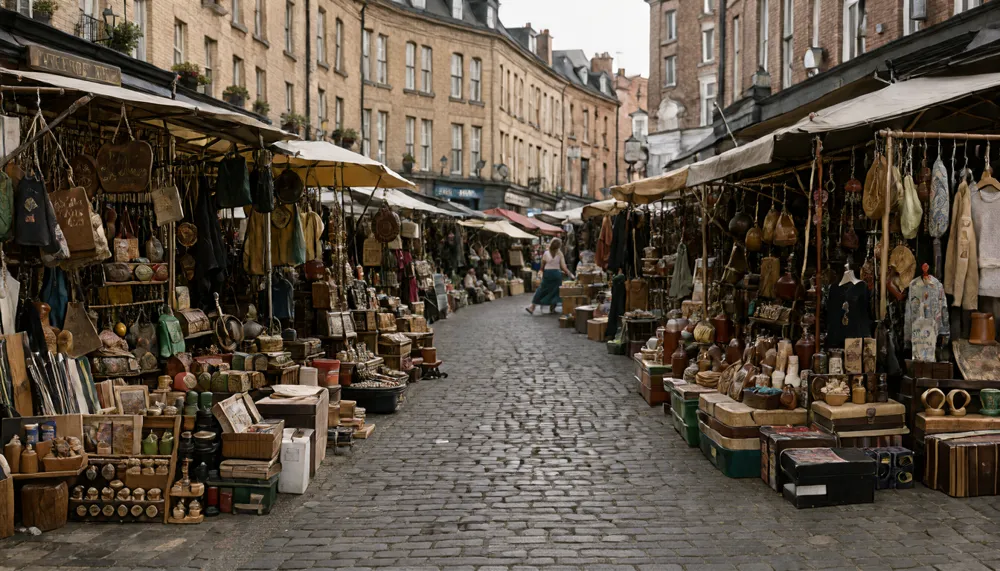 A Guide to Second-Hand Shopping in Dublin
 Decluttering after a breakup: selling shared items and moving on
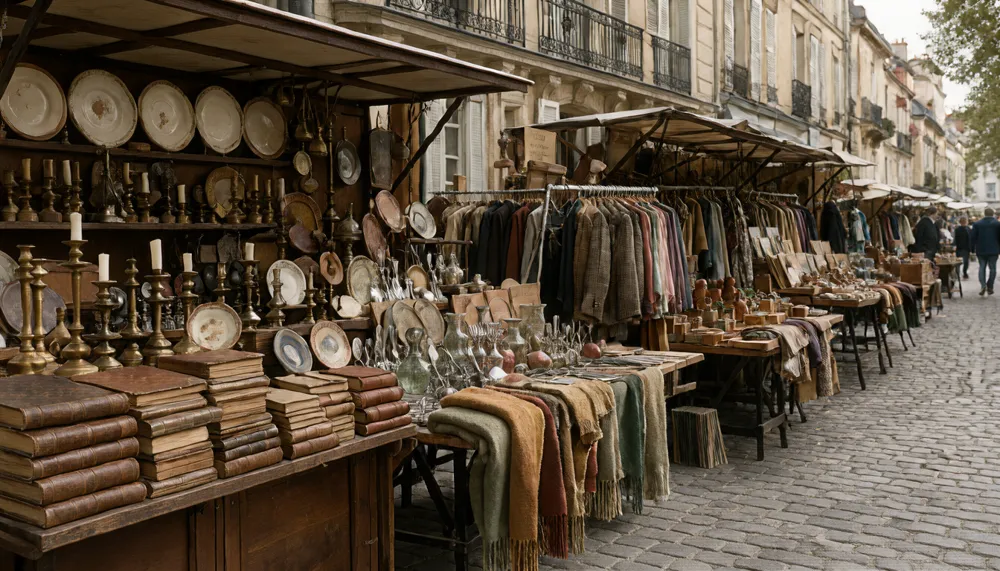 A Guide to Second-Hand Shopping in Lyon
 Making Friends at Car Boot Sales: Community Tips for Regulars
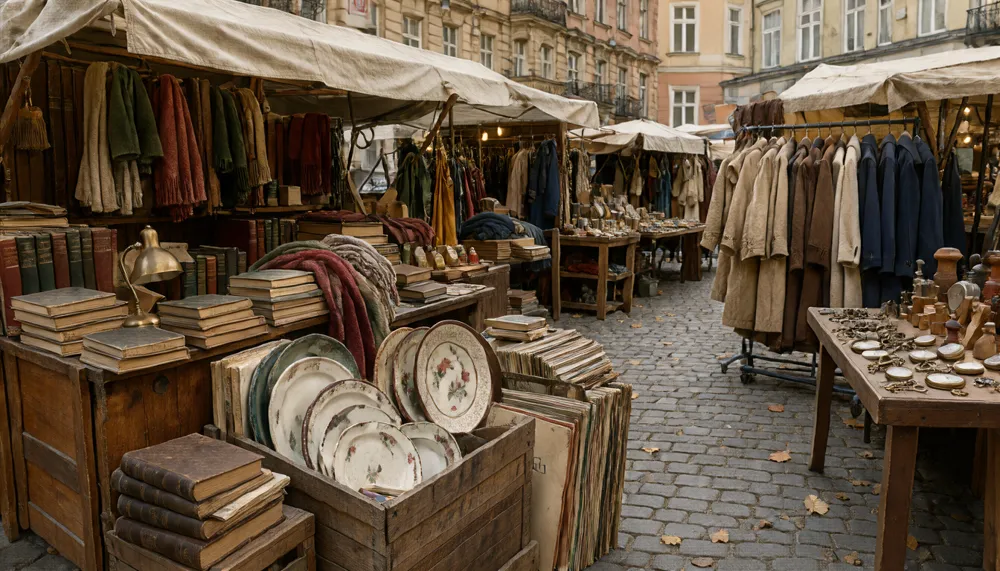 A Guide to Second-Hand Shopping in Warsaw