
Making Friends at Car Boot Sales: Community Tips for Regulars
November 6, 2026
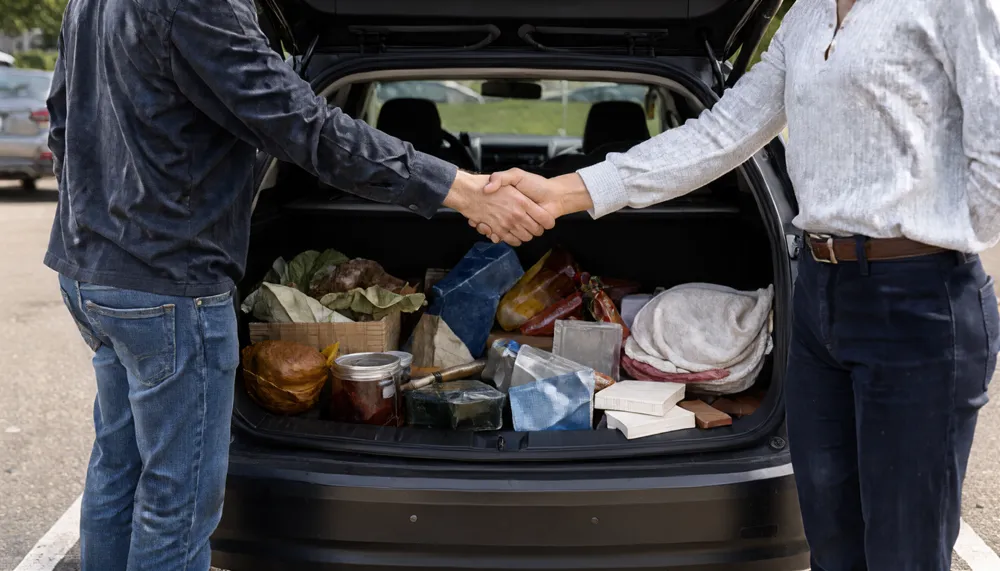
Car boot sales are more than just places to hunt for bargains; they are vibrant community hubs where neighbors meet, stories are shared, and friendships are forged. For many regulars, the social aspect is just as important as the finds themselves. However, navigating the social dynamics of a bustling market can be tricky. You want to be friendly and approachable without being intrusive, and you want to build rapport without seeming like you are only interested in a quick sale. This guide offers practical advice for turning casual market visits into lasting community connections, helping you become a welcomed face among the stalls and fellow shoppers.
The Art of the Early Arrival
Timing is everything when it comes to building relationships at a car boot sale. The most meaningful conversations often happen before the crowds arrive. If you are a seller, setting up your stall early gives you time to chat with neighboring sellers. These are the people you will see every week or month, and getting to know them creates a sense of camaraderie. Ask them how their setup is going, offer to help move a heavy table, or simply share a thermos of coffee if you have brought extra. This small gesture establishes you as a cooperative and friendly presence.
If you are a buyer, arriving early allows you to browse at a leisurely pace. You can ask sellers about their items without the pressure of a queue. Sellers are often more willing to share the history of an object or discuss their hobby when they are not rushing to serve the next customer. This relaxed atmosphere is the perfect breeding ground for genuine conversation. Remember that customs vary by country; in some regions, early arrivals are expected to be quiet and respectful of neighbors who are still sleeping, while in others, the noise of setup is part of the morning ritual. Observe the local vibe and adjust your volume and energy accordingly.
Reading the Room and Respecting Boundaries
Not every seller wants to chat, and not every buyer wants to be sold to. The key to making friends is reading the room. Look for open body language: a seller who is standing up, making eye contact, or smiling is likely open to conversation. Conversely, someone deeply engrossed in arranging their stock or checking their phone may prefer to be left alone until they are ready to engage. It is polite to start with a simple greeting and a compliment about a specific item rather than launching into a long story about your own collection.
Respecting personal space is crucial, especially in crowded aisles. Avoid blocking a seller’s view of their own stall or standing too close while they are handling money or goods. If you are browsing a stall with multiple items, try to handle things gently and put them back neatly if you do not buy them. This respect for their property signals that you are a considerate person, which makes sellers more likely to remember you fondly. In many cultures, haggling is a social dance, but in others, it can be seen as rude if done aggressively. Always gauge the seller’s reaction; if they seem uncomfortable, step back and smile. A friendly demeanor goes a long way in establishing trust.
Conversation Starters That Work
Small talk can feel awkward, but at a car boot sale, you have built-in topics. The items on display are natural conversation starters. Instead of asking generic questions, try to connect with the seller’s passion. If they are selling vintage cameras, ask about their favorite model or how they got started in photography. If they are selling books, ask what genre they personally enjoy reading. People love talking about their hobbies, and showing genuine interest in their expertise is a powerful way to build a connection.
Here are some effective conversation starters:
- Ask for stories: "Does this piece have a history?" or "How did you come across this?"
- Seek advice: "I am new to collecting vinyl records; what should I look for?"
- Compliment the setup: "Your display is really organized; how long did it take you to arrange it?"
- Share a common interest: "I see you have some gardening tools; do you enjoy landscaping?"
Avoid controversial topics like politics or religion unless the conversation naturally drifts there and both parties seem comfortable. Keep the tone light and positive. If you are a regular buyer, remember names. Asking a seller how their family is doing or if they found anything interesting last week shows that you see them as a person, not just a vendor. This personal touch is what transforms a transactional relationship into a friendly one.
The Role of Regularity and Consistency
Friendship is built on consistency. If you only visit a car boot sale once a year, you will remain a stranger. To become part of the community, try to visit regularly, even if you do not buy anything every time. Showing up consistently allows you to become a familiar face. Sellers will start to recognize you, and you will learn the rhythms of the market. You might notice which sellers have the best coffee, which ones are always struggling with their tent in the wind, or which ones have a particular niche interest.
Regularity also allows you to develop a reputation. If you are known as someone who pays fairly, treats items with care, and chats politely, sellers will look forward to your visits. They might even save items for you or give you tips on when to arrive for the best selection. This mutual respect is the foundation of community trust. However, be mindful not to become too demanding. Just because you are a regular does not mean you are entitled to special treatment. Always be polite and patient, especially during peak hours.
Navigating Cultural Differences
Car boot sales are a global phenomenon, but the social norms can differ significantly from country to country. In the UK, for example, car boot sales are often family affairs, and it is common to see children helping out at stalls. In some European countries, the focus might be more on the quality of goods and less on the social chatter. In other regions, bargaining is expected and is seen as a friendly negotiation, while in others, it might be considered impolite to haggle unless invited to do so.
When visiting a new market, take time to observe the local customs. Watch how other regulars interact with sellers. Do they shake hands? Do they use formal titles? Is there a specific way to greet people? If you are unsure, a polite smile and a simple "hello" are universally safe. If you are traveling or new to an area, do not be afraid to ask a local regular for advice on how to approach sellers. Most people are happy to help a newcomer feel welcome. Being aware of these nuances prevents misunderstandings and shows that you respect the local culture.
Using Digital Tools to Stay Connected
In the modern era, community building often extends beyond the physical market. Many regulars use digital tools to stay in touch, share tips, and organize meetups. If you have made a connection with a seller or another buyer, it is appropriate to ask if they are part of any local groups or online forums. Sharing contact details should always be done with consent and respect for privacy.
For those who want to discover new markets or see what is happening in their area, platforms like Bazarmap can be useful. It shows such posts on a free live map, allowing you to see which markets are active and what kinds of items are being sold. This can help you plan your visits and find markets that align with your interests. However, remember that the map is just a tool; the real value comes from the face-to-face interactions you have once you arrive. Use digital resources to facilitate your offline connections, not to replace them.
Giving Back to the Community
Friendship is a two-way street. If you want to be welcomed by the community, look for ways to contribute. This does not mean you have to buy everything; it means being a good neighbor. If you see a seller struggling to pack up their stall, offer a hand. If you see a new seller who looks nervous, offer a word of encouragement. If you have extra bags or boxes, share them with those who need them.
You can also contribute by being a good ambassador for the market. If you have a friend who is interested in thrifting or collecting, invite them along. Introduce them to the sellers you know. This helps grow the community and strengthens your own network. Additionally, if you notice issues at the market, such as litter or safety concerns, report them politely to the organizers. A well-run market is a happy market, and regulars who care about the venue’s success are often respected by the organizers and other attendees.
Conclusion
Making friends at car boot sales is about more than just socializing; it is about becoming an active, respectful, and engaged member of a local community. By arriving early, reading the room, using thoughtful conversation starters, and respecting cultural norms, you can turn casual market visits into meaningful relationships. Consistency is key, so make an effort to visit regularly and contribute positively to the atmosphere. Whether you are a seller or a buyer, the goal is to create a welcoming environment where everyone feels valued. With patience and genuine interest, you will find that the car boot sale is not just a place to buy and sell, but a place to belong.
 A Guide to Second-Hand Shopping in Lyon
 A Guide to Second-Hand Shopping in Warsaw
 Buying second-hand pet supplies: what to sanitize and what to avoid
 A Guide to Second-Hand Shopping in Yokohama
 Meeting Sellers for Free Item Pickup: Safety and Timing Tips
 A Guide to Second-Hand Shopping in Bristol