
Meeting Sellers for Free Item Pickup: Safety and Timing Tips
November 4, 2026
Introduction
Finding free items online can be a rewarding way to declutter your home while helping others in your community. Whether you are picking up furniture, electronics, or household goods, the process of meeting a seller to collect an item requires a bit of planning. Unlike purchasing from a store, peer-to-peer exchanges rely entirely on trust and clear communication between two strangers. While most interactions are straightforward and positive, taking simple precautions can ensure that the experience is safe, efficient, and respectful for both parties. This guide outlines practical steps to help you arrange pickups smoothly, focusing on safety measures, timing strategies, and logistical considerations that apply to users worldwide.
Establishing Clear Communication
Before you even step out the door, the foundation of a successful pickup is built on clear and concise communication. When you first contact a seller, keep your initial message polite and direct. Confirm that the item is still available and ask if there are any specific conditions for pickup, such as whether you need to bring your own transport or if the seller expects you to help carry the item downstairs.
It is helpful to establish a few ground rules early in the conversation:
- Confirm the item’s condition: Ask for recent photos if the listing is old, and clarify if the item is sold "as is."
- Clarify the pickup window: Determine if the seller has specific hours they are available or if they are flexible.
- Discuss payment (if any): Even for free items, some sellers may ask for a small contribution toward gas or parking, or they may require a deposit to secure the item. Be clear about this upfront to avoid awkwardness at the door.
Responding promptly to messages shows respect for the seller’s time. If you are running late or need to reschedule, notify them as soon as possible. Ghosting a seller is a common frustration in the free-item community, so maintaining open lines of communication helps build trust and ensures the item remains reserved for you.
Choosing a Safe and Convenient Location
Safety is a primary concern when meeting someone from the internet. While many people feel comfortable meeting at a seller’s home, especially for large items like sofas or refrigerators, it is wise to assess the situation carefully. If the item is small enough to be transported in a car or on foot, consider suggesting a public meeting place. Popular options include police station parking lots, library entrances, or busy coffee shop patios. These locations are well-lit, monitored, and populated, which can provide an added layer of security.
However, for bulky items that cannot be easily moved, meeting at the seller’s residence is often the only practical option. In these cases, take the following precautions:
- Meet during daylight hours: Whenever possible, schedule the pickup between sunrise and sunset. Visibility is better, and there are usually more people around.
- Bring a companion: If you feel uneasy about going alone, bring a friend or family member. This is particularly useful if you need help lifting heavy objects.
- Share your location: Let a trusted contact know where you are going and when you expect to return. Some people choose to share their live location via smartphone apps for the duration of the trip.
- Trust your instincts: If the seller seems hesitant to provide details, or if the location feels unsafe, it is perfectly acceptable to cancel the pickup. There are always other listings available.
Remember that customs and safety norms differ by country. In some regions, meeting at a private residence is standard and considered safe, while in others, public spaces are strongly preferred. Always be mindful of local context and adjust your approach accordingly.
Timing Your Pickup for Success
Timing is everything when it comes to free item pickups. Sellers are often decluttering and may have multiple interested parties. If you delay too long, the item may be claimed by someone else. Conversely, showing up too early or at an inconvenient time can frustrate the seller. Aim to schedule the pickup within 24 to 48 hours of your initial agreement. This timeframe is usually long enough to arrange transport but short enough to keep the item reserved.
When coordinating the time, consider the following tips:
- Be realistic about travel time: Factor in traffic, parking difficulties, and the time it will take to load the item. It is better to arrive five minutes early than ten minutes late.
- Avoid peak hours: If possible, avoid scheduling pickups during rush hour or when the seller is likely to be busy with work or family obligations. Mid-morning or early afternoon slots are often ideal.
- Confirm the day before: Send a brief message the day before the pickup to reconfirm the time. This reduces the chance of miscommunication and ensures both parties are still committed.
If you are picking up multiple items from different sellers, try to cluster your trips geographically. This saves time and fuel, and it allows you to be more flexible if one seller needs to reschedule. Planning your route in advance helps you stay on schedule and reduces stress.
Preparing for the Pickup
Preparation goes beyond just showing up on time. You should be ready to handle the item efficiently and respectfully. This means having the right tools and mindset for the job. If the item is heavy or awkward, bring appropriate equipment such as a dolly, moving blankets, or straps. If you are picking up electronics, bring the necessary cables or adapters to test the item if the seller permits it.
Consider these preparation steps:
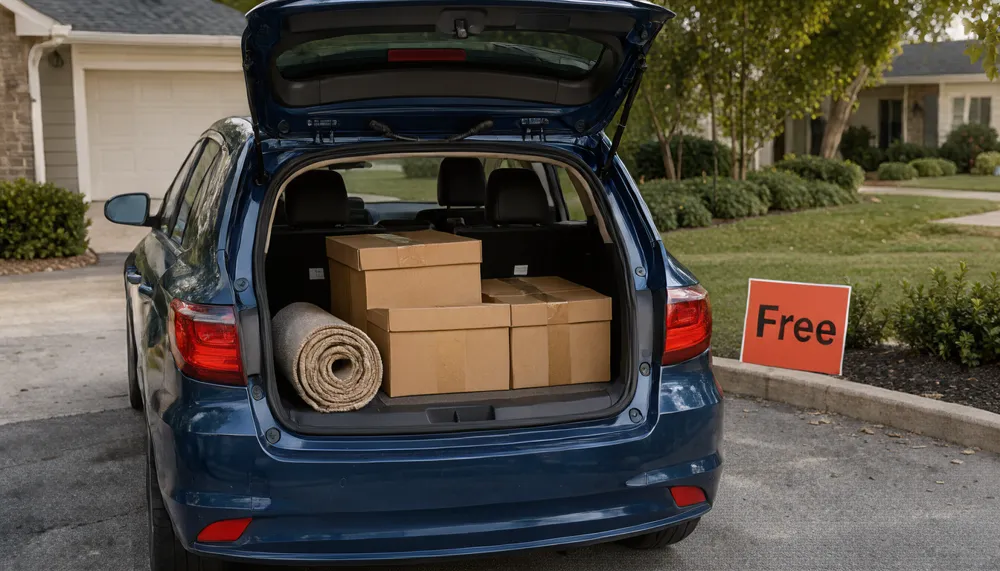
- Check your vehicle: Ensure your car or truck has enough space for the item. Measure the item’s dimensions if possible and compare them to your vehicle’s cargo area.
- Dress appropriately: Wear clothes and shoes that are suitable for moving items. Closed-toe shoes are recommended to protect your feet, and gloves can prevent blisters or cuts.
- Have a plan for the item: Know where the item will go in your home before you pick it up. This prevents you from having to move it around multiple times, which can cause damage or injury.
Being prepared also means being polite. Thank the seller for their time and effort. If the item is in better condition than expected, a simple compliment can go a long way. Small gestures of appreciation, such as bringing a bottle of water or a small thank-you note, can foster goodwill and encourage others to continue sharing items in your community.
Navigating Local Customs and Etiquette
While the basic principles of safety and timing are universal, local customs can influence how free item exchanges are conducted. In some countries, it is customary to negotiate even for free items, while in others, the first person to claim the item gets it. Understanding these nuances can help you navigate interactions smoothly.
For example, in some cultures, it is polite to offer a small gift or token of appreciation to the seller, even if the item is free. In other places, this might be seen as unnecessary or even awkward. If you are unsure, observe the seller’s behavior or ask politely if there are any local norms you should be aware of. Additionally, be mindful of noise levels if you are picking up items from an apartment building. Keep your voice down and avoid blocking hallways or elevators for other residents.
It is also important to respect the seller’s property. If you are entering a home, ask if you should remove your shoes. If you are picking up from a garage or driveway, avoid stepping on landscaping or blocking driveways. These small acts of consideration help maintain positive relationships within the community.
Using Tools to Find Listings
To streamline the process of finding items, many users rely on digital tools that aggregate listings from various sources. For instance, Bazarmap shows such posts on a free live map, allowing users to see available items in their vicinity without needing to browse through multiple websites. This can be particularly useful for identifying nearby options quickly and planning efficient pickup routes. While these tools can save time, always verify the details directly with the seller before making the trip, as listings may not always be up to date.
Using a map-based interface can also help you assess the safety and convenience of a location before you commit. You can see if the pickup spot is in a well-trafficked area or if it is isolated. This preliminary check can inform your decision on whether to meet at the seller’s home or suggest a public alternative.
Conclusion
Meeting sellers for free item pickups is a simple yet effective way to acquire goods while reducing waste. By prioritizing clear communication, choosing safe locations, timing your visits wisely, and preparing adequately, you can ensure a smooth and positive experience. Remember that every interaction is an opportunity to build trust within your community. While customs may vary by country, the core principles of respect, safety, and reliability remain constant. With a little planning and consideration, you can enjoy the benefits of free exchanges while contributing to a more connected and sustainable neighborhood.
 A Guide to Second-Hand Shopping in Yokohama
 A Guide to Second-Hand Shopping in Bristol
 Helping an Elderly Relative Declutter and Sell Their Home Items
 A Guide to Second-Hand Shopping and Flea Markets in Taichung
 Planning a Walking Route for a Day of Flea Market Hopping
 A Guide to Flea Markets, Second-Hand Shops, and Charity Stores in Milan