
Buying second-hand pet supplies: what to sanitize and what to avoid
November 5, 2026
Introduction
Buying second-hand pet supplies is a sustainable and budget-friendly way to equip your home for a new or existing companion. From sturdy crates to ceramic bowls, many items can be reused with proper care. However, not all used gear is created equal. Some materials harbor bacteria, parasites, or chemical residues that are difficult to remove, posing risks to your pet’s health. This guide breaks down which items are generally safe to buy and sanitize, which ones you should avoid, and how to clean them effectively. While local regulations and customs differ by country regarding the import of used goods, the basic principles of hygiene and material safety remain universal.
The Golden Rule: Material Matters
Before you even look at the condition of an item, check what it is made of. The material determines how well you can sanitize it and how long it will last. Hard, non-porous surfaces are your best friends in the second-hand market. These materials do not absorb liquids, odors, or pathogens, making them easy to disinfect.
- Stainless Steel: Ideal for bowls, cages, and grooming tables. It is rust-resistant and can withstand high temperatures and strong disinfectants.
- Ceramic and Glass: Great for food and water dishes. Ensure they are not chipped, as cracks can hide bacteria.
- Hard Plastic: Suitable for carriers, litter boxes, and storage bins. Look for high-density polyethylene (HDPE) or polypropylene (PP), which are easier to clean than softer plastics.
- Metal Wire: Perfect for crates and playpens, provided there is no rust or sharp edges.
Avoid porous materials if possible. Fabric, foam, and soft rubber absorb urine, saliva, and dirt, making them nearly impossible to fully sterilize. If you must buy these items, be prepared to replace them frequently or accept that they may never be completely odor-free.
Safe to Buy: Hard Surfaces and Structural Items
Certain items are low-risk because they are durable and easy to clean. You can confidently purchase these from second-hand sources, provided they are structurally sound.
Food and Water Bowls
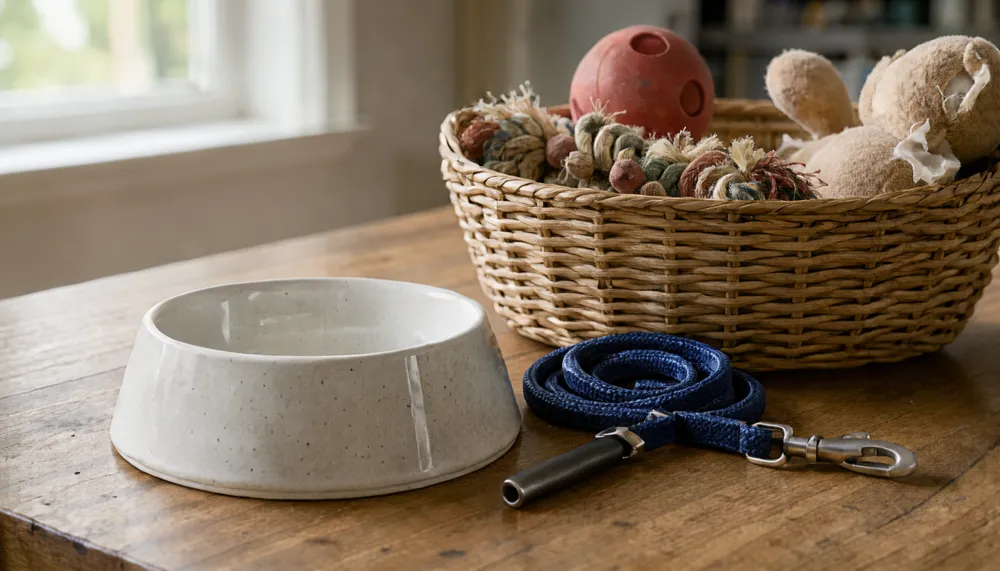
Stainless steel and glazed ceramic bowls are excellent choices. They are heavy enough to stay put and easy to scrub. Check for deep scratches in plastic bowls, as these can trap bacteria. If the bowl is metal or ceramic, a thorough wash with hot soapy water and a rinse with a diluted bleach solution (one part bleach to thirty-two parts water) is usually sufficient. Always rinse thoroughly to remove any chemical residue.
Crates and Kennels
Wire crates and hard plastic carriers are highly reusable. Inspect the wire for rust, which can be a hazard if your pet chews on it. If the crate is metal, you can often hose it down outside and scrub it with a stiff brush. For plastic carriers, disassemble any removable parts and soak them in warm soapy water. Pay special attention to hinges and latches; ensure they still function correctly to keep your pet secure.
Litter Boxes
Hard plastic litter boxes are a great second-hand find. As long as the plastic is not deeply scratched or stained, you can sanitize them effectively. Scrub the box with a non-abrasive cleaner and rinse well. If the box has a strong odor that persists after cleaning, it may be time to let it go, as the plastic may have absorbed the smell permanently.
Proceed with Caution: Items Requiring Deep Cleaning
Some items are worth buying but require more effort to make safe. These items often have multiple components or materials that need specific cleaning methods.
Cat Trees and Scratching Posts
Cat trees are often bulky and expensive new, making them attractive second-hand buys. However, they are made of fabric, carpet, and sisal rope, which can harbor fleas, mites, and urine. Before bringing one home, inspect it closely for signs of infestation. Vacuum the fabric thoroughly with a HEPA filter vacuum. If the fabric is removable, wash it in hot water. For non-removable parts, use a steam cleaner to kill parasites and bacteria. If the tree smells strongly of urine, it is likely not worth the effort to save.
Grooming Tables
Metal grooming tables are sturdy and easy to clean. However, the padded top is often made of vinyl or foam. Check the padding for tears or cracks where hair and dirt can accumulate. If the padding is intact, wipe it down with a pet-safe disinfectant. If it is torn, consider replacing the pad or buying a new table, as bacteria can thrive in the exposed foam.
Leashes and Collars
Nylon leashes and collars can be washed in a washing machine on a gentle cycle with mild detergent. Air dry them completely before use. Check the stitching for wear and tear. If the material is leather, it requires more care. Leather can dry out and crack if not conditioned properly. If the leather is stiff or cracked, it may not be safe to use, as it could break during a walk.
What to Avoid: High-Risk Items
Some items are simply too risky to buy second-hand. The cost of replacement is often lower than the risk of illness or injury.
Soft Beds and Blankets
While it is tempting to buy used bedding, it is difficult to guarantee that it is free of parasites, fungi, or bodily fluids. If you must buy used bedding, wash it in hot water with a pet-safe detergent and dry it on high heat. However, for pets with allergies or sensitive skin, it is safer to buy new bedding.
Chew Toys
Chew toys are made of rubber, nylon, or rope, all of which can degrade over time. Small pieces can break off and become choking hazards. Additionally, these toys can harbor bacteria in microscopic cracks. It is best to buy new chew toys to ensure they are safe for your pet to put in their mouth.
Medication and Supplements
Never buy used medication or supplements. You cannot verify the storage conditions, expiration date, or authenticity of the product. Always buy these items new from a reputable source.
Fish Tanks and Aquarium Equipment
While glass tanks can be cleaned, the filters, pumps, and tubing are difficult to sanitize completely. Old filters can harbor harmful bacteria that may disrupt the nitrogen cycle in a new tank. It is usually safer to buy new equipment for aquariums to ensure a healthy environment for your fish.
How to Sanitize Effectively
Cleaning is not just about removing visible dirt; it is about killing pathogens. Here is a general protocol for sanitizing second-hand pet supplies.
- Remove Debris: Brush off hair, dirt, and loose particles. For fabric items, vacuum thoroughly.
- Wash: Use hot water and a mild, pet-safe detergent. Avoid harsh chemicals like ammonia, which can be toxic to pets if not rinsed perfectly.
- Disinfect: Use a pet-safe disinfectant. A diluted bleach solution is effective for hard surfaces, but always rinse thoroughly. For fabrics, consider using a steam cleaner, which uses heat to kill bacteria and parasites without chemicals.
- Dry Completely: Moisture promotes bacterial growth. Ensure all items are completely dry before storing or using them. Air drying in sunlight is a natural disinfectant.
Local Customs and Import Considerations
If you are buying second-hand items from another country, be aware that customs regulations vary. Some countries restrict the import of used animal products or require specific cleaning certifications. For example, certain regions may prohibit the entry of used pet food or treats due to disease control measures. Always check with your local customs authority before shipping large items like crates or cat trees internationally. This can save you from having your purchase seized or returned.
Conclusion
Buying second-hand pet supplies is a smart way to save money and reduce waste, but it requires diligence. Focus on hard, non-porous materials like metal, ceramic, and hard plastic, which are easy to sanitize. Be cautious with fabric and foam items, and avoid high-risk categories like chew toys and medication. By following proper cleaning protocols and checking local customs regulations, you can safely furnish your home with quality gear for your pet. If you are looking for local sellers or want to see what is available in your area, platforms like Bazarmap show such posts on a free live map, helping you find nearby options without leaving your neighborhood.
 A Guide to Second-Hand Shopping in Warsaw
 A Guide to Second-Hand Shopping in Yokohama
 Meeting Sellers for Free Item Pickup: Safety and Timing Tips
 A Guide to Second-Hand Shopping in Bristol
 Helping an Elderly Relative Declutter and Sell Their Home Items
 A Guide to Second-Hand Shopping and Flea Markets in Taichung