
Finding Safe Vintage Toys for Kids at Flea Markets and Antique Shops
November 8, 2026
Introduction
Hunting for vintage toys is a delightful way to introduce children to history, craftsmanship, and unique playthings that no longer exist in modern retail stores. From wooden trains and tin robots to cloth dolls and die-cast cars, these items offer a tactile and imaginative experience that can complement contemporary play. However, the charm of the past comes with specific responsibilities for the modern parent or collector. Unlike new toys, which must meet current safety regulations, vintage items were manufactured under different standards, often using materials that are now considered hazardous.
This guide is designed to help you navigate flea markets, antique shops, and estate sales with confidence. It focuses on practical steps to identify potential risks, understand the limitations of older toys, and ensure that the items you bring home are suitable for your children. While the joy of the hunt is universal, safety regulations vary significantly by country, so this guide also highlights the importance of local context. Whether you are in Europe, North America, or Asia, the goal is to balance nostalgia with safety, ensuring that vintage treasures remain a source of joy rather than concern.
Understanding the Age and Era of the Toy
Before assessing safety, it is helpful to understand the general era of the toy. This context informs what materials and manufacturing techniques were common at the time. Toys from the early 20th century, for example, often used lead-based paints and brittle plastics or celluloid, which can shatter easily. Mid-century toys might feature more durable metals and safer plastics, but they may still lack the small-part warnings required today.
When you find a toy that interests you, look for maker’s marks, patent dates, or style cues that indicate its age. If the item is undated, consult reference books or online collector communities to estimate its production period. Knowing the era helps you anticipate specific risks. For instance, pre-1970s toys are more likely to contain lead paint, while toys from the 1980s might have issues with small, detachable parts that were not regulated as strictly as they are today. This historical awareness is the first step in a thorough safety assessment.
Checking for Material Hazards
The most significant safety concern with vintage toys is the material composition. Modern toys are subject to strict limits on toxic substances, but vintage items were often made with materials that are now restricted or banned. The primary culprits are lead, cadmium, and certain phthalates in plastics.
- Paint and Coatings: Lead was widely used in toy paints until the late 1970s and early 1980s in many countries. Look for chipping, flaking, or powdery paint, especially on metal toys. If the paint is intact, it is less of an immediate risk, but it should still be tested if the toy will be handled frequently by young children. Avoid toys with heavy, thick layers of paint that feel chalky or brittle.
- Plastics: Early plastics like celluloid are highly flammable and can degrade over time, becoming brittle and sharp. Later plastics may contain phthalates, which are plasticizers that can leach out. If a plastic toy feels sticky, oily, or has a strong chemical smell, it may be degrading and should be avoided for young children.
- Fabrics and Stuffing: Cloth dolls and stuffed animals can harbor mold, dust mites, or old stains. Check for signs of water damage or mildew. The stuffing inside may contain old cotton, wool, or synthetic fibers that could trigger allergies. If the fabric is fragile, it may shed fibers that could be inhaled.
If you are unsure about the materials, consider whether the toy is intended for display or active play. For active play, prioritize items made of solid wood, untreated metal, or high-quality cotton that can be washed.
Assessing Structural Integrity and Small Parts
Even if the materials are safe, the physical condition of the toy is crucial. Vintage toys have survived decades, but they may have developed weak points that pose a risk to children. The primary concern here is choking hazards and sharp edges.
Inspect the toy for loose parts. Buttons, eyes, noses, and wheels should be firmly attached. If any part can be pulled off with moderate force, it is a choking hazard for children under three years old. Check for cracks, especially in plastic or ceramic items, as these can create sharp edges that may cut small hands. Metal toys should be free of rust and sharp burrs. If a metal toy has rust, it may be structurally compromised and could break apart during play.
Also, consider the size of the toy. Small vintage cars, doll accessories, or building blocks may be too small for younger children. Even if the toy itself is large, its accessories might not be. If you plan to give the toy to a toddler, ensure that all components are larger than the standard choke test cylinder (approximately 1.25 inches in diameter and 2.25 inches long). For older children, small parts are less of a concern, but you should still check for sharp edges or pinch points in moving parts.
Cleaning and Sanitizing Vintage Toys
Once you have selected a toy that passes the visual and structural checks, proper cleaning is essential. Vintage toys have been handled by many people and stored in various environments, so they may carry dust, bacteria, or other contaminants. The cleaning method depends on the material.
- Wood: Wipe with a damp cloth and mild soap. Avoid soaking wooden toys, as this can cause warping or cracking. Dry thoroughly immediately after cleaning. If the wood is unfinished, you may apply a food-safe mineral oil to protect it.
- Metal: Use a soft cloth with mild soap and water. Dry immediately to prevent rust. For stubborn grime, a paste of baking soda and water can be gently applied. Avoid abrasive cleaners that could remove original paint.
- Plastic: Wash with warm soapy water. If the plastic is sturdy, you can soak it briefly, but avoid hot water, which can warp older plastics. Air dry completely.
- Fabric: If the fabric is colorfast and the stuffing is not delicate, hand wash with mild detergent. Squeeze out excess water gently and air dry. If the fabric is fragile or the stuffing is unknown, consider spot cleaning or professional cleaning.
Always test a small, inconspicuous area first to ensure the cleaning method does not damage the toy. Remember that cleaning may remove some of the patina that gives vintage items their character, so weigh the aesthetic value against the need for hygiene.
Navigating Global Safety Standards and Customs
Safety regulations for toys vary significantly by country. What is considered safe in one region may be restricted in another. When buying vintage toys, especially from international sources, be aware of these differences.
In the European Union, the CE marking indicates compliance with health, safety, and environmental protection standards. However, vintage toys will not have this marking, so you must rely on your own assessment. In the United States, the Consumer Product Safety Commission (CPSC) sets standards for new toys, but vintage items are generally exempt from current testing requirements unless they are sold as new. In many Asian countries, regulations are evolving, and enforcement can vary.
If you are importing vintage toys, check local customs regulations. Some countries restrict the import of certain materials, such as lead paint or specific plastics. Others may require documentation proving the item is for collection rather than play. If you are buying locally, familiarize yourself with your country’s current toy safety laws to understand what risks are considered unacceptable. This knowledge helps you make informed decisions and avoid bringing home items that may not be legally sellable or safe for your local market.
When to Choose Display Over Play
Not every vintage toy is suitable for active play. Some items are too fragile, too valuable, or too hazardous to withstand the rigors of childhood. In these cases, consider displaying the toy rather than giving it to a child to play with. This allows the child to enjoy the aesthetic and historical value of the item without the risk of injury or damage.
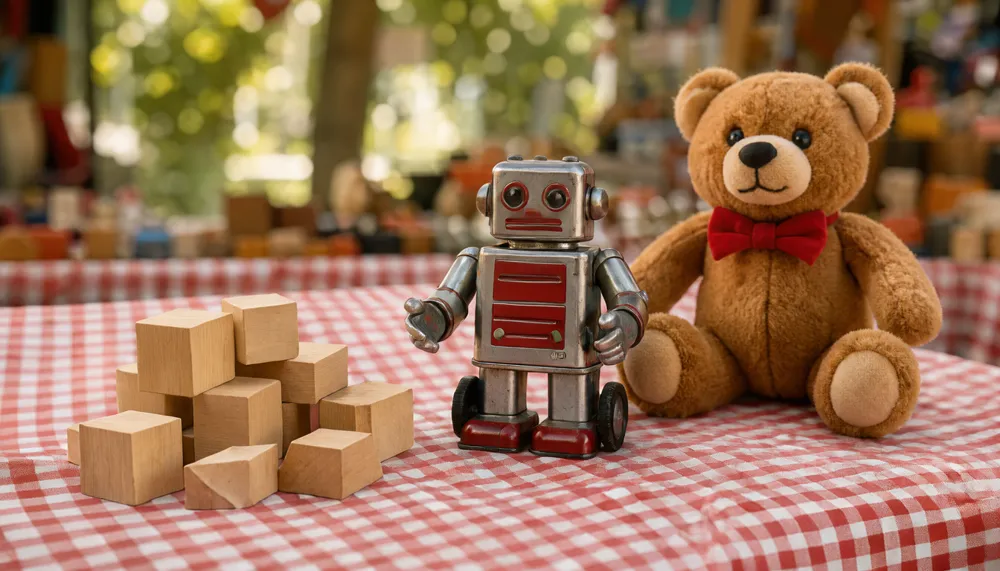
Display toys on high shelves, in glass cabinets, or in dedicated play areas where younger siblings cannot reach them. If you want the child to interact with the toy, supervise play closely and limit the duration. For example, a delicate tin robot might be great for a supervised play session but not for unsupervised solo play. By distinguishing between display pieces and play toys, you can preserve the integrity of the collection while ensuring the safety of the children.
Conclusion
Finding safe vintage toys for kids requires a blend of curiosity, caution, and knowledge. By understanding the era of the toy, checking for material hazards, assessing structural integrity, and cleaning items properly, you can minimize risks and enjoy the unique charm of vintage playthings. Remember that safety standards vary by country, so always consider local regulations and customs when sourcing items internationally. For those who enjoy the hunt, platforms like Bazarmap can help you discover flea markets and antique shops in your area, making it easier to find these hidden gems. Ultimately, the goal is to create a safe and engaging environment where children can appreciate the history and craftsmanship of the past while playing securely in the present.
 A Guide to Second-Hand Shopping and Flea Markets in Siaya, Kenya
 A Guide to Second-Hand Shopping in Dublin
 Decluttering after a breakup: selling shared items and moving on
 A Guide to Second-Hand Shopping in Lyon
 Making Friends at Car Boot Sales: Community Tips for Regulars
 A Guide to Second-Hand Shopping in Warsaw