
A Guide to Second-Hand Shopping in Mexico City
October 1, 2026
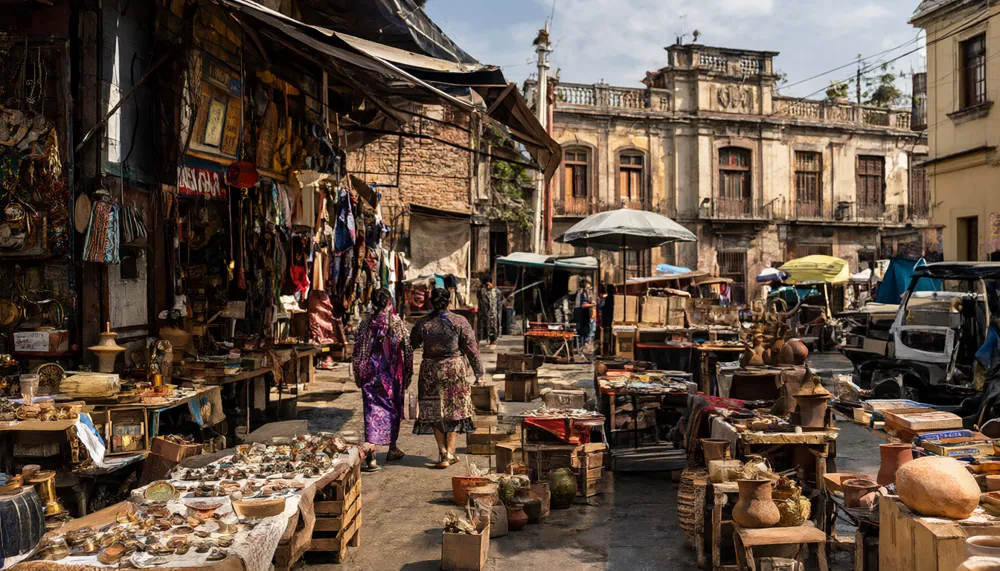
Mexico City offers a vibrant landscape for second-hand shopping, ranging from bustling open-air tianguis to specialized antique galleries. Planning a successful day requires understanding the different types of venues and their specific operating rhythms. This guide helps you navigate the city’s diverse marketplace options, grouping them by category to streamline your route. Whether you are hunting for vintage decor, practical household items, or unique collectibles, knowing where to go and when to arrive ensures a productive experience. Below, we explore the key locations, their hours, and practical advice for both buying and selling.
Understanding the Venue Types
The second-hand market in Mexico City is dominated by three main categories: traditional markets, specialized tianguis, and curated antique shops. Traditional markets often combine fresh produce with household goods, offering a mix of new and used items. Tianguis are typically open-air markets that operate on specific days of the week, focusing on a wide variety of goods from clothing to electronics. Antique shops provide a more curated experience, often specializing in vintage furniture, art, and collectibles. Understanding these distinctions helps in planning your route based on what you wish to buy. For instance, if you need everyday household items, a traditional market is efficient. If you seek unique vintage pieces, an antique shop or a specialized tianguis is preferable.
Planning Your Route: Traditional Markets
Traditional markets are the backbone of local commerce. They are generally open daily, making them reliable stops for any day of the week. Many of these markets open early, allowing you to start your shopping day promptly. For example, Mercado Contadero opens at 07:00 and closes at 17:00, while Mercado San Gregorio Atlapulco operates from 07:00 to 20:00. These early hours are ideal for beating the crowds and finding the best selections before they are picked over. Other notable markets include Mercado Héroes de la Independencia (08:00-18:00) and Mercado La Joya (08:00-19:00). If you prefer a longer shopping window, Mercado 44 Xóchitl stays open until 20:00. Always verify current hours, as they may change due to holidays or seasonal adjustments. These markets are excellent for finding practical items, kitchenware, and basic clothing at reasonable prices.
Exploring Specialized Tianguis
Tianguis are unique to the Mexican shopping culture, offering a dynamic and often chaotic but rewarding experience. Unlike traditional markets, many tianguis operate on specific days. For instance, Tianguis sábados is open on Saturdays, Tianguis domingos on Sundays, Tianguis viernes on Fridays, and Tianguis jueves on Thursdays. This schedule allows you to plan your week around your preferred shopping days. Some tianguis have specific hours, such as Tianguis Atenco (Monday 06:00-17:00) and Tianguis Acuexcomac (Tuesday 06:00-17:00). Others, like Tianguis Avenida del IMAN, operate from Thursday to Sunday, 09:00-17:00. These markets are ideal for finding eclectic items, from vintage clothing to handmade crafts. The limited operating days mean you must plan ahead, but the variety and atmosphere often make the wait worthwhile. Check the specific day for each tianguis to ensure you arrive when they are active.
Visiting Antique Shops and Curated Spaces
For those seeking higher-quality vintage items or specific collectibles, antique shops and curated spaces offer a more refined experience. Galería Windsor is a prime example, operating Monday to Friday from 10:00 to 18:00, and Saturday from 10:00 to 15:00. This shop is suitable for buyers looking for curated antique pieces rather than bulk goods. Other specialized spaces include Bazar Fusión, open Tuesday to Sunday from 11:00 to 19:00, and Mercado Artesanos Y Piñateros, open Monday to Friday from 09:00 to 17:00. These venues often feature items with historical significance or artistic value. The hours are typically shorter than traditional markets, reflecting their niche focus. Visiting these shops requires a more targeted approach, as they may not have the same volume of inventory as larger markets. However, the quality of items is often higher, making them ideal for serious collectors or those seeking unique decor pieces.
Tips for Buying Second-Hand Items
When shopping in Mexico City’s markets, preparation is key. Arrive early, especially at markets that open at 07:00 or earlier, to secure the best items before they are sold. Bring cash, as many vendors prefer cash transactions and may not accept cards. Inspect items carefully for damage, as return policies are often limited or non-existent. Negotiating prices is common and expected in most markets, so do not hesitate to ask for a better deal. Wear comfortable shoes, as you may be walking long distances between stalls. If you are visiting a tianguis that operates only one day a week, arrive shortly after opening to avoid the midday rush. For antique shops, check the condition of items thoroughly, as repairs may not be included in the price. Always confirm the opening hours before your visit, as they may change due to holidays or seasonal adjustments.
Selling Your Own Items
If you wish to sell your own items, consider participating in local markets or organizing a garage sale. Many markets allow individuals to set up stalls, though rules vary by location. For a garage sale, choose a visible location near your home and advertise in advance. Prepare your items by cleaning them and organizing them by category. Price items clearly to facilitate quick sales. If selling at a market, arrive early to secure a good spot. Bring change for customers and a table to display your goods. Engage with potential buyers by highlighting the unique features of your items. Be prepared to negotiate prices, as this is a common practice. Ensure your items are in good condition, as buyers expect quality even in second-hand markets. Selling your items can be a rewarding way to declutter and earn extra income while participating in the local community.
Conclusion
Second-hand shopping in Mexico City is a diverse and engaging experience. By understanding the different types of venues and their operating hours, you can plan an efficient and enjoyable shopping day. Whether you prefer the bustling atmosphere of a traditional market, the eclectic charm of a tianguis, or the curated selection of an antique shop, there is a place for every shopper. Remember to check hours before visiting, as they may change. With these tips and location insights, you are well-equipped to navigate the city’s vibrant second-hand market scene. Happy shopping.