
Books, vinyl and games: what second-hand buyers look for
October 14, 2026
Introduction
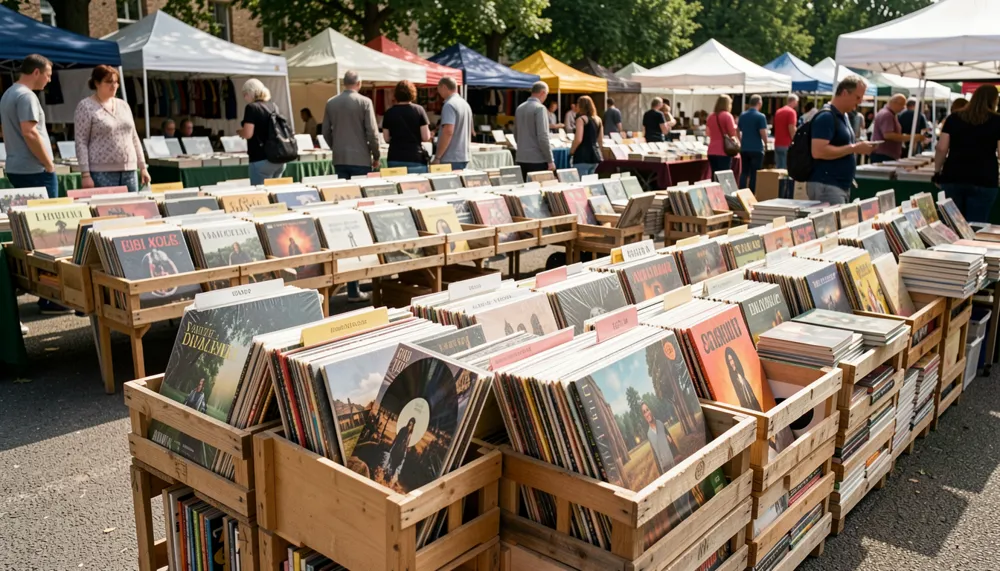
Selling second-hand media items such as books, vinyl records, and video games requires a different approach than selling general household goods. Buyers in these categories are often enthusiasts or collectors who prioritize specific attributes over general utility. They are looking for items that fit into existing collections, offer a specific aesthetic, or provide a tangible connection to a particular era or genre. Understanding what these buyers value can significantly improve your chances of selling items quickly and at a fair price. This guide explores the key factors that influence purchasing decisions in the secondary market for media, focusing on condition, completeness, and presentation. While customs and preferences can vary slightly by country, the core principles of clarity and honesty remain universal.
The Primacy of Condition
Condition is the single most important factor for most buyers of physical media. Unlike digital files, physical items degrade over time, and buyers want to know exactly what they are getting before they commit to a purchase. For books, this means checking for spine creases, yellowing pages, and cover wear. For vinyl records, it involves assessing the surface for scratches, scuffs, or warping. Games, particularly older cartridges and discs, are judged on the cleanliness of the contacts and the integrity of the case.
Buyers generally categorize condition into tiers such as "Like New," "Very Good," "Good," and "Fair." It is crucial to be honest about where an item falls. Overstating the condition of a heavily used book or a scratched record often leads to returns or disputes. Instead, provide a detailed description of any flaws. Mention if a book has a cracked spine or if a vinyl record has a light surface mark that does not affect playback. Transparency builds trust. In many regions, buyers appreciate knowing if an item has been stored in a humid environment or if it has been exposed to sunlight, as these factors affect longevity. Always include high-resolution photos of the actual item, not just stock images, so buyers can see the specific wear patterns.
Completeness and Original Packaging
Collectors often value completeness highly. For books, this includes dust jackets, bookmarks, and any accompanying inserts. A hardcover book with its original dust jacket is typically worth more than the same book without it, even if the book itself is in identical condition. For vinyl records, the original inner sleeve and outer sleeve are important components of the package. Missing sleeves can lower the perceived value, especially for limited editions or audiophile pressings.
Video games present a unique challenge regarding completeness. Buyers often look for the original box, manual, and any included accessories like controllers or memory cards. While some buyers are happy with just the game cartridge or disc, others prefer the full package for display purposes or to ensure compatibility with older hardware. If you are selling a game without its box, clearly state this in the title and description. Some buyers specifically search for "complete in box" items, while others prioritize the functional aspect of the game itself. Understanding your target audience helps in pricing and listing strategy. In some countries, there is a stronger culture of keeping original packaging for resale value, while in others, the focus is more on the immediate usability of the item.
Accuracy in Descriptions and Metadata
Precision in describing the item is essential. For books, this means specifying the edition, printing year, and publisher. First editions, especially those with specific printings, can command higher prices, but only if correctly identified. Misidentifying a reprint as a first edition can lead to dissatisfaction. For vinyl records, buyers look for specific pressing details such as the country of origin, the label color, and the matrix number. These details help collectors identify which pressing they are buying, as sound quality can vary between pressings.
Video games require clear identification of the platform and region. A game released for the Nintendo Switch in Europe may have different language options or compatibility features than the same game in North America. Listing the region code and supported languages prevents confusion. Additionally, note if the game is a standard edition, a special edition, or a bundle. If the item includes DLC codes or downloadable content, mention whether these codes are still valid or if they have been redeemed. Accurate metadata helps buyers filter their search results effectively. Use clear, concise language and avoid jargon unless it is standard within the hobby. For example, terms like "NM" (Near Mint) are widely understood in vinyl communities, but explaining what that means in plain English can help newer buyers.
Presentation and Photography
Visual appeal plays a significant role in attracting buyers. Clean, well-lit photographs are essential. Use a neutral background to make the item stand out. Ensure the item is clean and free of dust before taking photos. For books, show the front cover, back cover, spine, and a few interior pages to demonstrate the paper quality and any markings. For vinyl records, photograph the disc itself to show the surface condition, as well as the sleeve artwork. For games, show the disc or cartridge, the case, and any included manuals.
Avoid using filters that distort colors, as buyers want to see the true color of the cover art and the actual condition of the plastic cases. Include close-up shots of any defects mentioned in the description. This reduces uncertainty for the buyer. If you are selling multiple items together, such as a set of books or a bundle of games, photograph them together to show the full scope of the offer. Consistency in photo style across your listings creates a professional impression. In some regions, buyers prefer photos taken in natural light, while others are accustomed to studio lighting. Adapting to local preferences can improve engagement, but clarity is always the priority.
Pricing and Market Awareness
Setting the right price requires research. Look at completed listings for similar items to gauge the current market value. Consider the rarity of the item, its condition, and the demand for the title or artist. Popular titles in good condition may sell quickly at a moderate price, while rare items might require patience and a higher price point. Be prepared to negotiate, as many buyers expect some flexibility in second-hand markets.
Factor in shipping costs when setting your price. In international sales, customs duties and taxes can vary significantly by country. Some buyers prefer to handle customs themselves, while others appreciate sellers who provide clear information about potential fees. Offering combined shipping for multiple items can attract buyers looking to purchase several things at once. Keep your pricing competitive but realistic. Overpricing can lead to stagnant listings, while underpricing may undervalue your item. Regularly review your prices based on market trends and interest levels. If an item receives many views but few offers, consider adjusting the price slightly to encourage a sale.
Conclusion
Selling second-hand books, vinyl records, and games successfully hinges on understanding what buyers value: clear condition assessments, complete packages, accurate descriptions, and high-quality presentation. By focusing on these elements, you can attract serious buyers and facilitate smooth transactions. Remember that transparency and honesty are key to building trust in the secondary market. Whether you are clearing out a personal collection or managing a larger inventory, applying these principles will help you connect with buyers who appreciate the specific qualities of physical media. For those looking to streamline the process of finding buyers or tracking listings, platforms like Bazarmap show such posts on a free live map, offering a visual way to explore available items in your area or globally.
 A Guide to Flea Markets, Second-Hand Shops, and Charity Stores in Hong Kong
 How to Give Away Houseplants Responsibly to New Owners
 A Guide to Flea Markets and Second-Hand Shopping in Lugulu, Kenya
 What to Check When Buying Second-Hand Kitchenware
 A Guide to Second-Hand Shopping in Barcelona
 Optimizing Table Layouts for Better Flow at Yard Sales