
Buying Used Camping Gear at Flea Markets: What to Check for Wear and Tear
November 17, 2026
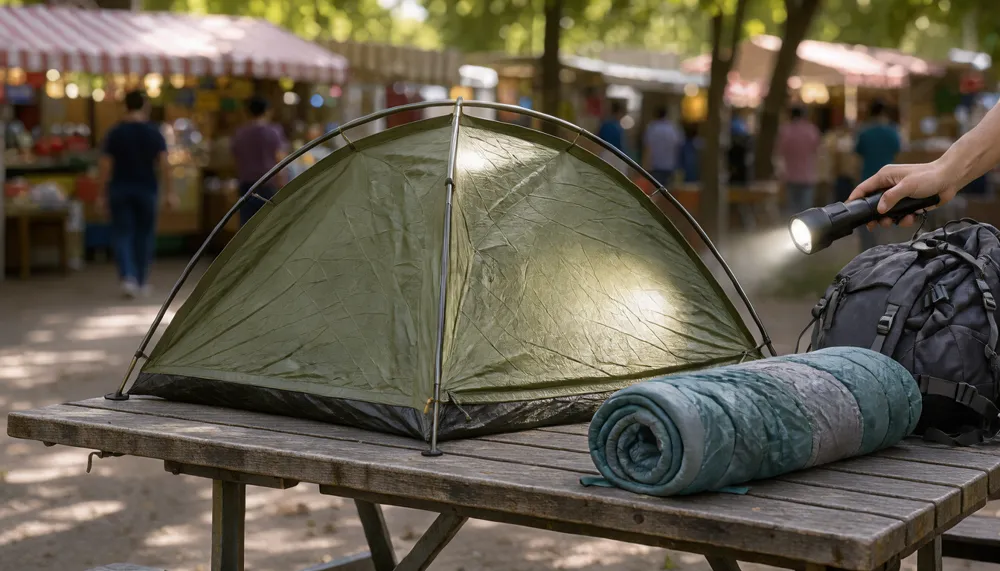
Flea markets and outdoor swap meets are treasure troves for campers looking to save money and reduce waste. You can often find high-quality tents, sleeping bags, stoves, and backpacks for a fraction of their retail price. However, the thrill of the hunt can sometimes overshadow the need for careful inspection. Unlike buying new gear, where you trust the manufacturer’s quality control, buying used requires you to become the inspector. This guide walks you through the essential checks for common camping items, helping you distinguish between a bargain and a burden. While the general principles of wear and tear apply globally, remember that local customs and market regulations vary by country, so always be aware of what is legally permissible to sell and buy in your specific region.
Inspecting Tents and Shelters
Tents are the most complex piece of gear to evaluate because they consist of multiple materials working together. Start with the fabric. Unfold the tent fully and hold it up to the light. Look for pinholes, tears, or thinning areas, especially at the seams and corners where stress is highest. If the fabric feels brittle or papery, the waterproof coating has likely degraded, and re-waterproofing may be necessary or impossible.
Next, examine the poles. If they are aluminum, check for bends, cracks, or sharp edges that could tear the tent fabric. For fiberglass poles, look for splintering or delamination, which indicates the material is failing. Ensure all pole segments are present and that the shock cords are intact. A missing segment can render a tent unusable unless you have spare parts on hand.
Finally, check the zippers and stakes. Zippers should glide smoothly without catching. If a zipper is broken, ask yourself if you have the skills to replace the slider or the entire track. Inspect the tent stakes; if they are bent or rusted, they may not hold in the ground. Bring a small bag of your own stakes to test the tent’s stability if the seller allows it.
Evaluating Sleeping Bags and Pads
Sleeping bags are critical for comfort and safety, so their condition is paramount. The primary concern is the insulation. For down bags, check for clumping or bald spots. If the down is compressed and does not loft back up when shaken, the bag has lost its thermal efficiency. For synthetic bags, look for thinning areas where the fill has shifted or degraded. A good rule of thumb is to press the fabric; it should spring back quickly. If it stays flat, the insulation is compromised.
Check the zippers thoroughly. Sleeping bag zippers are often double-sided and can be difficult to repair. Run the zipper up and down several times to ensure it does not snag or separate. Inspect the draft tubes along the zipper line; if these are torn, cold air will leak in, negating the bag’s warmth rating.
For sleeping pads, the main issue is air retention. Inflate the pad fully and let it sit for at least ten to fifteen minutes. If it becomes noticeably softer, there is a leak. While some leaks can be patched, multiple leaks or leaks near the valve are often fatal to the pad. Check the valve mechanism to ensure it seals tightly and does not leak air when closed. Also, inspect the surface for punctures or abrasions that could lead to future leaks.
Checking Stoves and Fuel Systems
Stoves involve fire and fuel, so safety is the top priority. Start with the fuel canister compatibility. Ensure the stove uses the same type of fuel available in your region. Note that fuel standards and canister types can differ by country, so verify that the stove’s valve matches the canisters you plan to use. If you are buying internationally, check if the stove requires a specific adapter.
Inspect the burner heads for clogging or corrosion. Remove the burner caps if possible and look for debris or rust. A clogged burner will produce an uneven flame and waste fuel. Check the fuel lines for cracks, kinks, or brittleness. If the lines are rubber, they may have hardened over time, which is a safety hazard. Replace them if they feel stiff or show signs of cracking.
Test the ignition system if the stove has one. Piezo igniters often fail over time. If the igniter does not spark, you will need to carry a lighter or matches, which is manageable but less convenient. Check the legs and support arms for stability. They should lock into place securely without wobbling. A wobbly stove is a recipe for spilled fuel and burns.
Assessing Backpacks and Carrying Systems
Backpacks endure significant stress, so structural integrity is key. Start with the frame. If it is an internal frame, check for bends or cracks in the metal stays. For external frames, ensure all joints are tight and the frame is not rusted through. The frame is the backbone of the pack; if it fails, the pack is useless.
Examine the shoulder straps and hip belt. The padding should be intact and not compressed flat. Check the stitching on all load-bearing points, such as where the straps attach to the body of the pack. Look for frayed threads or loose seams. If the stitching is coming undone, the pack may fail under heavy loads. Test the adjustment mechanisms, including buckles and sliders. They should move smoothly and lock securely. Broken buckles are common and can be replaced, but it adds to the cost and effort.
Check the main compartment and pockets for tears or holes. Pay special attention to the bottom of the pack, which bears the most wear. If the fabric is worn through, you may need a rain cover or a liner to protect your gear. Also, inspect the zippers and flaps. Ensure they close properly and that any Velcro is still sticky. Worn-out Velcro will not hold pockets closed, leading to lost items.
Verifying Headlamps and Electronics
Headlamps are simple but essential. The main issue is battery corrosion. Open the battery compartment and look for white or green crusty residue. This indicates old batteries have leaked, which can damage the contacts. Clean the contacts with a cotton swab and rubbing alcohol if possible. If the corrosion has eaten through the metal, the headlamp may not work reliably.
Test the light output. Turn it on and check all modes. Ensure the beam is focused and not dim. A dim beam may indicate a failing LED or battery issue. Check the headband for elasticity and stitching. It should be comfortable and secure. If the band is brittle or torn, it may snap during use. Also, verify that the switch works smoothly and does not stick. A faulty switch can drain the batteries quickly if it fails to turn off completely.
Understanding Local Customs and Market Norms
When shopping at flea markets, remember that regulations and norms vary by country. In some regions, sellers are required to provide basic warranties or return policies, while in others, all sales are final. It is wise to ask about the return policy before purchasing, even if it is informal. Additionally, be aware of local laws regarding the sale of used goods. Some countries have strict rules about selling items that have been recalled or are considered unsafe.
If you are traveling and buying gear abroad, consider the compatibility of your gear with local standards. For example, stove fuel types and headlamp battery sizes may differ. Ensure you can source replacement parts or consumables locally. Also, be mindful of customs regulations if you plan to transport the gear across borders. Some countries restrict the import of certain materials or require declarations for high-value items. Always keep receipts or proof of purchase, even if it is just a handwritten note from the seller.
Final Tips for a Successful Purchase
Before you buy, do a quick online search for the model. Look for reviews that mention common failure points. This knowledge will help you know what to look for during your inspection. Bring a small toolkit with you, including a multi-tool, a flashlight, and a patch kit. This allows you to test gear more thoroughly and make minor adjustments on the spot.
Negotiate the price based on the condition. If you find flaws, point them out politely and ask for a discount. Sellers are often willing to lower the price for items that need minor repairs. However, be realistic about the cost of repairs. If the repair cost approaches the price of a new item, it may not be worth the effort.
Finally, trust your instincts. If something feels off, walk away. There will always be another flea market and another item. By taking the time to inspect gear carefully, you can find reliable, high-quality equipment that will serve you well on your adventures. For those looking to discover local flea markets and swap meets, platforms like Bazarmap can help you find such posts on a free live map, making it easier to plan your treasure hunts.
In conclusion, buying used camping gear is a rewarding way to build your kit sustainably and affordably. By focusing on structural integrity, waterproofing, and safety, you can avoid common pitfalls and find gear that lasts. Always inspect thoroughly, consider local regulations, and be prepared to make minor repairs. With patience and attention to detail, you can turn flea market finds into trusted companions for your outdoor journeys.
 A Guide to Second-Hand Shopping in Edinburgh
 A Guide to Second-Hand Shopping and Markets in Sydney
 Giving away garden tools and equipment: cleaning and handover etiquette
 A Guide to Flea Markets, Second-Hand Shops, and Charity Stores in Lisbon
 Selling Used Books: When to Sell Locally at a Garage Sale vs. Online
 A Guide to Flea Markets, Second-Hand Shops, and Charity Stores in Seoul