
Giving away garden tools and equipment: cleaning and handover etiquette
November 16, 2026
Introduction
Sharing garden tools and equipment with neighbors, community groups, or local online platforms is a wonderful way to extend the life of your items and foster goodwill. Whether you are downsizing, upgrading your setup, or simply clearing out a shed, giving away items requires a bit more care than selling them. Because there is no financial transaction involved, the social contract relies heavily on trust, clarity, and mutual respect. This guide outlines the best practices for preparing your tools, communicating effectively with potential recipients, and ensuring a smooth, safe handover. While the core principles of cleanliness and honesty are universal, remember that local customs regarding pickup times, communication styles, and neighborhood interactions can differ significantly by country and culture.
Assessing Condition and Safety First
Before you even think about listing an item, you must be honest about its condition. A free item is still a responsibility for the recipient, especially if it involves moving parts, sharp edges, or electrical components. Start by sorting your tools into three categories: ready to use, needs minor repair, and needs major repair or is unsafe.
- Ready to use: These items are clean, functional, and safe. They are ideal for quick handovers.
- Needs minor repair: Items like a rake with a loose head or a hose with a small leak can still be given away, but you must clearly state the issue. Some recipients enjoy fixing things, while others want a plug-and-play experience.
- Unsafe or major repair: If a tool has a cracked handle that could splinter, a frayed electrical cord, or a rusted blade that no longer holds an edge, it is often better to recycle it or dispose of it properly. Giving away a dangerous tool can lead to injury and liability issues, even if you were not paid for it.
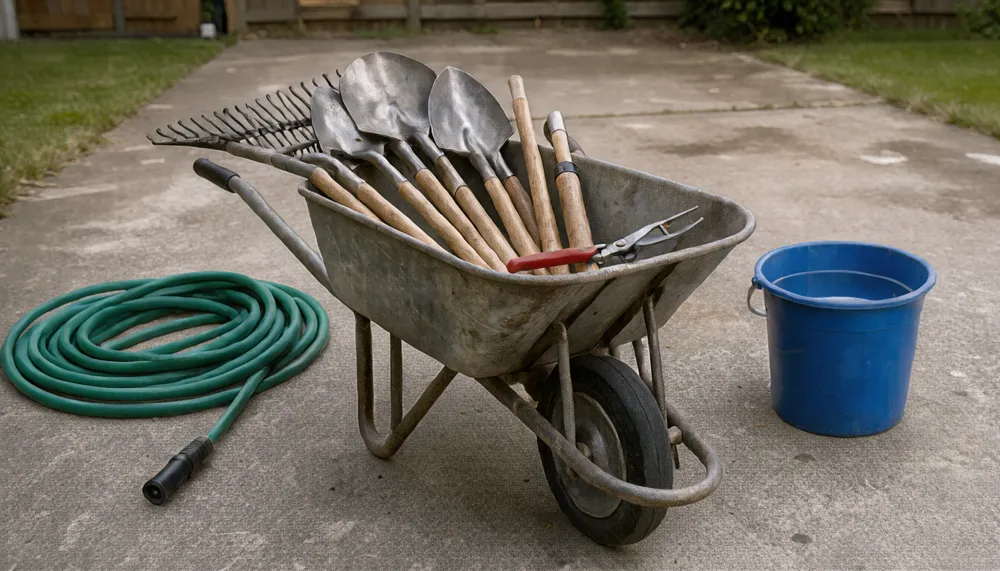
Always check for hidden hazards. For example, ensure that pruning shears have safety locks that work and that wheelbarrows have tires that hold air. If you are unsure about the safety of a power tool, consult a local repair shop or err on the side of caution and keep it for professional disposal.
The Art of Cleaning and Preparation
A clean tool is a respectful tool. Cleaning your equipment before handover shows that you value the recipient and want to make their experience positive. It also prevents the spread of plant diseases, which is a critical consideration for anyone receiving pots, trays, or soil-contact tools.
General Cleaning Steps
- Remove Debris: Knock off dried mud, grass clippings, and leaves. Use a stiff brush for stubborn dirt on trowels, spades, and hoes.
- Degrease: For tools with moving parts, such as pruners, loppers, and saws, use a degreaser or soapy water to remove sap and oil buildup. This ensures the mechanisms move smoothly.
- Disinfect: If the tool has touched soil or plants, wipe it down with a solution of one part bleach to nine parts water, or use a commercial garden disinfectant. This is particularly important if you are giving away items to someone who grows food crops.
- Dry Thoroughly: Moisture is the enemy of metal tools. Dry everything completely to prevent new rust from forming before the recipient can use it.
Specific Care for Different Items
- Hand Tools: Sharpen blades if you have the skills and tools to do so. If not, note that they are dull. Oil metal surfaces lightly to protect them during transport.
- Power Tools: Empty fuel tanks and remove batteries if possible. Check that the cord is intact and the plug is not damaged. Include the manual if you have it, as this adds significant value.
- Hoses and Sprayers: Flush out any old water to prevent algae growth or freezing damage. Check for leaks and note them in your description.
- Pots and Trays: Scrub them thoroughly to remove old soil and roots. If they are plastic, check for cracks that could harbor pests or break under weight.
Writing a Clear and Honest Description
When you post your items online or put up a sign, clarity is your best friend. A vague description leads to wasted trips and disappointment. Be specific about what is included and what is not.
- Be Specific: Instead of saying "garden tools," list them: "One steel spade, one wooden-handled rake, and two plastic watering cans."
- State the Condition: Use clear terms like "good condition," "fair condition with cosmetic rust," or "needs new blade." Include photos from multiple angles. Show the wear and tear honestly.
- Mention Accessories: If you are giving away a lawnmower, specify if the bag, spark plug wrench, or cover is included. If it is missing, say so.
- Note Dimensions and Weight: This helps recipients plan their transport. A large wheelbarrow or a heavy tiller requires a vehicle with space and strength. Mentioning weight prevents awkward moments at the curb.
Communicating and Coordinating the Handover
Once someone expresses interest, the next step is coordination. This is where cultural norms and personal preferences play a significant role. In some countries, it is common to arrange a specific time slot for pickup; in others, a "curbside pickup" model where items are left out for a set period is preferred.
Setting Expectations
- First Come, First Served: State this clearly to avoid disputes. If you have multiple interested parties, let them know you will give the item to the first person who can pick it up.
- Pickup Windows: Offer a few time slots rather than an open-ended "anytime." This respects your time and theirs. For example, "Available Saturday between 10 AM and 2 PM."
- Location Details: If you are meeting at your home, specify if they need to come to the door or if you will bring the items to the curb. If you live in an apartment, clarify if they need to come upstairs or if you can meet in the lobby.
Safety and Privacy
If you are meeting strangers, prioritize safety. Meet in a public place if possible, or have a family member present if they come to your home. For curbside pickups, place items in a visible, safe location away from traffic. Avoid sharing your home address until you have confirmed the pickup time and have a sense of the recipient's reliability.
Handling the Physical Handover
The actual exchange should be brief and friendly. Since there is no money involved, the interaction is purely social. A simple thank you and a wish for good gardening go a long way.
- Have Items Ready: Do not make the recipient wait while you clean or pack the items. Have them staged and ready to go before the agreed time.
- Help with Loading: If the items are heavy or awkward, offer to help load them into the recipient's vehicle. This is a kind gesture that ensures the items are secured properly.
- Confirm Receipt: Once the items are loaded, confirm that the recipient has everything they expected. This prevents misunderstandings later.
If you are using a platform like Bazarmap, which shows such posts on a free live map, you can often see the general area of interested parties. This can help you gauge travel distance and plan your day efficiently, though you should still verify details directly with the recipient.
What to Do If Things Go Wrong
Sometimes, plans change. The recipient might be late, cancel last minute, or arrive with a vehicle too small for the item. Handle these situations with grace.
- Late Arrivals: If someone is more than 15 minutes late, send a polite message asking if they are still coming. If they do not respond, you may offer the item to the next person on your list.
- Cancellations: If someone cancels, thank them for letting you know and move on to the next interested party. Do not hold items indefinitely for someone who is non-committal.
- Wrong Vehicle: If the recipient arrives with a car that is too small, ask if they can return later or if they can split the load. If not, you may need to reschedule or offer the item to someone else.
Conclusion
Giving away garden tools is a rewarding way to declutter and connect with your community. By taking the time to clean your items, describe them honestly, and coordinate a safe handover, you ensure that the tools continue to be useful and that the experience is positive for everyone involved. Remember to adapt your approach to local customs and always prioritize safety and clarity. With a little preparation, your old spade or pruner can find a new home and continue to help someone grow their garden for years to come.
 A Guide to Second-Hand Shopping and Markets in Sydney
 A Guide to Flea Markets, Second-Hand Shops, and Charity Stores in Lisbon
 Selling Used Books: When to Sell Locally at a Garage Sale vs. Online
 A Guide to Flea Markets, Second-Hand Shops, and Charity Stores in Seoul
 Hunting for Vintage Jewelry at Charity Shops: What to Look for and How to Test
 A Guide to Flea Markets, Second-Hand Shops, and Charity Stores in São Paulo