
Hunting for Vintage Jewelry at Charity Shops: What to Look for and How to Test
November 15, 2026
Introduction
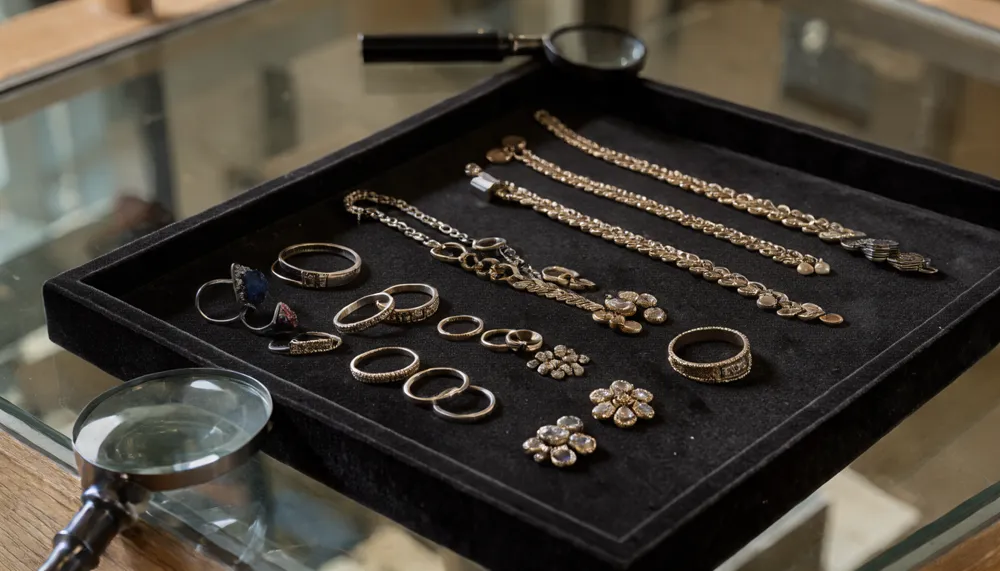
Charity shops, thrift stores, and second-hand boutiques are treasure troves for those who appreciate the craftsmanship and history of vintage jewelry. Unlike modern mass-produced items, vintage pieces often feature unique designs, higher-quality materials, and a sense of character that new items simply cannot replicate. However, hunting for these gems requires more than just a keen eye for style; it demands a basic understanding of materials, an awareness of potential pitfalls, and the ability to perform simple on-the-spot tests. This guide will walk you through what to look for, how to verify authenticity without damaging the piece, and how to navigate the logistical nuances of buying vintage jewelry across different countries.
Understanding the Era and Style
Before you begin digging through trays of costume and fine jewelry, it helps to have a general idea of what you are looking for. Vintage jewelry is generally defined as items that are at least 20 years old but less than 100 years old. Anything older is typically classified as antique. While you do not need to be a historian, familiarizing yourself with the distinct characteristics of major eras can help you spot potential bargains.
- Art Deco (1920s–1930s): Look for geometric shapes, bold colors, and symmetrical designs. Platinum and white gold were popular, often paired with diamonds or semi-precious stones like onyx and coral.
- Mid-Century (1940s–1950s): This era saw a shift toward more organic forms and the use of yellow gold. Designs often featured floral motifs, ribbons, and bows.
- Retro and 1960s–1970s: Expect larger, bolder pieces. Gold plating became more common, and costume jewelry reached its peak in terms of variety and creativity. Look for chunky chains, large cocktail rings, and colorful enamel work.
Understanding these styles helps you filter through the clutter. If you are specifically hunting for a mid-century gold brooch, you can quickly bypass the plastic costume jewelry of the 1980s and the delicate filigree of the Edwardian era.
Visual Inspection: The First Line of Defense
The most important tool you have in a charity shop is your eyes. Before attempting any physical tests, conduct a thorough visual inspection. This step helps you identify obvious flaws, repairs, or signs of authenticity.
Start by examining the clasps and findings. On necklaces and bracelets, the clasp is often the most worn part of the piece. Ensure it opens and closes smoothly and that the safety catch, if present, functions correctly. A stiff or broken clasp is a common issue in vintage pieces and may require professional repair, which adds to the cost.
Next, look for hallmarks or stamps. In many countries, precious metals are required to be stamped with their purity. For example, you might see "925" for sterling silver, "14k" or "585" for 14-karat gold, or "18k" or "750" for 18-karat gold. However, be aware that not all vintage pieces are stamped. Older items, particularly those made before strict hallmarking laws were enforced or those made for export, may lack these marks. Conversely, some costume jewelry is stamped with misleading marks, so always corroborate the stamp with other visual cues.
Check for signs of wear that are consistent with age. Genuine vintage pieces will show natural patina, slight discoloration, or minor scratches that tell a story. Be wary of pieces that look too perfect, as they may be modern reproductions. Also, inspect the settings of any stones. Are the prongs tight? Is there any looseness or movement? Loose stones are a red flag, as they may fall out during wear.
Basic Testing Methods for Precious Metals
Once you have identified a piece that looks promising, you may want to perform some basic tests to determine if it is made of precious metal or if it is plated or costume jewelry. Keep in mind that charity shop staff are usually not gemologists, so you should perform these tests gently and respectfully.
The Magnet Test Gold and silver are not magnetic. If a piece is strongly attracted to a magnet, it is likely made of steel or another base metal with a thin plating. However, this test is not definitive. Some clasps and springs are made of steel to provide tension, so a small magnet might stick to the clasp even if the rest of the chain is gold. Use a strong neodymium magnet if possible, and test multiple areas of the piece.
The Acid Test (Use with Caution) While professional jewelers use acid tests to determine gold purity, this is rarely practical in a charity shop setting. It requires a testing kit and can leave a mark on the jewelry. If you are serious about buying expensive gold pieces, it is better to take the item to a local jeweler for testing after purchase, provided the shop has a reasonable return policy. For most charity shop finds, visual inspection and the magnet test are sufficient.
The Ice Test for Diamonds If you are looking at a piece with clear stones that you suspect are diamonds, you can try the ice test. Diamonds conduct heat very well, so if you place a small ice cube on the stone, it should melt quickly. Glass or cubic zirconia will melt the ice much more slowly. This is not a foolproof test, as other gemstones like moissanite also conduct heat well, but it can help rule out glass.
Evaluating Gemstones and Settings
Identifying gemstones in a charity shop is challenging without professional tools. However, you can assess the quality of the setting and the condition of the stones.
- Clarity and Color: Look for stones that are free of large inclusions or cracks. While some inclusions are natural and can add character, large fractures can weaken the stone and make it prone to breaking.
- Setting Security: Gently tap the stone with your fingernail or a soft tool. If it moves, the setting is loose. A loose setting is a common issue in vintage jewelry and can be repaired, but it should factor into your price assessment.
- Stone Type: Be cautious with pieces that claim to have diamonds but lack hallmarks or have a modern look. Many vintage pieces feature semi-precious stones like amethyst, citrine, garnet, or topaz, which are beautiful and valuable in their own right. Do not assume that a clear stone is a diamond; it could be white sapphire, quartz, or glass.
Navigating International Customs and Regulations
If you are buying vintage jewelry while traveling or purchasing from international online charity shops, you must be aware of customs regulations. These rules vary significantly by country and can affect both the cost and the legality of your purchase.
Import Duties and Taxes Most countries charge import duties and value-added tax (VAT) or goods and services tax (GST) on items brought into the country. The threshold for paying these fees varies. For example, some countries allow you to bring in a certain value of goods duty-free, while others tax everything above a minimal amount. Always check the current customs allowance for your destination country before making a purchase.
Restrictions on Certain Materials Some countries have strict regulations on the import of certain materials. For instance, items made from ivory, tortoiseshell, or certain types of coral may be restricted or banned under international treaties like CITES (Convention on International Trade in Endangered Species). Even if the item is vintage, you may need to provide proof of age or origin to clear customs. It is advisable to avoid buying items made from protected species unless you are certain of the documentation required by your home country.
Documentation Keep all receipts and documentation when buying vintage jewelry internationally. If you are stopped at customs, having proof of purchase and a description of the item can help expedite the process. In some cases, you may need to declare the item as "personal effects" or "used goods," which can sometimes result in lower taxes, but this depends on local laws.
Where to Find Hidden Gems
Not all charity shops are created equal. To increase your chances of finding quality vintage jewelry, consider visiting shops in affluent neighborhoods, university towns, or areas with a high turnover of estate sales. These locations are more likely to receive donations of higher-value items.
Additionally, build relationships with shop volunteers and staff. Let them know what you are looking for. They may set aside items for you or give you a heads-up when a new shipment arrives. Some shops also have specific days when prices are discounted, which can be a great time to browse.
For those who prefer a digital approach, platforms like Bazarmap show such posts on a free live map, helping users discover local second-hand markets and charity shops that may have unique inventory. This can be a useful tool for planning your hunting trips and discovering new locations.
Conclusion
Hunting for vintage jewelry in charity shops is a rewarding hobby that combines the thrill of the hunt with the joy of owning a piece of history. By understanding the styles of different eras, performing careful visual inspections, and using basic testing methods, you can identify quality pieces without breaking the bank. Remember to be mindful of international customs regulations if you are buying across borders, and always keep receipts for documentation. With patience and practice, you will develop an eye for spotting hidden treasures among the racks of second-hand goods. Happy hunting.
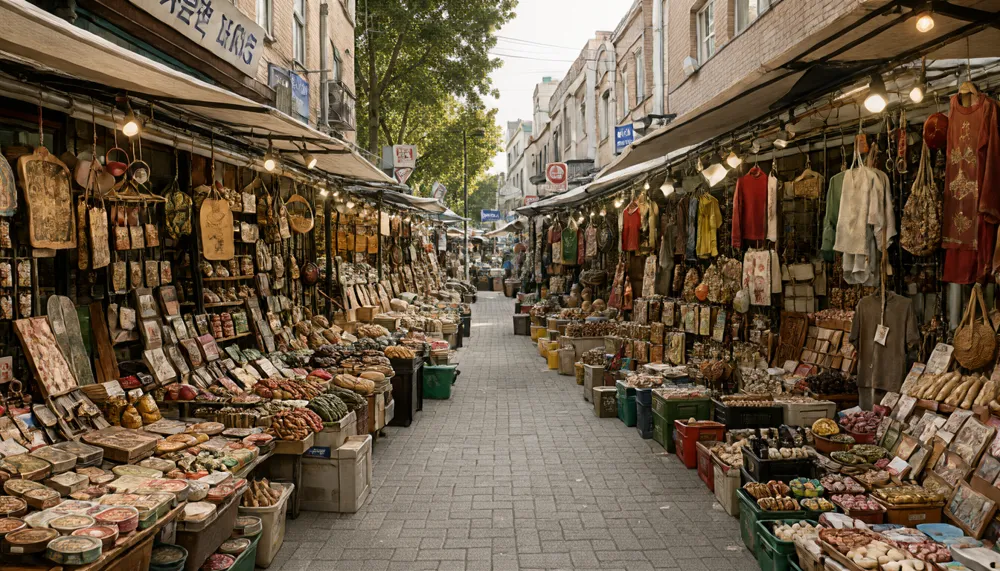 A Guide to Flea Markets, Second-Hand Shops, and Charity Stores in Seoul
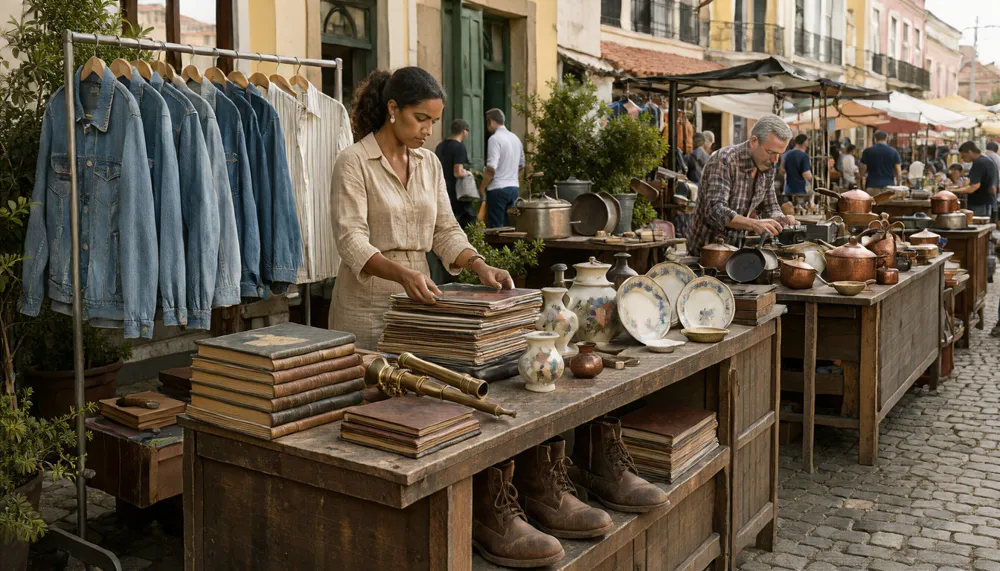 A Guide to Flea Markets, Second-Hand Shops, and Charity Stores in São Paulo
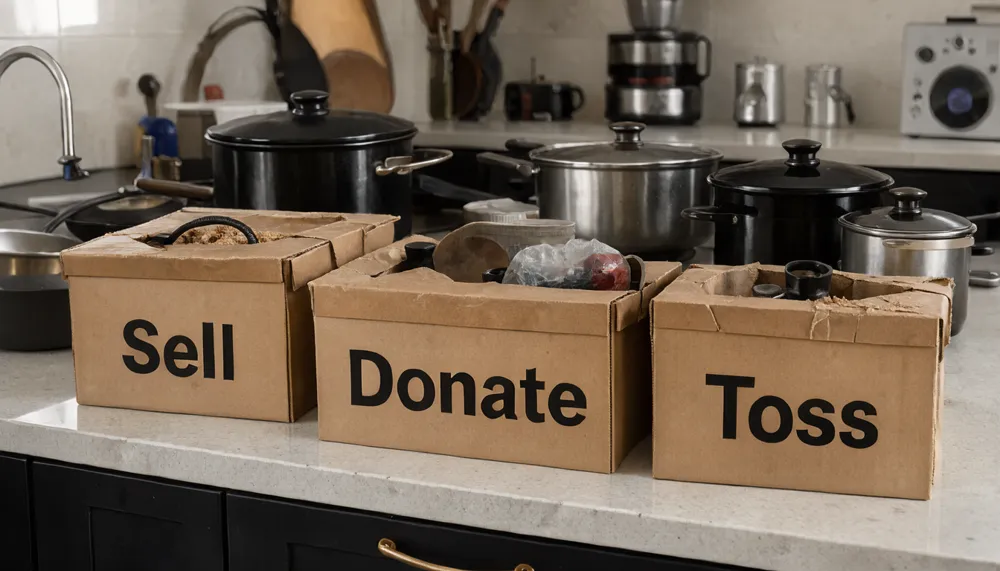 Decluttering Your Kitchen Before a Move: What to Sell, Donate, or Toss
 A Guide to Flea Markets, Second-Hand, and Charity Shops in Havana