
Decluttering Your Kitchen Before a Move: What to Sell, Donate, or Toss
November 14, 2026
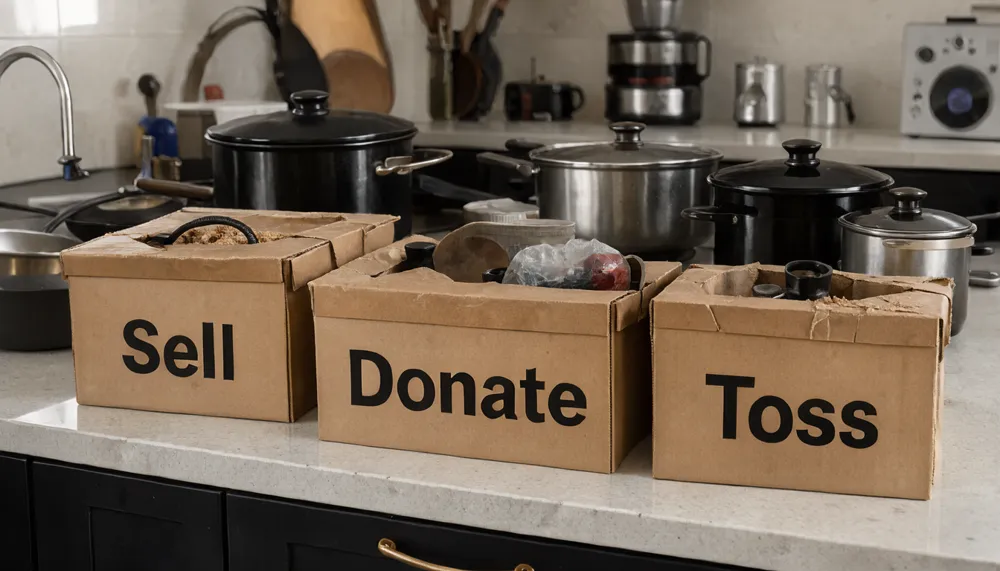
Moving is a significant life event that often brings a mix of excitement and stress. Among the many tasks involved, decluttering the kitchen is frequently the most daunting. It is a room filled with small appliances, bulky cookware, and countless utensils that accumulate over years. However, a well-organized kitchen move can save you money on packing materials and moving fees, while also helping you start your new chapter with only the items you truly need. This guide provides a structured approach to sorting your kitchen inventory, helping you decide what to sell, donate, or toss, while keeping in mind that local regulations and customs vary by country.
Assess Your Inventory and Set Realistic Goals
Before you begin packing boxes, take time to assess what you actually own. It is easy to underestimate the volume of kitchen items, especially if you have been living in the same place for several years. Start by pulling everything out of cabinets and drawers. This may seem overwhelming, but it is the only way to see the full picture. Group items into broad categories: cookware, bakeware, small appliances, utensils, and pantry staples.
As you sort, ask yourself three critical questions for each item:
- Have I used this in the last year? If the answer is no, it is a strong candidate for removal.
- Does it still work properly? Check for broken handles, non-stick coatings that are peeling, or appliances that no longer heat evenly.
- Will I use it in my new home? Consider the size of your new kitchen. If you are moving to a smaller apartment, you may not need two sets of pots or a large stand mixer if you rarely bake.
Setting realistic goals is essential. Do not aim for perfection in one day. Instead, tackle one cabinet or drawer at a time. This prevents decision fatigue and ensures you make thoughtful choices rather than hasty ones.
The Safety Check: When to Toss
The first category to address is items that must be discarded. Kitchen safety is paramount, and certain items degrade over time, posing health risks or simply failing to perform. Be ruthless here; these items are not worth packing or selling.
Start with non-stick cookware. If the coating is scratched, peeling, or flaking, it is time to replace it. While opinions on the health risks of old coatings vary, most experts agree that damaged pans do not cook evenly and can release particles into your food. Similarly, check wooden cutting boards. If they are deeply scored, warped, or have developed a persistent odor that washing does not remove, they can harbor bacteria and should be tossed.
Next, inspect your small appliances. Toasters, blenders, and kettles have limited lifespans. If an appliance sparks, smells burnt, or fails to turn on, do not try to repair it unless you are confident in your skills. For most people, the cost of repair outweighs the value of the item. Also, check plastic containers. If they are stained, warped from the dishwasher, or have cracked lids, they are less effective at preserving food and should be recycled if your local municipality accepts that type of plastic.
Finally, review your pantry. Expired spices, canned goods past their best-by date, and opened condiments that have been sitting for years should be discarded. While some items are safe to eat past their printed dates, moving is the perfect time to reset your pantry inventory. Keep only what you will use soon, and toss the rest to avoid carrying unnecessary weight to your new home.
Selling High-Value and Specialized Items
Once you have removed the unsafe and unusable items, you are left with things that are in good condition but no longer fit your lifestyle. Some of these items have resale value. Selling them can offset moving costs and ensure they go to someone who will appreciate them.
Focus on high-value items first. This includes high-end cookware sets, professional-grade knives, and popular small appliances like espresso machines or stand mixers. These items often retain a significant portion of their original value if they are well-maintained. Before listing them, clean them thoroughly. A spotless item sells faster and for a better price. Take clear, well-lit photos from multiple angles, and be honest about any minor wear and tear.
Specialized equipment is another category worth selling. If you have a pasta maker, a sous-vide circulator, or a bread machine that you no longer use, there is likely a buyer looking for exactly that tool. Niche markets exist for almost every kitchen gadget. When selling, consider local options first. Selling locally avoids shipping costs and allows buyers to inspect the item before purchase. This is particularly important for fragile items like glass bakeware or ceramic dishes.
Be prepared for the logistics of selling. You will need to communicate with potential buyers, arrange pick-up times, and handle payments. If you are moving soon, set a deadline for your listings. If items do not sell by that date, be willing to lower the price or move them to the donation pile. Do not let unsold items become a source of stress during your final packing days.
Donating: Giving Your Kitchenware a Second Life
For items that are in good condition but not worth the effort of selling, donation is an excellent option. Many charities and community organizations accept kitchenware, but not all accept everything. It is crucial to research local options before you drop off your boxes.
Start by contacting local shelters, food banks, and community centers. Some accept new or gently used dishes, pots, and pans. However, many organizations have strict guidelines. For example, they may only accept unopened food items or new kitchen linens. Always call ahead or check their website to confirm what they need. This saves you time and ensures your donations are actually used.
Thrift stores are another common destination for kitchen items. They typically accept a wide range of goods, including cookware, utensils, and small appliances. However, they often have limits on the quantity they can accept at one time. If you have a large volume of items, you may need to spread your donations over several days or visit multiple locations. Remember that thrift stores are volunteer-run or staffed by small teams; be respectful of their capacity and do not leave items outside the door if the store is closed.
In some countries, there are specific regulations regarding the donation of electrical appliances. For instance, some regions require that appliances be tested for safety before they can be resold or donated. Check with your local waste management or charity organizations to see if there are specific requirements for items like toasters or microwaves. If an item is not accepted for donation, consider recycling it. Many municipalities have drop-off points for metal cookware and small electronics.
Packing Strategies for the Remaining Items
After sorting, you will have a curated list of items to keep. Packing these efficiently is the next step. The goal is to protect your belongings while maximizing space in your moving boxes.
Use the right materials. Sturdy cardboard boxes, packing paper, and bubble wrap are essential. Avoid using newspaper for wrapping dishes, as the ink can transfer to porous surfaces like ceramic or unglazed pottery. Instead, use clean packing paper or cloth towels. For fragile items like wine glasses or crystal, individual wrapping is necessary. Place a layer of crumpled paper at the bottom of the box, then pack items vertically rather than stacking them flat. This distributes weight more evenly and reduces the risk of breakage.
Label your boxes clearly. Write the contents and the room destination on multiple sides of the box. For kitchen boxes, it is helpful to label them by category, such as "Dishes," "Pots and Pans," or "Small Appliances." This will make unpacking much easier. If you have a box of miscellaneous utensils, consider using a clear plastic bin instead of a cardboard box. This allows you to see the contents without opening it, which is useful for items you need to access quickly after the move.
Pack heavy items in smaller boxes. A large box filled with plates can become too heavy to lift safely. Use smaller boxes for dense items like canned goods or books, and larger boxes for lighter items like linens or plastic containers. This prevents box bottoms from giving way during transport.
Navigating Local Customs and Regulations
As you prepare to move, remember that customs and regulations differ by country and even by city. These rules can affect what you can take with you and how you dispose of unwanted items.
If you are moving internationally, check the customs regulations of your destination country. Some countries have strict rules about bringing in food items, particularly fresh produce, meat, or dairy. Even packaged foods may be subject to inspection. It is often safer to consume or discard perishable food items before the move and buy fresh groceries upon arrival. Additionally, some countries have restrictions on the import of certain materials, such as wood or specific types of plastic.
For local moves, be aware of waste disposal rules. Many cities have specific days for bulk item pickup or require you to schedule a pickup for large appliances. If you are tossing a refrigerator or stove, you may need to arrange for professional removal or drop it off at a designated recycling center. Some municipalities charge a fee for this service, so budget accordingly.
Donation rules also vary. In some regions, you can deduct the value of donated items from your taxes, but this requires detailed records. Keep receipts from charity drop-offs and note the condition of the items. If you are unsure about the value, consult a local tax advisor or use online valuation tools provided by major charity organizations. Always verify the specific requirements for your location to avoid any surprises.
Conclusion
Decluttering your kitchen before a move is a process that requires time and attention, but the benefits are well worth the effort. By systematically assessing your inventory, you can ensure that you only pack items that are safe, useful, and valuable. Selling high-end items can provide financial relief, while donating gently used goods supports your community and reduces waste. Remember to pack carefully and stay informed about local regulations to ensure a smooth transition. With a clear plan and a bit of patience, you can arrive at your new home with a kitchen that is organized, efficient, and ready for your next culinary adventure.
 A Guide to Flea Markets, Second-Hand Shops, and Charity Stores in Seoul
 Hunting for Vintage Jewelry at Charity Shops: What to Look for and How to Test
 A Guide to Flea Markets, Second-Hand Shops, and Charity Stores in São Paulo
 A Guide to Flea Markets, Second-Hand, and Charity Shops in Havana