
Selling Used Books: When to Sell Locally at a Garage Sale vs. Online
November 15, 2026
Decluttering a home library is a rewarding but often overwhelming task. Whether you are moving, downsizing, or simply refreshing your collection, the decision of where to sell your used books can significantly impact how quickly they leave your shelves and how much effort you expend in the process. While the internet has made global selling easier, local options like garage sales remain a staple for many households. The right choice depends on the type of books you have, your local infrastructure, and your personal tolerance for logistics. This guide explores the key factors to help you decide when to set up a table in your driveway and when to list items online.
Understanding the Nature of Your Inventory
Before choosing a sales channel, take an honest inventory of what you are selling. Not all books are created equal in the eyes of buyers, and the method of sale should match the demand for your specific titles.
- High-Demand Titles: Bestsellers, popular fiction, and current non-fiction often move quickly online because buyers search for them specifically. If you have multiple copies of a popular title, online platforms allow you to reach a broader audience willing to pay a premium for convenience.
- Niche or Academic Texts: Specialized books, out-of-print titles, and older academic texts often have a dedicated but smaller audience. These are rarely found at a casual garage sale. Online marketplaces are superior here because buyers are actively searching for these specific items, whereas garage sale attendees are browsing for bargains.
- General Interest and Children’s Books: Mass-market paperbacks, children’s picture books, and general interest hardcovers are excellent candidates for local sales. These items are often bought on impulse by neighbors or passersby who want a quick, low-cost purchase without the hassle of shipping fees.
If your collection is a mix of these categories, consider splitting the inventory. Sell the high-value or niche items online and bundle the general interest books for a local sale.
The Logistics of Local Garage Sales
Selling locally, whether through a traditional garage sale, a community swap, or a neighborhood marketplace, offers distinct advantages in terms of speed and simplicity. The primary benefit is the elimination of shipping logistics. You do not need to weigh packages, print labels, or worry about tracking numbers. The transaction is immediate: the buyer pays, takes the book, and the item is gone.
However, local sales require significant physical effort. You must set up tables, organize items so they are visible and attractive, and staff the sale for several hours. Weather can be a major factor; rain or extreme heat can ruin paper products or deter buyers. Additionally, the audience is limited to your immediate geographic area. If you live in a rural area with low foot traffic, a garage sale may yield few results. In urban areas, competition is high, and you may need to price items very low to stand out.
It is also important to consider local customs regarding garage sales. In some countries, garage sales are a weekly or monthly community event with established norms about pricing and negotiation. In others, they are rare or viewed with suspicion. Check local community boards or neighborhood apps to see if there is an existing culture of local selling. If your neighbors are accustomed to buying second-hand goods locally, a garage sale can be a highly effective way to clear bulk inventory quickly.
The Reach and Effort of Online Selling
Online selling opens your inventory to a global audience, which is particularly beneficial for rare or specialized books. Platforms dedicated to media sales allow you to list items with detailed descriptions, condition notes, and photos. This transparency builds trust with buyers who cannot inspect the item in person.
The main challenge with online selling is logistics. You are responsible for packaging, shipping, and customer service. Shipping costs can sometimes exceed the value of the book itself, making it impractical to sell low-value items individually. To mitigate this, many sellers use media mail or flat-rate shipping options where available, or they bundle multiple books into one package to amortize the shipping cost.
Another consideration is the time investment. Listing items takes time, especially if you need to photograph each book and write unique descriptions. You must also be prepared to answer questions from potential buyers and handle returns or disputes. While this can be managed, it requires a different set of skills than managing a physical sale. If you are not comfortable with digital platforms or shipping, online selling may feel more burdensome than it is worth.
Navigating Regional Customs and Regulations
When selling online, especially across borders, you must be aware of regional customs and regulations. While this guide does not cover specific laws, it is crucial to understand that shipping rules vary by country.
- Customs Declarations: If you are selling to a buyer in another country, you may need to fill out customs forms. These forms require accurate descriptions of the contents and their value. Inaccurate declarations can lead to delays or additional fees for the buyer, which can result in negative feedback or disputes.
- Prohibited Items: Some countries have restrictions on importing certain types of media or printed materials. While rare for standard books, it is wise to check if there are any specific restrictions for the destination country before shipping.
- Tax Implications: In some regions, frequent sellers may be considered businesses for tax purposes. If you are selling a large volume of books regularly, consult a local tax professional to understand your obligations. Occasional sales of personal items are often exempt, but thresholds vary by jurisdiction.
For local sales, these complexities are largely absent. The transaction is domestic, and the buyer is responsible for taking the item home. This simplicity is a major advantage for sellers who want to avoid administrative overhead.
Pricing Strategies for Each Channel
Pricing your books correctly is essential for a successful sale, and the strategy differs between local and online channels.
- Local Pricing: At a garage sale, buyers expect significant discounts. The goal is volume and speed. Price items low enough to encourage impulse buys. Bundling is effective here; for example, "three books for the price of one" or "fill a bag for a fixed price." This reduces the need for individual price tags and speeds up the checkout process.
- Online Pricing: Online buyers are willing to pay more for convenience and specific titles. Research comparable listings to set competitive prices. Factor in shipping costs and platform fees when setting your price. If you are selling a rare book, you may be able to command a higher price, but you must justify this with accurate condition descriptions and high-quality photos.
Remember that online prices often include the cost of packaging materials and shipping supplies. Ensure your pricing model accounts for these expenses to avoid losing money on the transaction.
Leveraging Community Tools and Visibility
Visibility is key to selling used books, regardless of the channel. For local sales, word of mouth and community visibility are critical. Post signs in your neighborhood, share on local social media groups, and consider using community apps that highlight local deals. Some platforms, such as Bazarmap, show such posts on a free live map, helping neighbors find nearby sales easily. This visibility can drive foot traffic to your garage sale, increasing the likelihood of quick sales.
For online sales, visibility depends on search optimization. Use clear titles, accurate categories, and relevant keywords in your listings. High-quality photos are essential; buyers want to see the condition of the cover, spine, and pages. Be honest about any wear and tear to avoid disputes. Responding promptly to inquiries can also boost your visibility on many platforms, as active sellers are often prioritized in search results.
Making the Final Decision
Choosing between a local garage sale and online selling ultimately comes down to balancing effort, reach, and item type. If you have a large volume of general interest books and want to clear them quickly with minimal administrative hassle, a local garage sale is likely the best option. It allows you to offload bulk items in a single day and connect with your immediate community.
If you have valuable, niche, or specialized books, online selling is usually more profitable and efficient. It connects you with buyers who are actively searching for those specific titles, allowing you to command better prices. For many sellers, a hybrid approach works best: sell the bulk of your collection locally and list the standout items online. By understanding the strengths and limitations of each channel, you can make informed decisions that save time and maximize the value of your used books.
In conclusion, there is no one-size-fits-all answer. Assess your inventory, consider your local environment, and choose the method that aligns with your goals. Whether you are setting up a table in your driveway or packing boxes for the post office, the key is to be organized, honest, and realistic about what buyers expect in each setting.
 A Guide to Flea Markets, Second-Hand Shops, and Charity Stores in Seoul
 Hunting for Vintage Jewelry at Charity Shops: What to Look for and How to Test
 A Guide to Flea Markets, Second-Hand Shops, and Charity Stores in São Paulo
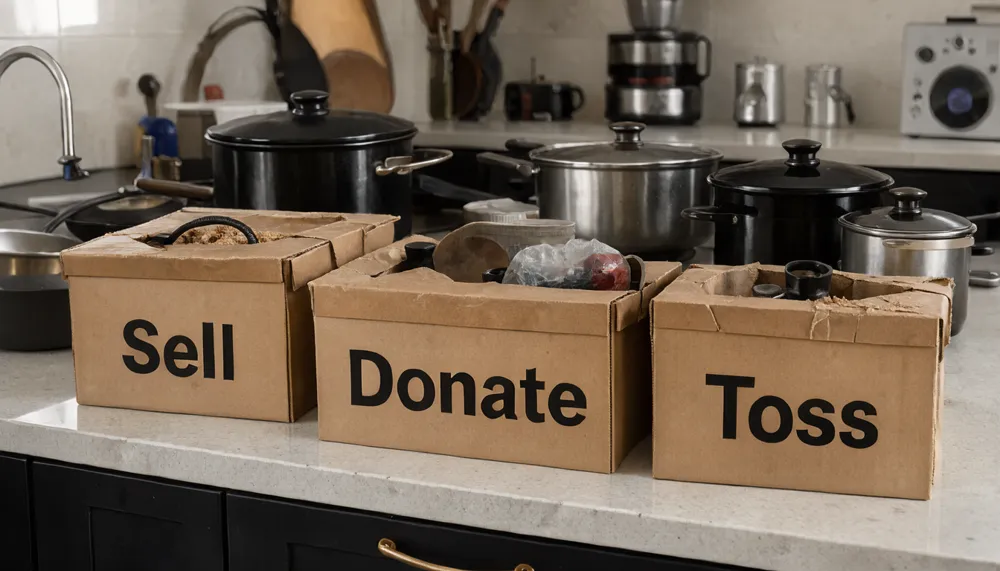 Decluttering Your Kitchen Before a Move: What to Sell, Donate, or Toss
 A Guide to Flea Markets, Second-Hand, and Charity Shops in Havana