
Decluttering Your Closet by Season for a Quick Sale
October 27, 2026
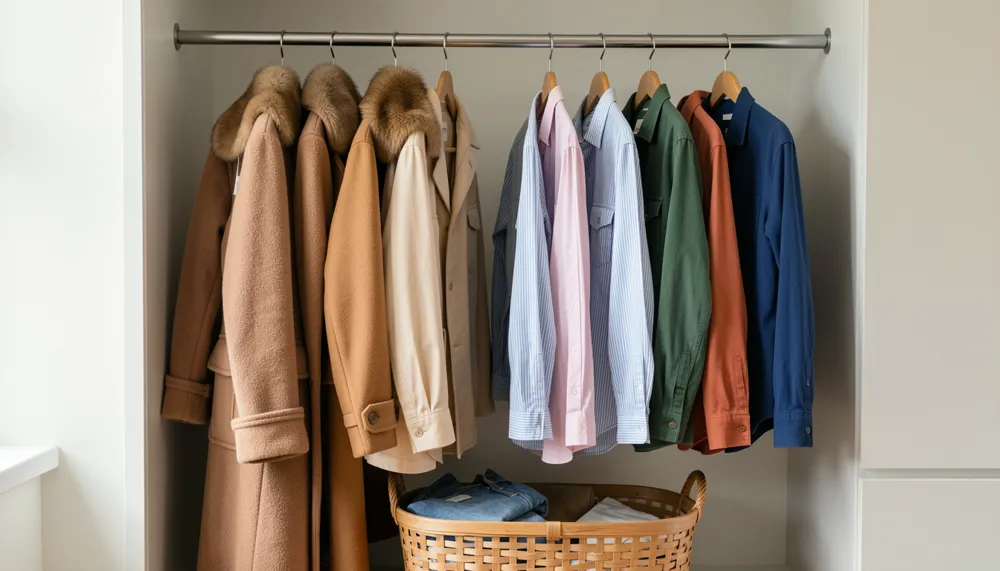
Selling clothes from your closet is a great way to refresh your wardrobe and earn some extra cash, but it can quickly become overwhelming if you try to tackle everything at once. The most effective strategy for a quick sale is to break the process down by season. By focusing on one season at a time, you can curate a cohesive collection that appeals to buyers looking for specific items, rather than dumping a random assortment of clothes onto a platform. This guide will walk you through the steps of seasonal decluttering, helping you identify what to keep, what to sell, and how to present your items to maximize interest and speed up transactions.
Why Seasonal Sorting Works
When buyers shop for second-hand clothing, they are often looking for specific items that fit the current weather or upcoming events. A buyer in late spring is unlikely to purchase a heavy wool coat, just as a buyer in autumn is not looking for linen shorts. By grouping your items by season, you align your inventory with buyer intent. This reduces the time your items sit unsold and helps you price them more accurately based on current demand.
Furthermore, seasonal sorting makes the physical act of decluttering less daunting. Instead of facing a mountain of mixed garments, you handle manageable batches. This mental shift is crucial for maintaining momentum. If you try to sell everything at once, you may burn out before you have photographed even half of your wardrobe. By focusing on one season, you can complete a full cycle of sorting, cleaning, and listing in a shorter timeframe, giving you a sense of accomplishment that encourages you to continue.
Timing Your Listings for Maximum Visibility
One of the most important aspects of seasonal selling is timing. You want to list items when buyers are actively searching for them. Generally, you should aim to list seasonal items four to six weeks before the season begins. This gives potential buyers enough time to browse, ask questions, and arrange shipping or pickup before they actually need the item.
For example, if you are in the Northern Hemisphere, you should start listing winter coats and sweaters in late summer or early autumn. Conversely, list swimsuits and light dresses in late winter or early spring. Keep in mind that customs and climate vary significantly by country. In tropical regions, the concept of "winter" may not apply in the same way, so focus on local holidays, travel seasons, or back-to-school periods instead. Always consider the local context of your target buyers. If you are selling internationally, be aware that seasons are reversed between the Northern and Southern Hemispheres. A buyer in Australia will be looking for summer clothes when you are looking for winter clothes in Canada.
The Three-Pile Method for Each Season
Once you have gathered all the items for a specific season, such as summer, you need to sort them into three distinct piles: Keep, Sell, and Donate/Discard. This method prevents decision fatigue and ensures that only high-quality items make it to the sales stage.
- Keep: These are items you wear regularly, love, and that fit well. Be honest with yourself. If you haven't worn it in the last year, it likely belongs in the Sell pile.
- Sell: These are items in good condition that you no longer wear but are still desirable to others. They should be clean, free of stains, and have all buttons and zippers intact. If an item has minor flaws, you can still sell it, but you must disclose them clearly.
- Donate/Discard: These are items that are too worn, stained, or outdated to sell. Check local donation centers for their acceptance criteria. Some centers only accept items in sellable condition, while others take textiles for recycling. If an item is beyond repair or donation, check if your local municipality has textile recycling programs.
Preparing Items for Sale
Before you take photos, you must prepare each item in the Sell pile. Buyers are more likely to purchase items that look well-cared-for. Start by washing or dry cleaning each piece according to the care label. Even if an item looks clean, a fresh wash removes odors and ensures it is ready to wear immediately upon arrival.
Next, inspect each item closely. Look for loose threads, missing buttons, pilling, or small stains. If you can easily fix a loose button or trim a thread, do so. If there is a stain, try to remove it. If the stain remains, decide if the item is still worth selling at a lower price. If the damage is significant, consider moving it to the Donate/Discard pile. Iron or steam each item to remove wrinkles. A crisp, wrinkle-free garment looks more valuable and professional in photos.
Taking Effective Photos
Photography is the most critical factor in selling clothes online. Buyers cannot touch or try on the items, so your photos must convey the fit, color, and condition accurately. You do not need professional equipment; a smartphone and natural light are sufficient.
- Lighting: Use natural daylight whenever possible. Avoid direct sunlight, which can create harsh shadows and distort colors. Indirect light from a window is ideal.
- Background: Choose a clean, neutral background. A plain white wall, a wooden floor, or a simple sheet works well. Avoid cluttered backgrounds that distract from the clothing.
- Angles: Take multiple photos. Include a front view, a back view, and close-ups of any details like buttons, patterns, or fabric texture. If you are comfortable, include a photo of the item on a hanger and a photo of it laid flat.
- Fit: If possible, show the item being worn. This helps buyers understand the fit and drape. If you prefer not to show your face, you can crop the photo or use a mannequin.
Writing Clear and Honest Descriptions
A good description complements your photos by providing essential details that buyers need to make a decision. Be concise but thorough. Include the brand, size, material, and condition. If you are selling internationally, remember that sizing standards differ by country. A size medium in the US may be different from a size medium in Europe or Asia. To avoid confusion, provide measurements in both inches and centimeters. Measure the chest, waist, hips, and length of the garment.
Be honest about any flaws. If there is a small stain or a missing button, mention it and include a close-up photo. Buyers appreciate transparency and are more likely to trust sellers who are upfront about condition. Use keywords that buyers might search for, such as "vintage," "boho," "minimalist," or "workwear," but only if they accurately describe the item. Avoid using all caps or excessive exclamation points, as this can make your listing look spammy.
Leveraging Local and Global Platforms
Once your items are prepared, you need to choose where to list them. There are many online marketplaces and local community groups where you can sell clothes. Some platforms are better for high-end designer items, while others are suited for everyday casual wear. Research which platforms are popular in your region and among your target demographic.
If you are selling locally, consider using community boards or neighborhood apps. These allow for cash transactions and immediate pickup, which can speed up the sale. For wider reach, use national or international shipping platforms. Be sure to factor shipping costs into your pricing. If you are selling internationally, check customs regulations for your country and the buyer's country. Some countries have strict rules about importing used clothing, and buyers may be responsible for import taxes. Clearly state who is responsible for shipping and any potential customs fees in your listing to avoid disputes later.
For those who prefer a visual approach to finding local sellers, Bazarmap shows such posts on a free live map, allowing you to see what is available in your immediate area without needing to search through endless lists. This can be particularly useful for bulky items or when you want to inspect goods in person before buying.
Conclusion
Decluttering your closet by season is a strategic approach to selling clothes that saves time and increases your chances of a quick sale. By timing your listings correctly, preparing items thoroughly, and presenting them with clear photos and honest descriptions, you create a professional and appealing inventory. Remember to adapt your strategy to local customs and climate differences, especially if you are selling to an international audience. Start with one season, complete the process, and use the momentum to tackle the next. With consistency and attention to detail, you can turn your unused wardrobe into a streamlined, profitable process.
 A Guide to Second-Hand Shopping in Hamburg
 A Guide to Second-Hand Shopping and Flea Markets in Kyiv
 Polite Phrases to Negotiate Prices at Flea Markets
 A Guide to Flea Markets, Second-Hand Shops, and Charity Stores in Hong Kong
 How to Give Away Houseplants Responsibly to New Owners
 A Guide to Flea Markets and Second-Hand Shopping in Lugulu, Kenya