
Polite Phrases to Negotiate Prices at Flea Markets
October 26, 2026
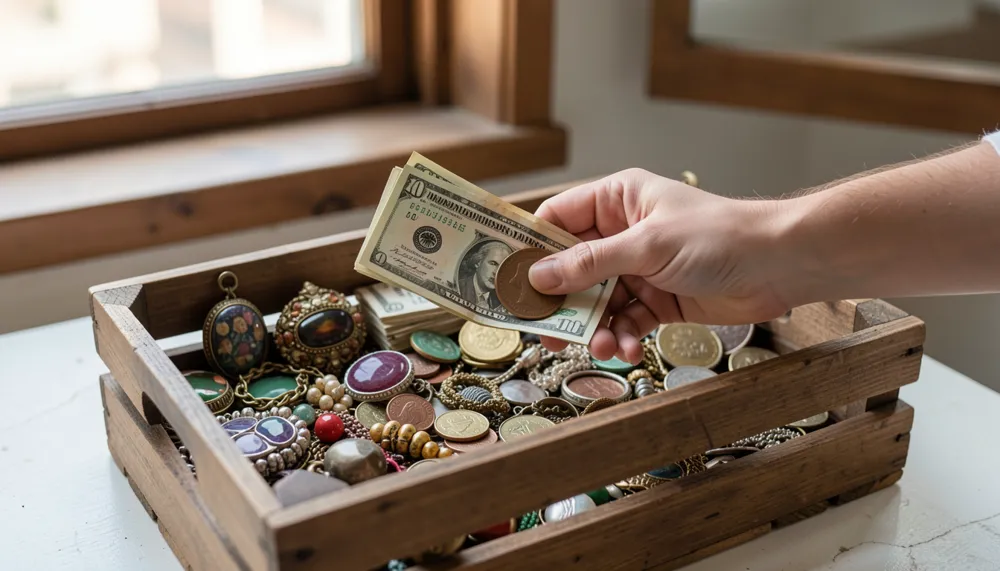
Flea markets are vibrant hubs of culture, history, and unique finds. From vintage clothing to handmade crafts and antique furniture, these open-air markets offer treasures that cannot be found in standard retail stores. However, the price tag is often just the starting point of a conversation. For many travelers and locals alike, the art of bargaining can feel intimidating. Will it be rude? Will I offend the vendor? Will I lose the item I love?
The truth is, in many parts of the world, negotiation is not only expected but welcomed as a social interaction. It is a dance of respect, curiosity, and mutual benefit. This guide provides you with polite phrases and practical strategies to negotiate prices confidently and courteously. Whether you are haggling for a rug in Istanbul, a piece of jewelry in Marrakech, or a vintage jacket in London, understanding the nuances of polite bargaining will enhance your experience and help you secure fair deals.
Understanding the Cultural Context
Before you open your mouth to negotiate, it is crucial to understand where you are. Bargaining customs vary significantly by region and even by the specific type of market. In many Middle Eastern, North African, and South Asian countries, haggling is a standard part of the shopping experience. Vendors often expect you to start with a lower offer, and the final price will settle somewhere in the middle. In these contexts, refusing to negotiate might actually be seen as odd or even slightly rude, as it bypasses the social ritual of the transaction.
Conversely, in many Western European and North American flea markets, prices are often fixed or only slightly flexible. Here, aggressive haggling can be perceived as disrespectful, especially if the vendor has clearly marked the price. In these settings, polite inquiries about discounts for multiple items or minor flaws are more appropriate than demanding a lower price. Always observe the atmosphere. If other customers are negotiating, it is likely acceptable for you to do so as well. If everyone is paying the listed price, proceed with caution and keep your requests modest.
The Importance of a Warm Opening
Negotiation should never start with a demand. It should start with a connection. Vendors are people, and they are more likely to offer a discount to someone who shows genuine interest and respect for their goods. Begin your interaction with a friendly greeting and a compliment. This sets a positive tone and signals that you are a serious buyer who appreciates the item.
Instead of pointing at an item and asking for the price immediately, pick it up gently, examine it, and comment on its quality or uniqueness. This demonstrates that you value the object, not just the price tag. When you are ready to discuss the cost, use polite introductory phrases that invite conversation rather than confrontation. Remember, the goal is to reach an agreement that leaves both parties feeling good about the transaction.
Essential Phrases for Starting the Conversation
Once you have established a friendly rapport, you can begin to discuss the price. The key is to use open-ended questions that allow the vendor to make the first move or to invite them to share their flexibility. Avoid blunt statements like "Too expensive" or "Lower it." Instead, use softer language that expresses your interest while hinting at your budget.
Here are some polite phrases to help you start the negotiation:
- "I really love this piece. Is there any flexibility on the price?"
- "This is beautiful. What is your best price for it?"
- "I am interested in buying this, but it is slightly over my budget. Could we work something out?"
- "Do you have any other items in this style that might be more affordable?"
- "I have been looking for something like this for a while. Is this your final price?"
These phrases are non-confrontational and give the vendor room to respond. They also show that you are willing to engage in a dialogue rather than just demanding a discount.
Making a Counter-Offer Respectfully
If the vendor states a price that is higher than you hoped to pay, you can make a counter-offer. The general rule of thumb in cultures where bargaining is common is to start with an offer that is roughly 50% to 70% of the asking price, depending on the item and the location. However, always gauge the vendor's reaction. If they look offended, you may have gone too low. If they smile and counter with a slightly lower price, you are on the right track.
When making your offer, be clear but polite. You can say:
- "Would you consider [your price] for it?"
- "I can offer [your price] if that works for you."
- "I have [your price] in my pocket right now. Would you take that?"
It is helpful to have small bills ready. Showing that you have the exact amount you are offering can sometimes be persuasive, as it suggests you are ready to buy immediately. However, do not use this as a trick. If the vendor says no, accept it gracefully. You can always try to negotiate again later or move on to another stall.
Negotiating for Multiple Items
One of the most effective ways to secure a discount without offending the vendor is to buy multiple items. Vendors are often more willing to lower the price per item if they can move more inventory. This is a win-win situation: you get a better deal, and they get a larger sale.
When you are interested in more than one item, bundle them together and ask for a package price. Use phrases like:
- "If I take both of these, could you give me a better price?"
- "I am interested in these three items. What would you charge for the lot?"
- "Do you offer a discount if I buy multiple pieces?"
This approach is particularly effective at flea markets where vendors have many similar items. It shows that you are a serious buyer and helps the vendor clear their stock. Even in markets where haggling is less common, asking for a "bundle discount" is usually seen as a reasonable request.
Knowing When to Walk Away
Sometimes, despite your best efforts, the vendor will not budge on the price. This is a normal part of the process. If you feel the price is still too high, you can politely walk away. This is not a rude gesture; it is a standard part of negotiation in many cultures. Often, the vendor may call you back with a better offer. If they do not, you have lost nothing but a few minutes of your time.
When walking away, remain polite and friendly. Do not slam items down or make negative comments. Simply say:
- "Thank you for your time. I will think about it."
- "I appreciate your help. I will look around a bit more."
- "Maybe another time. Thanks anyway."
If you decide to leave, do so with a smile. You might change your mind and return later, and you want to leave a positive impression. If you do return, you can resume the conversation from where you left off. Sometimes, a short break is all that is needed for both parties to reconsider their positions.
Respecting the Final Agreement
Once you and the vendor have agreed on a price, honor it. Do not try to squeeze out one last discount after the deal is struck. This can sour the relationship and is considered poor etiquette in most cultures. Pay the agreed amount promptly and thank the vendor for their time and their goods.
If you are buying from a market that uses a digital platform to help locate stalls, such as Bazarmap, which shows such posts on a free live map, you might find that some vendors are more accustomed to modern interactions. However, the fundamental rules of respect and politeness remain the same regardless of how you found the stall. Always ensure you have the correct currency and small change if possible, as this speeds up the transaction and shows consideration for the vendor's time.
Conclusion
Negotiating at flea markets is a skill that improves with practice and cultural awareness. By approaching vendors with respect, using polite phrases, and understanding the local customs, you can enjoy the thrill of the hunt while securing fair prices. Remember that the goal is not just to save money, but to engage in a meaningful human interaction. Whether you are in a bustling souk or a quiet weekend market, a smile and a courteous request go a long way. Happy bargaining!
 A Guide to Second-Hand Shopping and Flea Markets in Kyiv
 A Guide to Flea Markets, Second-Hand Shops, and Charity Stores in Hong Kong
 How to Give Away Houseplants Responsibly to New Owners
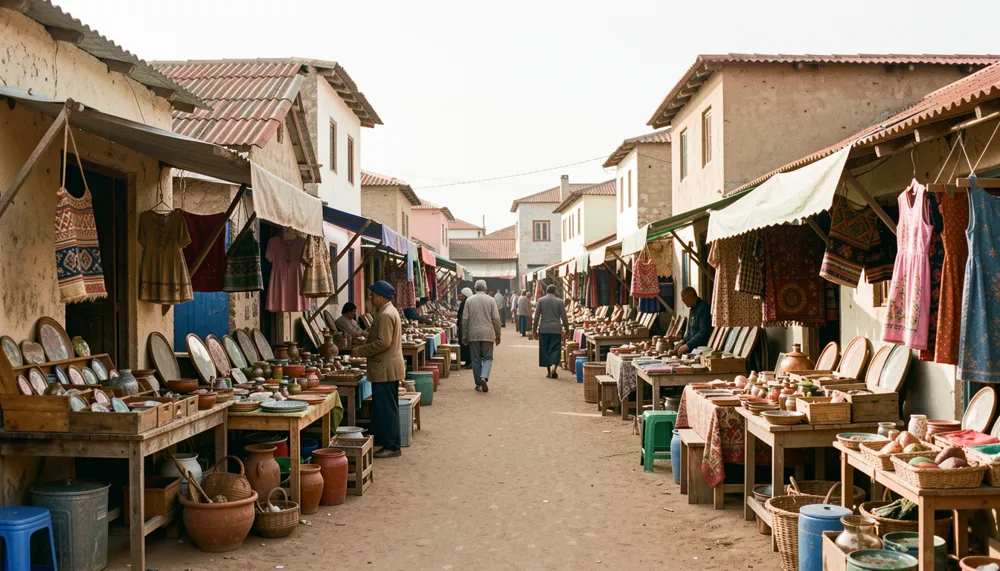 A Guide to Flea Markets and Second-Hand Shopping in Lugulu, Kenya
 What to Check When Buying Second-Hand Kitchenware
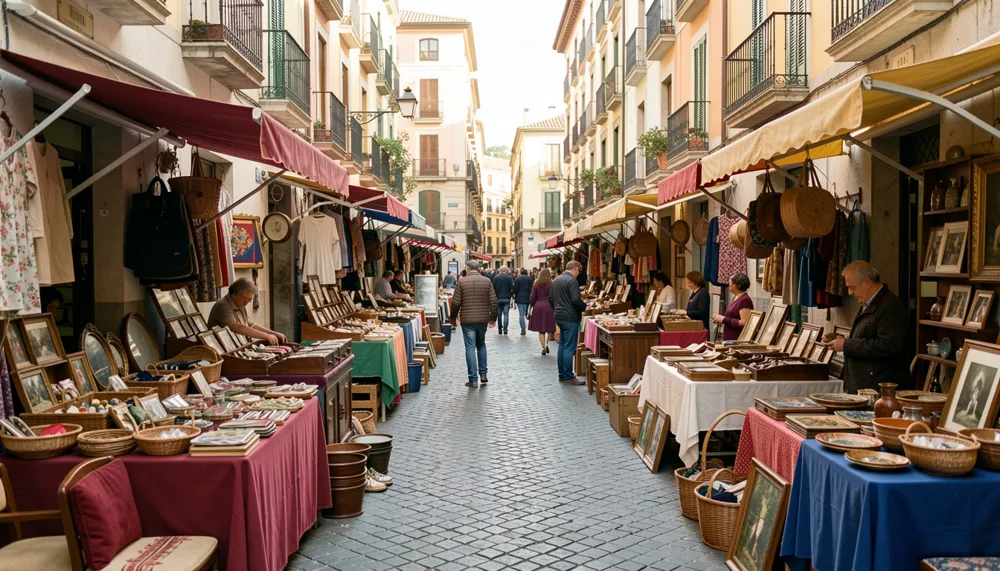 A Guide to Second-Hand Shopping in Barcelona