
Guide to Second-Hand Shopping in Kakamega
October 4, 2026
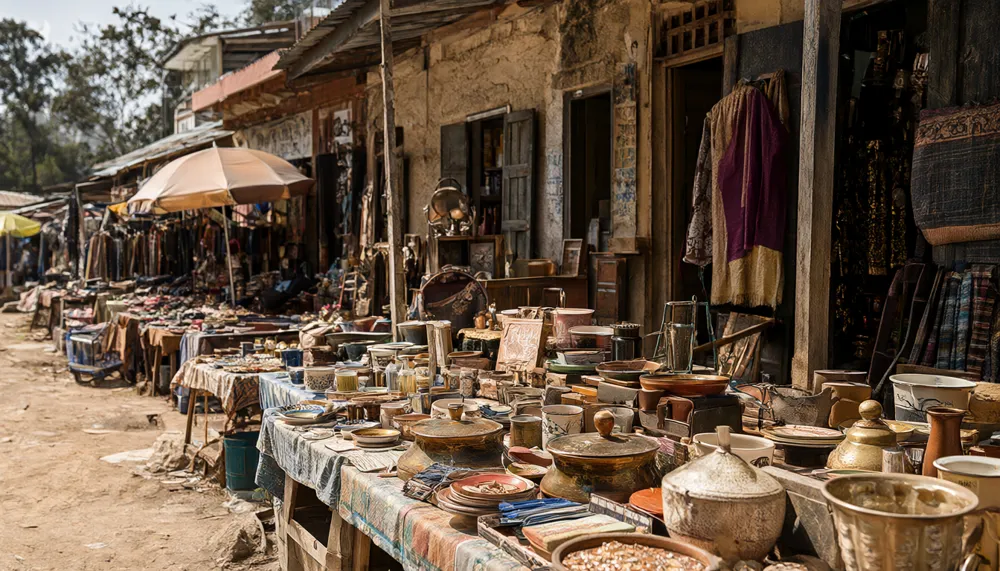
Planning a successful day of second-hand shopping in Kakamega requires a blend of early preparation and flexible routing. The town offers a diverse array of venues, from structured shopping centers to bustling open-air markets, each catering to different needs and budgets. Whether you are looking for household goods, clothing, or unique finds, understanding the layout and character of these locations will help you maximize your time and find quality items. This guide outlines how to navigate the specific venues available in the area, grouping them by type to help you choose the right destination for your shopping goals.
Structured Shopping Centers
For shoppers who prefer a more organized environment, several shopping centers in Kakamega provide a centralized location for browsing various goods. These venues often house multiple vendors under one roof, making it easier to compare prices and items without traveling between distant locations. Ikonyero Shopping Center and Sinaga Shopping Centre are prominent examples where you can find a mix of new and used items. Similarly, Nango Shopping Centre and Kodiaga Shopping Centre offer convenient stops for those seeking specific household necessities or clothing. Matore Shopping Centre and Shibuye Shopping Centre also serve as reliable hubs for general merchandise. When visiting these centers, it is advisable to arrive early to secure the best selections before the midday rush. While these centers provide a structured experience, remember that hours may change, so checking ahead is always wise.
Major Local Markets
Kakamega’s traditional markets are the heart of local commerce, offering a vibrant atmosphere and a wide variety of goods. Mutumbu Market is a central hub known for its extensive range of products, including second-hand clothing and household items. Nearby, Siguhu and Owila markets provide additional options for those exploring the northern parts of the town. Minyowo and Sipoklo markets are also significant stops, often featuring fresh produce alongside second-hand goods. For those in the western areas, Rarieda A and Muhanda markets offer accessible alternatives. Anyiko and Rabuor markets further expand the options for shoppers looking for diverse inventory. Sagam and Yala Old Market are well-known spots where you can find everything from textiles to electronics. These markets typically operate on busy schedules, so arriving in the morning often yields the best deals and freshest stock.
Neighborhood and Junction Markets
Many smaller markets are situated at key junctions or within specific neighborhoods, serving local communities with convenient access to second-hand goods. Ndege Olwar market and Kwajairo market are examples of localized spots that cater to nearby residents. Barko Market and Masene Market offer quick stops for essential items without the need to travel far. Khwisero Shopping Centre and Ikolomani Market provide structured yet local options for those in their respective areas. Mahanga Market and Bukuga Market are further examples of neighborhood hubs where you can find practical goods. Yala Old market and Malaha Market continue this trend of localized convenience. Maraba Market and Bukolwe Junction Market are situated at strategic points, making them easy to include in a broader shopping route. Butere Upper Market and Butere Lower Market serve the southern areas, offering distinct inventories for locals and visitors alike.
Community and Health-Center Adjacent Markets
Some markets are closely tied to community centers or health facilities, providing a unique shopping experience that blends daily necessities with community interaction. Harambee Muyala Market and Shikunga Junction Market are examples of venues that serve as community gathering points. Emusunguri ACK Market and Bukura Market offer goods in areas with strong community ties. Shiatsala Market and Mahondo Market provide localized options for residents seeking quick purchases. Manyulia Market and Emung'weso Market are further examples of community-focused venues. Emulole Market and Mwitseshe Market continue this pattern, offering accessible shopping for local neighborhoods. Ekonjero Market and Emasatsi Market are also notable for their community integration. Elwangale Health Centre Market stands out for its proximity to health services, making it a convenient stop for those visiting the area for medical reasons.
Junction and Transit-Oriented Markets
Markets located at junctions or transit points are ideal for shoppers who are already on the move or combining errands. Munjiti Junction Market and Mutobera Market are situated at key intersections, facilitating easy access for travelers. Ikoli Shopping Centre and Mutono Market offer similar convenience for those passing through specific routes. Musango Market and Okwara Junction Market are further examples of transit-oriented venues. Muyundi Market and Marenyo Market provide quick stops for essential items. Ematundu Weighbridge Market is uniquely positioned near transport infrastructure, catering to drivers and commuters. Sinyulu Market and Eshianda Market offer additional options for those traveling along major roads. Khutinga Market and Mukoye Market are also accessible from main routes, making them practical choices for a quick shopping trip.
Tips for Selling Your Own Items
If you are planning to sell your own items at a garage sale or within these markets, preparation is key to a successful experience. First, ensure your items are clean and neatly arranged, as presentation significantly impacts buyer interest. Bring sufficient change, as many buyers may pay in cash and small denominations are often appreciated. Arrive early to secure a good spot, especially in busy markets like Mutumbu Market or Ikonyero Shopping Center. Be prepared to negotiate prices, as bargaining is a common practice in these venues. Keep your inventory organized and labeled clearly to help buyers find what they need quickly. Finally, stay flexible with your schedule, as foot traffic can vary throughout the day. By following these simple steps, you can effectively sell your goods and contribute to the vibrant local commerce scene.
Conclusion
Kakamega offers a rich tapestry of shopping venues, from structured centers like Sinaga Shopping Centre to bustling hubs like Mutumbu Market. By grouping these locations by type and understanding their unique characteristics, you can plan an efficient and enjoyable shopping day. Whether you are buying or selling, arriving early, staying organized, and respecting local customs will enhance your experience. Remember that opening hours may change, so flexibility is essential. With this guide, you are well-equipped to navigate the diverse market landscape of Kakamega and find exactly what you are looking for.