
Moving Sale Guide: Sell Most of Your Things in One Weekend
October 1, 2026
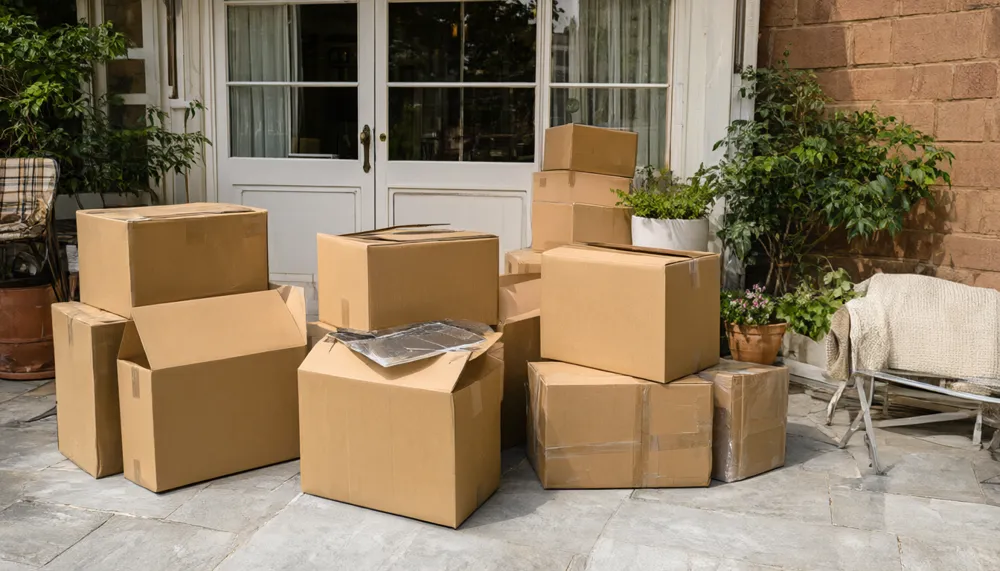
Moving house is often less about the physical act of transporting boxes and more about the mental load of deciding what to keep. For many people, the sheer volume of possessions accumulated over years can feel overwhelming. A moving sale is an efficient strategy to lighten your load, generate extra cash, and ensure your belongings find new homes rather than ending up in a landfill. While the ideal scenario might involve months of careful planning, life rarely allows for such luxury. This guide focuses on how to execute a successful moving sale within a single weekend, helping you sell the majority of your items quickly and efficiently. The approach is designed to be universal, though readers should note that customs regarding haggling, appointment scheduling, and payment methods vary significantly by country. In some regions, fixed prices are the norm, while in others, negotiation is expected. Understanding these local nuances is part of the preparation process.
Assess and Sort with Ruthless Efficiency
The first step in any successful moving sale is a rapid but thorough assessment of your inventory. You do not have time to curate a museum-quality collection. Instead, adopt a triage mindset. Grab three large bins or bags: one for "Sell," one for "Donate," and one for "Discard." Walk through each room and make quick decisions. If you have not used an item in the last year, it likely belongs in the Sell or Donate bin. Be honest about your lifestyle. If you are moving to a smaller apartment, bulky furniture may no longer fit, regardless of its sentimental value.
During this sorting phase, keep your environment organized. Do not mix categories randomly. Group similar items together, such as all kitchenware in one pile and all clothing in another. This grouping will save you significant time later when you are photographing and listing items. It also helps buyers visualize how the items might fit into their own spaces. Remember that the goal is volume and speed, not perfection. If an item is broken beyond repair or heavily stained, place it directly in the Discard bin. Do not waste time trying to sell items that require extensive cleaning or repair unless you have the time to do so beforehand. For most people, a quick wipe-down is sufficient.
Prepare Items for Maximum Appeal
Once you have sorted your items, the next phase is preparation. This step is crucial because presentation directly impacts how quickly items sell. Start by cleaning everything. Dust shelves, wipe down tables, and wash linens. A clean item looks well-cared-for and suggests quality to potential buyers. If you are selling clothing, ensure it is ironed or steamed. Wrinkled clothes often look cheap, even if they are high-quality brands.
Check all electronics to ensure they power on and function correctly. Include necessary cables and chargers, as missing accessories can deter buyers. For furniture, check for stability and clean any visible stains. If you are selling books, remove any dust jackets that are torn or heavily worn, as these can detract from the appearance of the book.
Grouping items into bundles is a powerful strategy for moving sales. Instead of selling individual mugs or single shirts, create bundles. For example, sell a set of four matching plates together, or bundle five similar sweaters. Bundles appeal to buyers who want to furnish a room or update a wardrobe quickly without making multiple trips. This approach also reduces the number of individual listings you need to manage, streamlining your workflow.
Create Clear and Concise Listings
With your items prepared, it is time to list them. Whether you are using online platforms, community boards, or physical signs, clarity is key. Buyers are often browsing quickly, so your listings need to convey essential information at a glance. Start with a clear title that describes the item and its condition. For example, "Solid Oak Dining Table, Good Condition" is better than just "Table."
Photography plays a vital role in attracting buyers. Use natural light whenever possible, as it provides the most accurate color representation. Take photos against a plain background to avoid visual clutter. Include multiple angles: front, side, and close-ups of any details or minor imperfections. Honesty about condition builds trust and reduces the likelihood of disputes later. If there is a scratch on a table leg, photograph it and mention it in the description.
In your description, include dimensions, material, and age if known. Mention if the item is from a smoke-free home, as this is a common concern for buyers. Keep descriptions concise but informative. Avoid overly flowery language. Focus on facts. If you are using a platform like Bazarmap, which shows such posts on a free live map, ensure your location pin is accurate so nearby buyers can find you easily. This visibility can significantly increase foot traffic during your sale weekend.
Set Strategic Pricing
Pricing is often the most challenging aspect of selling used goods. The goal is to sell quickly, not to maximize profit. A common mistake is pricing items too high based on their original retail value. Remember, buyers are purchasing used items, and they expect a discount. A good rule of thumb is to price items at 30-50% of their original cost, depending on condition and brand recognition.
Consider the psychology of pricing. Round numbers are easier to process and often perceived as fairer. Avoid odd cents unless necessary. If you are selling in a region where haggling is customary, leave a small margin for negotiation. For example, if you want $20 for an item, list it at $25. This allows the buyer to feel they got a deal while you still receive your desired amount. In regions where fixed pricing is preferred, be clear that prices are non-negotiable to avoid lengthy discussions.
Offer bundle discounts to encourage larger purchases. For instance, "Buy any three items for $15." This incentivizes buyers to take more items at once, reducing the number of transactions you need to handle. It also helps clear out smaller items that might otherwise linger unsold. Remember, your primary goal is to empty your space, not to squeeze every last dollar from each item. Speed is your ally.
Manage Logistics and Communication
Effective communication is essential for a smooth sale weekend. Respond to inquiries promptly. If you are using messaging apps or email, check them regularly throughout the day. Delayed responses can lead to lost sales, especially if buyers are comparing multiple listings.
Set clear pickup times. Instead of allowing random arrivals, schedule specific slots for buyers. This prevents overcrowding and ensures you have enough time to handle each transaction efficiently. If you are selling in a shared space, such as an apartment building hallway, check with your neighbors or building management to ensure your sale does not cause inconvenience. In some countries, it is polite to offer a small refreshment or a quick greeting to buyers, while in others, efficiency and brevity are appreciated.
Prepare your space for pickup. Keep pathways clear and organize items by category or size. Have a dedicated area for packing items once they are sold. If you are selling fragile items, have bubble wrap or newspaper ready for wrapping. For larger furniture, have a dolly or moving straps available to help buyers load their vehicles. This small effort can make your sale more attractive compared to competitors who offer no assistance.
Handle Payments and Final Steps
Decide on your preferred payment method before the sale begins. Cash is often preferred for its immediacy and lack of transaction fees, but digital payments are increasingly common. Ensure you have a way to accept both if possible. If you are accepting digital payments, make sure your account is set up and tested beforehand.
During the sale, keep a simple log of sold items. This helps you track what remains and prevents double-selling. If you are selling online and in-person simultaneously, update your listings promptly after a sale.
At the end of the weekend, assess what remains. If you have not sold everything, consider lowering prices slightly for the remaining items. Alternatively, donate unsold items to local charities or shelters. Many organizations accept donations on short notice, especially during moving seasons. This ensures your belongings are reused rather than discarded.
Finally, take a moment to appreciate your progress. A moving sale is physically demanding and mentally taxing. By following these steps, you have likely cleared a significant portion of your belongings, generated extra funds, and simplified your move. The process may feel rushed, but the efficiency gained allows you to focus on settling into your new home with less clutter and more clarity.
Conclusion
Executing a moving sale in one weekend is achievable with the right mindset and preparation. By sorting ruthlessly, preparing items well, creating clear listings, pricing strategically, and managing logistics efficiently, you can sell most of your belongings quickly. Remember to adapt your approach to local customs regarding communication and payment. The goal is not perfection but progress. With these strategies, you can transform a chaotic moving process into a streamlined, productive experience, leaving you with less clutter and more freedom as you begin your next chapter.
 Guide to Second-Hand Shopping in Chattogram
 Car Boot Sales: How to Sell and Buy Like a Regular
 A Guide to Second-Hand and Market Shopping in Chengdu
 Buying second-hand to resell: a realistic beginner's guide