
Second-hand and charity shop shopping: 12 tips from regulars
October 4, 2026
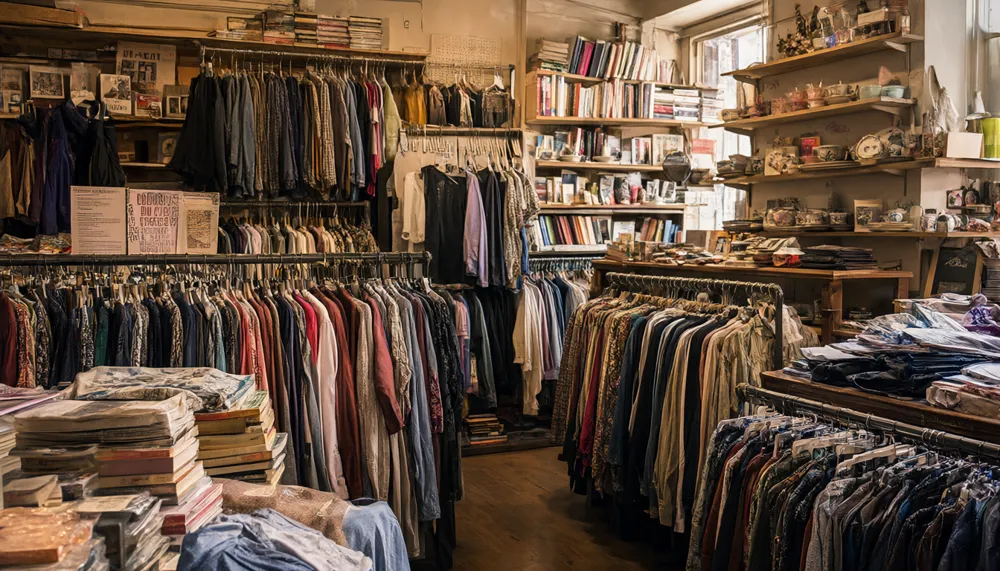
Shopping in second-hand stores and charity shops has evolved from a necessity into a sustainable lifestyle choice embraced by millions worldwide. Whether you are hunting for vintage fashion, durable home goods, or unique accessories, the thrill of the hunt lies in finding hidden gems among pre-loved items. However, navigating these spaces can sometimes feel overwhelming, especially when inventory changes rapidly and standards vary by location. This guide compiles twelve essential tips from experienced shoppers to help you maximize your time, budget, and environmental impact. By understanding how these shops operate and adopting a few strategic habits, you can transform your browsing experience into a rewarding treasure hunt that aligns with your personal style and values.
Understand the Local Context and Shop Types
Before diving into specific tactics, it is crucial to recognize that the concept of second-hand shopping varies significantly across different regions. In some countries, charity shops are strictly tied to religious or non-profit organizations, offering goods at very low prices to support community services. In others, second-hand markets may be more commercialized, focusing on curated vintage or high-end resale. Understanding this distinction helps set realistic expectations for pricing and inventory quality. For instance, in many European cities, charity shops are ubiquitous and highly organized, while in other parts of the world, open-air markets or flea markets might serve as the primary venues for second-hand goods. Always observe how the local culture approaches resale; in some places, haggling is expected and encouraged, while in others, fixed prices are the norm. Adapting your approach to these local customs ensures a smoother interaction with shop assistants and fellow shoppers.
Arrive Early for the Best Selection
Timing is often the most critical factor in successful second-hand shopping. Most charity shops and thrift stores restock their shelves early in the morning or immediately after receiving donations. Arriving shortly after opening allows you to browse through fresh inventory before it is picked over by other shoppers. This is particularly important for high-demand items like winter coats, designer accessories, or specific home decor pieces. If you live in a busy urban area, the best items may disappear within hours of being placed on the floor. Conversely, if you prefer a quieter browsing experience, late afternoon might offer a more relaxed atmosphere, though the selection will likely be smaller. Experiment with different times to find what works best for your schedule and local shop rhythms.
Inspect Items Thoroughly Before Buying
Unlike new retail environments, second-hand items come with a history that may include minor wear and tear. Developing a keen eye for condition is essential. Always check seams, buttons, and zippers for functionality. Look for stains, holes, or fading that might affect the longevity of the item. For electronics, ensure that all ports work and that the battery holds a charge if possible. For clothing, check for pilling or thinning fabric. While some flaws add character, others may require immediate repair. A quick inspection saves you from buying items that will end up in the back of your closet unused. If the shop allows returns, familiarize yourself with their policy, but assume most sales are final to encourage careful selection.
Master the Art of the Quick Scan
Efficiency is key when dealing with large volumes of inventory. Experienced shoppers develop a rapid scanning technique to identify potential treasures without getting bogged down by every single item. Start by categorizing your search mentally: are you looking for neutral tones, specific patterns, or particular fabrics? Move through racks systematically, pulling items that meet your basic criteria and setting aside those that do not. Avoid trying on every piece immediately; instead, gather a small stack of promising items and then try them on together. This method prevents decision fatigue and helps you compare options side-by-side. Remember that the goal is to find items that fit your existing wardrobe or home aesthetic, not to buy everything that catches your eye.
Embrace the Try-On Process Strategically
Trying on clothes in charity shops can be challenging due to limited mirror space and varying lighting conditions. To make the most of this process, bring a small handheld mirror if the shop does not provide one. Check how the item looks from different angles and under different light sources. Pay attention to how the fabric feels against your skin and how the garment moves when you walk. For shoes, walk around the store briefly to test comfort. If you are shopping for home goods, visualize where the item will sit in your space. Taking photos with your phone can help you remember how items looked when you return home to decide whether to keep them. This step ensures that purchases are practical and well-suited to your lifestyle.
Negotiate Respectfully Where Appropriate
In many cultures, bargaining is an integral part of the shopping experience, especially in open-air markets and independent second-hand stores. If you are in a region where haggling is common, approach negotiations with respect and clarity. Start by offering a reasonable price based on the item’s condition and your budget. Listen to the seller’s perspective and aim for a mutually beneficial agreement. In fixed-price charity shops, negotiation may not be applicable, but you can still ask about discounts for bulk purchases or loyalty programs. Always be polite and patient, as these interactions reflect the community spirit often associated with charity shopping. Remember that the goal is to support the cause while securing a fair deal for yourself.
Organize Your Wardrobe Before Shopping
One of the most effective ways to avoid impulse buys is to know exactly what you need. Before heading to the store, review your current wardrobe and identify gaps. Are you missing a versatile blazer, a pair of comfortable jeans, or a specific color of scarf? Creating a mental or physical list helps focus your search and prevents accumulating duplicates. This strategy is particularly useful in charity shops where inventory is unpredictable. By targeting specific items, you reduce the time spent browsing and increase the likelihood of finding pieces that integrate seamlessly into your existing collection. This disciplined approach also supports sustainable consumption by ensuring that every purchase serves a purpose.
Check for Quality Materials and Construction
Second-hand shopping offers the opportunity to find high-quality materials that may be rare in fast-fashion retailers. Look for natural fibers like cotton, wool, linen, and silk, which tend to age gracefully and withstand repeated washing. Check the stitching quality; tight, even seams indicate better construction. For furniture, examine the joints and wood grain for stability and durability. Investing in well-made items means they will last longer, reducing the need for frequent replacements. This focus on quality over quantity aligns with sustainable practices and ensures that your purchases provide long-term value. Prioritize items that feel substantial and well-crafted, even if they require a slightly higher initial investment.
Utilize Digital Tools for Discovery
While browsing in person is rewarding, digital tools can enhance your shopping experience. Many local shops and marketplaces have online listings or social media pages where they post new arrivals. Following these accounts can alert you to restocks or special sales events. Additionally, apps and websites that aggregate second-hand listings can help you compare prices and availability across different locations. Bazarmap shows such posts on a free live map, helping users visualize nearby options and plan efficient routes. Using these tools allows you to target specific stores with relevant inventory, saving time and increasing your chances of finding desired items. Combine online research with in-person visits for a comprehensive shopping strategy.
Support Local Communities and Causes
Charity shops often support local initiatives, from animal shelters to educational programs. Understanding where your money goes can add meaning to your purchases. Take a moment to read about the organization behind the shop or ask staff about their mission. This connection fosters a sense of community involvement and encourages continued support for local causes. By choosing to shop second-hand, you contribute to a circular economy that reduces waste and supports charitable work. This holistic approach to shopping emphasizes the broader impact of your choices, making each purchase a meaningful contribution to your community and the environment.
Maintain a Sustainable Mindset
Second-hand shopping is inherently sustainable, but maximizing its benefits requires mindful habits. Choose items that are versatile and timeless, avoiding trends that may quickly become outdated. Care for your purchases properly to extend their lifespan, following care labels and storing items correctly. When you no longer need an item, consider donating it back to a charity shop or passing it along to friends. This cycle of reuse reinforces the value of second-hand goods and promotes a culture of sustainability. By embracing these practices, you contribute to a more responsible consumption model that benefits both individuals and the planet.
Conclusion
Second-hand and charity shop shopping offers a unique blend of sustainability, affordability, and discovery. By adopting these twelve tips, you can navigate these spaces with confidence and efficiency. Whether you are seeking vintage fashion or practical home goods, a strategic approach ensures that your purchases are thoughtful and valuable. Remember to respect local customs, inspect items carefully, and support community initiatives. With patience and practice, you will develop a keen eye for quality and style, making every shopping trip a rewarding experience. Embrace the journey of finding unique treasures that reflect your personality while contributing to a more sustainable future.