
Selling Antique Furniture: Local Pickup vs. Shipping for Online Buyers
November 9, 2026
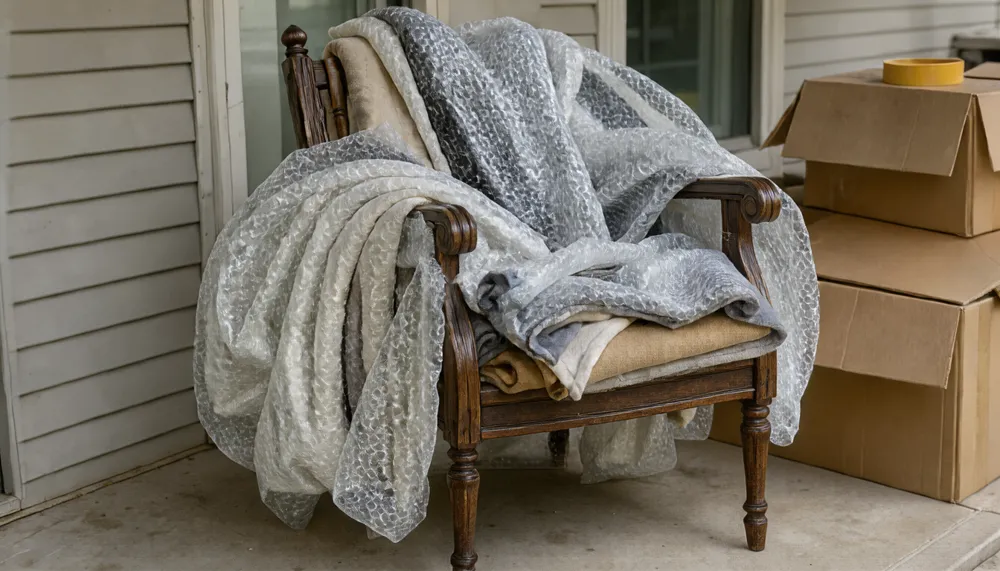
Selling antique furniture online presents a unique logistical challenge compared to selling smaller collectibles or modern home goods. The items are often heavy, bulky, fragile, and irreplaceable. As a seller, you must decide whether to limit your market to local buyers who can pick up the item themselves or to expand your reach by offering shipping. This decision impacts your pricing, your risk exposure, and the type of buyer you attract. This guide explores the pros and cons of both approaches, helping you structure your listings to minimize friction and maximize successful transactions.
Understanding the Nature of Antique Furniture
Before deciding on a delivery method, it is essential to recognize why antique furniture is difficult to ship. Unlike mass-produced modern furniture, antiques often have unique dimensions, non-standard shapes, and delicate finishes that are susceptible to damage from vibration, temperature changes, and humidity. Many pieces are made of solid wood that can crack if not packed correctly, or they may have loose joints, veneers, or glass components that require specialized crating.
Because of these characteristics, the cost of shipping can sometimes approach or even exceed the value of the item itself, particularly for lower-value antiques. This economic reality often pushes sellers toward local pickup for smaller or less valuable pieces. However, for rare or high-value items, the potential buyer pool is global, making shipping a necessary evil. Understanding the physical vulnerabilities of your specific item is the first step in choosing the right logistics strategy.
The Case for Local Pickup
Local pickup is the most straightforward method for selling antique furniture. It eliminates the need for professional packing materials, shipping labels, and carrier negotiations. For the seller, the primary advantage is control. You can meet the buyer at your home or a neutral location, allowing them to inspect the item thoroughly before payment is finalized. This reduces the likelihood of post-sale disputes regarding condition, as the buyer has accepted the item in person.
From a financial perspective, local pickup keeps the total cost lower for the buyer. They do not have to pay for freight services, insurance, or handling fees. This can make your listing more attractive compared to competitors who include high shipping costs in their final price. Additionally, local transactions often allow for cash or immediate bank transfers, reducing the risk of payment fraud associated with online escrow services.
However, local pickup does have limitations. It restricts your audience to people within a reasonable driving distance. If you live in a rural area, this might mean very few potential buyers. Furthermore, coordinating schedules can be time-consuming. You may need to accommodate buyers who want to see the item multiple times or bring a partner or appraiser with them. To streamline this process, be clear in your listing about whether you offer "curbside pickup" or if the buyer needs to bring their own help to load the item.
Navigating the Complexities of Shipping
Shipping antique furniture opens your sales channel to a national or international audience, but it introduces significant complexity. The first hurdle is determining the correct shipping method. Small items like chairs or side tables might fit in standard parcel carriers if properly boxed, but larger pieces like armoires, dining tables, or sofas usually require freight services. Freight shipping is priced by weight and dimensions, and it often involves a "liftgate" fee if the buyer does not have a loading dock.
Packing is the most critical aspect of shipping antiques. A simple bubble wrap and cardboard box approach is rarely sufficient for valuable pieces. You may need to disassemble legs, remove drawers, and wrap components in moving blankets before placing them in custom wooden crates. If you are not experienced in packing, you might consider hiring a professional packer or using a white-glove shipping service. While this increases the upfront cost, it significantly reduces the risk of damage during transit.
Insurance is another non-negotiable element of shipping antiques. Standard carrier insurance often has low limits and may not cover "inherent vice," which refers to damage caused by the nature of the item itself (such as wood cracking due to humidity changes). You should look for specialized art or antique shipping insurance that covers the full replacement value. Be sure to document the item’s condition with high-resolution photos and videos before sealing the package, as this evidence is vital if a claim arises.
International Sales and Customs Considerations
If you are willing to ship internationally, you must account for customs regulations, which vary significantly by country. Unlike domestic shipping, international buyers are often responsible for paying import duties, taxes, and customs brokerage fees upon arrival. These costs can be substantial and are frequently unexpected by the buyer, leading to refused deliveries or disputes.
To mitigate this, be transparent in your listing. State clearly that the buyer is responsible for all import fees. You may also need to provide specific documentation, such as a commercial invoice, a certificate of origin, or proof that the item is over a certain age (often 100 years) to qualify as an "antique" rather than a modern reproduction. Some countries have restrictions on importing wood products due to pest control regulations, so check the destination country’s agricultural import rules before committing to a sale.
It is also wise to use a shipping carrier that offers tracking and customs clearance services. This provides visibility for both you and the buyer. Remember that delivery times will be longer, and communication may be hindered by time zone differences. Patience and clear, written communication are essential when dealing with international buyers.
Pricing Strategies for Different Delivery Methods
How you price your item depends heavily on the delivery method you offer. For local pickup, you can list the item at its fair market value, as the buyer saves on shipping. If you offer shipping, you have two main options: "free shipping" (where the cost is built into the item price) or "buyer pays shipping."
Building shipping costs into the item price can make your listing appear more competitive in search results that filter by total cost. However, this requires you to estimate shipping costs accurately, which can be difficult for bulky items. If you underestimate, you lose money; if you overestimate, you may deter buyers. A safer approach is to list the item price separately and provide a shipping quote after the buyer expresses interest. This allows you to get accurate quotes from carriers based on the buyer’s specific address.
For high-value antiques, consider offering a "white glove" delivery option as an add-on. This service includes delivery to the room of choice, unpacking, and removal of packaging materials. While expensive, it appeals to buyers who want a hassle-free experience and are willing to pay for convenience.
Managing Buyer Expectations and Communication
Clear communication is the key to a smooth transaction, regardless of the delivery method. In your listing, be explicit about the condition of the item. Use terms like "as-is" if you are not offering a return policy, and highlight any flaws with close-up photos. For shipping, specify who is responsible for packing and whether the price includes insurance.
If you are selling locally, state clearly whether the buyer needs to bring their own help to load the item. Many sellers assume buyers will bring a truck and a friend, but this is not always the case. If you offer to help load, clarify if you will provide a dolly or if the buyer needs to bring their own equipment.
For shipping, provide a realistic timeline. Freight shipments can take weeks, especially if they involve international customs. Keep the buyer updated with tracking information and notify them when the carrier is scheduled for delivery. If you use a platform like Bazarmap, which shows such posts on a free live map, you can also leverage the visual nature of the map to highlight the item’s location and condition, helping buyers make informed decisions before contacting you.
Conclusion
Choosing between local pickup and shipping for antique furniture is a balance between market reach and logistical risk. Local pickup is ideal for smaller, lower-value items or when you want to minimize hassle and cost. It offers a secure, face-to-face transaction that reduces the risk of damage and fraud. Shipping, on the other hand, is necessary for rare or high-value pieces that require a broader audience. It demands more effort in packing, insurance, and communication, but it can significantly increase your potential buyer pool.
Regardless of the method you choose, transparency is your best tool. Clearly state the terms of sale, the condition of the item, and the responsibilities of both parties. By understanding the unique challenges of antique furniture and planning your logistics accordingly, you can successfully navigate the online marketplace and connect with the right buyers for your pieces.
 A Guide to Second-Hand Shopping in Manchester
 A Guide to Second-Hand Shopping in Copenhagen
 Helping Neighbors Move: Organizing a Community Moving Sale
 A Guide to Second-Hand Shopping and Flea Markets in Siaya, Kenya
 Finding Safe Vintage Toys for Kids at Flea Markets and Antique Shops
 A Guide to Second-Hand Shopping in Dublin