
Selling Vintage Clothing at Car Boot Sales: Folding, Pricing, and Attracting Buyers
November 18, 2026
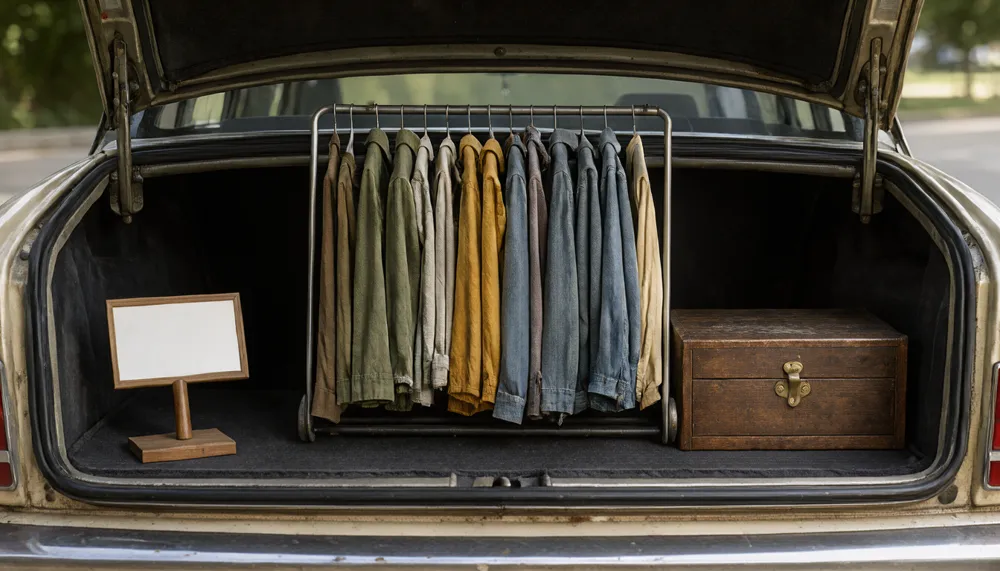
Car boot sales offer a unique opportunity to declutter your wardrobe and turn pre-loved vintage clothing into cash. Unlike online marketplaces, these events allow you to interact directly with buyers, negotiate prices, and showcase the tactile quality of your items. However, success at a car boot sale requires more than just throwing clothes into the back of your car. It demands preparation, strategic presentation, and an understanding of how to engage potential customers in a fast-paced, outdoor environment. This guide provides practical advice on folding, pricing, and displaying vintage items to maximize your sales potential while keeping the process enjoyable and efficient.
Preparing Your Inventory
Before you even think about loading your car, you need to curate your selection carefully. Vintage clothing is not just old clothing; it represents a specific era, style, or quality that appeals to collectors and fashion enthusiasts. Start by washing or dry-cleaning items to ensure they are fresh and free of odors. Check every pocket for forgotten items and inspect seams for tears or loose buttons. While minor flaws can be disclosed, heavily damaged items are often better suited for recycling or donation unless they are rare pieces where the damage adds character.
Sort your inventory by category to make unpacking and selling easier. Group items by type, such as denim, dresses, outerwear, or accessories. This organization helps you locate items quickly when a buyer asks for a specific size or style. It also allows you to create distinct zones in your display area, which helps buyers navigate your stall without feeling overwhelmed. Remember that space is limited at most car boot sales, so prioritize high-quality, desirable pieces over bulk items that take up room but sell slowly.
The Art of Folding and Display
How you present your clothing significantly impacts its perceived value. Crumpled, messy piles suggest low quality and make it difficult for buyers to assess the condition of the items. Instead, aim for a tidy, organized display that highlights the best features of each piece. For t-shirts, jumpers, and lightweight tops, use a standard retail fold. This keeps the front design visible and maintains a neat stack that buyers can browse through easily.
For heavier items like coats, jackets, and dresses, consider using hangers if you have a portable rack. Hanging items allows buyers to see the full silhouette and drape of the garment, which is crucial for vintage pieces where the cut is a major selling point. If you do not have a rack, fold these items carefully and stack them by size or color. Use clear plastic bins or labeled boxes for smaller accessories like belts, scarves, and jewelry. This prevents small items from getting lost in the wind or mixed up with other goods.
Pricing Strategies for Vintage Items
Pricing vintage clothing can be tricky because value is subjective and depends on factors like brand, era, condition, and rarity. Before the sale, research similar items on online resale platforms to get a sense of the market rate. However, keep in mind that car boot sale buyers expect to haggle and often look for bargains. Set your initial prices slightly higher than your target selling price to leave room for negotiation.
Consider using a tiered pricing system. For example, you might have a "premium" section for rare or designer items priced individually, and a "bulk" section for everyday vintage wear where you offer deals like "three items for the price of two." This encourages buyers to purchase multiple items, increasing your overall sales volume. Be prepared to adjust prices as the day progresses. Early morning is the best time to sell high-value items to serious collectors, while later in the day, you may need to lower prices to clear remaining stock.
Attracting Buyers to Your Stall
In a crowded car boot sale, you need to stand out to attract attention. Start with a clear, legible sign that indicates what you are selling. Use large, bold letters and simple language, such as "Vintage Denim," "Retro Dresses," or "Designer Labels." If you have specific high-value items, consider placing them on a table at eye level to draw people in. Visual appeal is key; use natural light to your advantage by positioning your display so that sunlight highlights the colors and textures of the fabrics.
Engage with passersby in a friendly, non-pushy manner. A simple smile and a greeting can go a long way. If someone stops to look, offer helpful information about the item, such as its era, fabric type, or styling tips. However, respect their space and let them browse at their own pace. Having a small mirror available can also encourage buyers to try on items, which often leads to a sale. Keep your area clean and tidy throughout the day, as a messy stall can deter buyers even if the items are good.
Handling Negotiations and Payments
Negotiation is a standard part of the car boot sale experience. Buyers will often ask for a discount, especially if they are buying multiple items or if the sale is nearing its end. Approach negotiations with a positive attitude and a clear idea of your minimum acceptable price. If a buyer offers a price that is too low, counter with a reasonable figure and explain why the item is worth that amount. For example, you might mention the brand, the rarity of the piece, or its excellent condition.
Be prepared for cash transactions, as many car boot sales still operate primarily on cash. Have plenty of small change available to make transactions smooth. If you accept digital payments, ensure you have a reliable mobile payment setup and a backup plan in case of poor signal. Always confirm the payment has been received before handing over the item. For high-value items, consider writing a simple receipt or noting the sale in a logbook to keep track of your earnings and inventory.
Adapting to Local Customs and Regulations
While the core principles of selling are universal, local customs and regulations can vary significantly by country. In some regions, car boot sales are strictly regulated, requiring permits or specific insurance for sellers. Check with the organizers of the event beforehand to understand any rules regarding setup times, stall sizes, and prohibited items. In other areas, the culture of bargaining may be more or less intense. In some countries, haggling is expected and part of the social interaction, while in others, fixed prices are more common.
Be mindful of local preferences in fashion and style. What sells well in one country may not be as popular in another. For instance, vintage workwear might be highly sought after in industrial regions, while delicate lace or silk items might perform better in urban fashion hubs. Adapting your inventory and presentation to local tastes can significantly improve your sales. Additionally, be aware of any local laws regarding the sale of second-hand goods, particularly if you are selling in large quantities or operating as a business rather than a casual seller.
Conclusion
Selling vintage clothing at car boot sales is a rewarding way to connect with buyers who appreciate the history and quality of pre-loved fashion. By preparing your inventory carefully, presenting your items in an organized and attractive manner, and pricing them strategically, you can maximize your sales and enjoy the experience. Remember to engage with buyers politely, be flexible with negotiations, and adapt to local customs to ensure a smooth transaction. With these practical tips, you can turn your car boot sale into a successful venture, clearing out your wardrobe while providing others with unique, stylish finds. If you are looking for more local events, platforms like Bazarmap show such posts on a free live map, helping you find opportunities in your area.
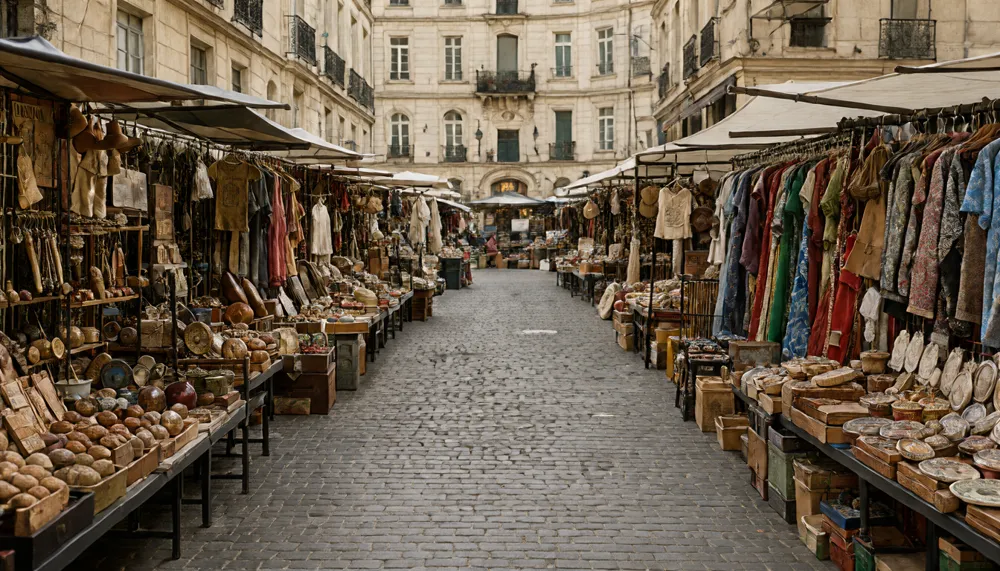 A Guide to Second-Hand Shopping in Toulouse
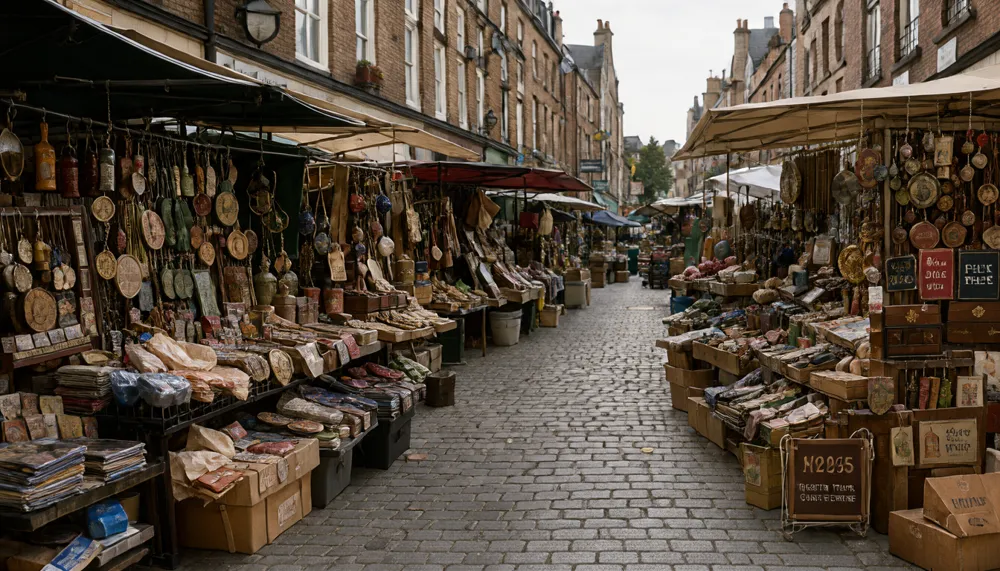 A Guide to Second-Hand Shopping in Edinburgh
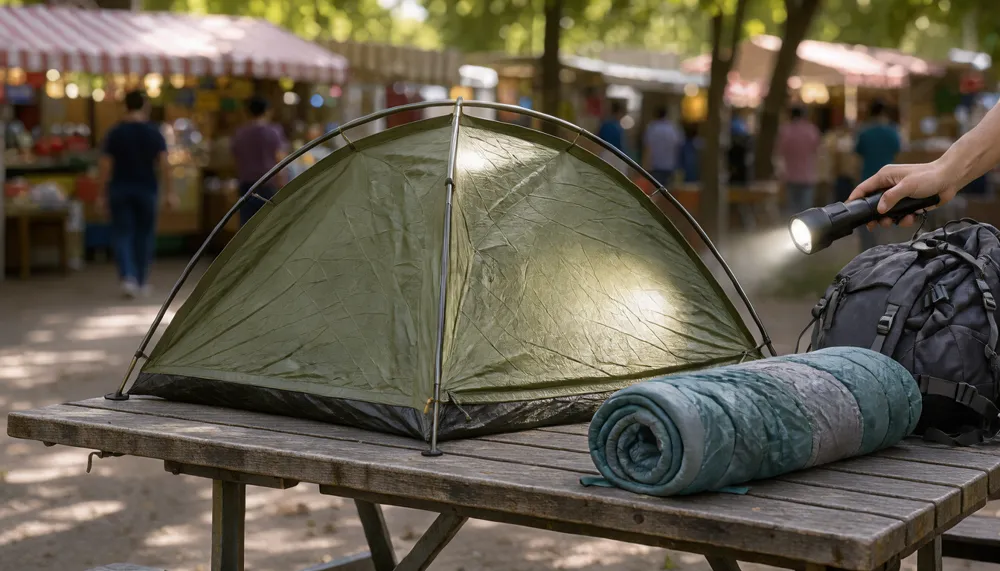 Buying Used Camping Gear at Flea Markets: What to Check for Wear and Tear
 A Guide to Second-Hand Shopping and Markets in Sydney
 Giving away garden tools and equipment: cleaning and handover etiquette
 A Guide to Flea Markets, Second-Hand Shops, and Charity Stores in Lisbon