
Declutter your home and earn from it: what sells and what to give away
October 4, 2026
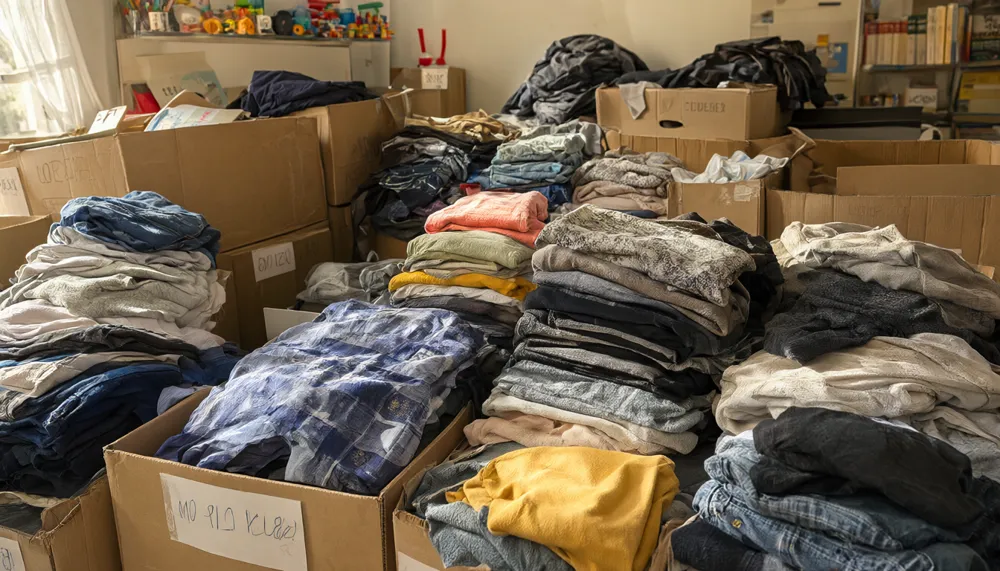
Decluttering is often viewed as a chore, but it can be a productive exercise that benefits both your living space and your finances. When you systematically sort through your belongings, you create a clearer environment and potentially generate extra income from items you no longer need. However, not every object holds the same value, and not every item is suitable for selling. Understanding how to categorize your possessions effectively is key to a successful decluttering session. This guide walks you through the process of deciding what to keep, what to sell, and what to give away, ensuring you maximize value while minimizing waste.
Assessing Your Current Inventory
Before you begin sorting, take time to understand what you actually own. Many people underestimate the volume of items in their homes, leading to rushed decisions or unnecessary purchases later. Start by choosing a specific area, such as a closet, a drawer, or a single shelf, rather than tackling the entire house at once. This focused approach prevents overwhelm and allows you to see immediate progress.
As you pull items out, ask yourself three simple questions:
- Have I used this in the last six months?
- Does it fit my current lifestyle and needs?
- Is it in good condition?
If the answer to the first two questions is no, the item is a candidate for removal. If the answer to the third question is no, consider whether it can be repaired easily or if it should be discarded. This initial triage helps you separate the essential from the excess without getting bogged down in emotional attachments.
Identifying High-Value Items for Sale
Not all items are created equal when it comes to resale potential. Some categories tend to hold their value better than others, making them ideal candidates for selling. Clothing from well-known brands, especially those in good condition, often sells quickly. Similarly, electronics like smartphones, tablets, and gaming consoles retain value well if they are functional and include their original accessories.
Consider these categories for selling:
- Designer Clothing and Accessories: Items from recognized brands often have a steady demand.
- Electronics: Phones, laptops, and cameras are frequently sought after.
- Furniture: Solid wood pieces or modern designs can fetch good prices.
- Books: Textbooks and popular fiction titles often sell well.
When preparing items for sale, cleanliness matters. Wash clothes, dust furniture, and charge electronics. High-quality photos with good lighting significantly increase the chances of a quick sale. Write clear descriptions that include dimensions, condition notes, and any flaws. Transparency builds trust with buyers and reduces the likelihood of returns or disputes.
Strategies for Pricing and Listing
Pricing your items correctly is crucial for a smooth selling experience. Overpricing can lead to stagnant listings, while underpricing might leave money on the table. Research similar items online to gauge the market rate. Look at completed sales rather than just current listings to get a realistic idea of what buyers are actually paying.
When listing your items, keep the following tips in mind:
- Be Honest: Clearly state any defects or wear.
- Use Keywords: Include relevant terms in your title and description to improve search visibility.
- Bundle Items: Selling sets of dishes, books, or clothing can attract buyers looking for complete collections.
If you are selling locally, consider using platforms that connect buyers and sellers in your area. Bazarmap shows such posts on a free live map, helping you find nearby buyers without shipping hassles. This can be particularly useful for bulky items like furniture or large appliances, where shipping costs can eat into your profits.
Deciding What to Give Away
Not everything you declutter will sell. Some items have low resale value or are difficult to ship, making them better candidates for giving away. Giving away items can be just as rewarding as selling them, especially if you direct them to someone who will truly use them. This approach also supports sustainability by extending the life of products.
Good candidates for giving away include:
- Children’s Clothing: Kids outgrow clothes quickly, and parents are often looking for affordable options.
- Basic Household Goods: Towels, linens, and kitchen utensils are always in demand.
- Books and Media: Libraries, schools, and community centers often accept donations.
- Furniture in Good Condition: While some furniture sells well, older or bulky pieces may be easier to give away.
When giving away items, ensure they are clean and functional. Even free items should be presented in a way that respects the recipient. Check local community boards, neighborhood apps, or charity shops to find suitable recipients. In some countries, customs regulations may affect how you donate items across borders, so check local guidelines if you plan to send items internationally.
Handling Bulk and Bulky Items
Large items like sofas, wardrobes, and dining tables can be challenging to sell due to shipping costs and space requirements. However, they are often highly desirable for people moving into new homes or furnishing a space on a budget. To sell bulky items effectively, focus on local pickup options. This eliminates shipping costs and simplifies the transaction.
Tips for selling bulky items:
- Measure Everything: Provide accurate dimensions to help buyers visualize the fit.
- Highlight Features: Mention durability, material quality, or unique design elements.
- Offer Pickup Assistance: If possible, help load the item into the buyer’s vehicle.
If an item does not sell after a reasonable period, consider giving it away to a local charity or community center. Many organizations are happy to accept furniture that is in good condition, especially if they can arrange pickup. This ensures the item continues to be used rather than ending up in a landfill.
Maintaining a Clutter-Free Lifestyle
Decluttering is not a one-time event but an ongoing practice. Once you have cleared your space, establish habits to prevent clutter from accumulating again. Regularly review your belongings and apply the same criteria you used during your initial decluttering session. This helps maintain order and ensures that your home remains a comfortable and functional space.
Consider these maintenance tips:
- One In, One Out: For every new item you bring into your home, remove one old item.
- Regular Reviews: Set aside time each season to reassess your belongings.
- Mindful Purchasing: Buy only what you need and will use regularly.
By integrating these practices into your routine, you can sustain the benefits of decluttering long after the initial cleanup is complete. This approach not only keeps your home organized but also encourages thoughtful consumption and financial mindfulness.
Conclusion
Decluttering your home is a powerful way to improve your living space and potentially earn extra income. By carefully assessing your belongings, identifying high-value items for sale, and strategically giving away others, you can create a more organized and efficient home. Remember that the goal is not just to remove items but to curate a space that supports your lifestyle. Whether you sell, donate, or recycle, each decision contributes to a more sustainable and manageable living environment. Start small, stay consistent, and enjoy the clarity that comes with a well-curated home.
 A Guide to Flea Markets, Second-Hand Shops, and Charity Stores in Hong Kong
 How to Give Away Houseplants Responsibly to New Owners
 A Guide to Flea Markets and Second-Hand Shopping in Lugulu, Kenya
 What to Check When Buying Second-Hand Kitchenware
 A Guide to Second-Hand Shopping in Barcelona
 Optimizing Table Layouts for Better Flow at Yard Sales