
How to Find Bargains at Flea Markets and Second-Hand Shops
September 29, 2026
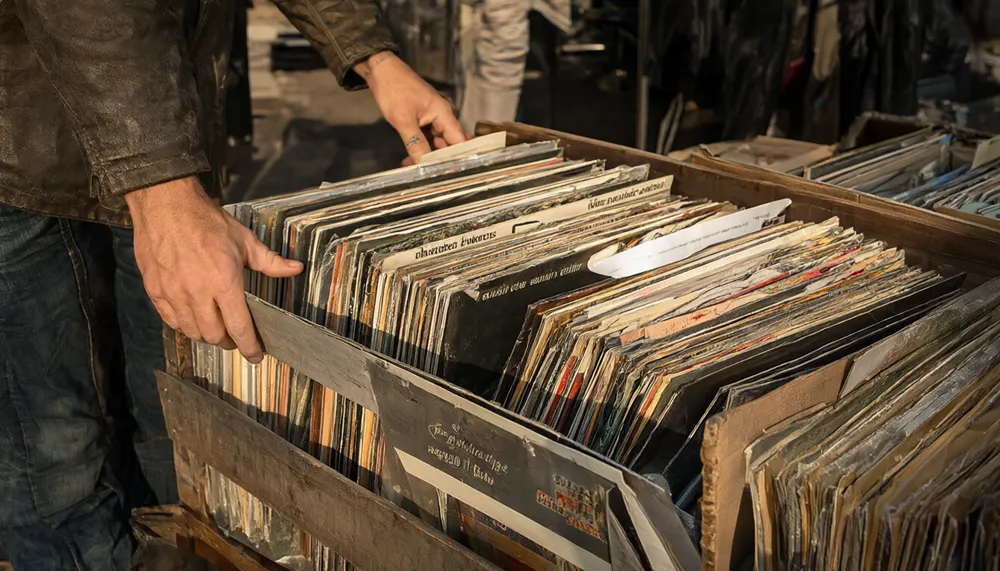
Finding great deals at flea markets and second-hand shops is an art form that combines patience, observation, and strategic planning. Whether you are hunting for vintage furniture, rare books, or everyday household items, the thrill of the hunt lies in discovering hidden treasures among piles of mixed goods. While the core principles of thrifting remain consistent, the specific customs and layouts of markets can vary significantly depending on your location. This guide provides actionable strategies to help you navigate these spaces efficiently, ensuring you leave with high-quality items at fair prices without unnecessary stress or wasted time.
Timing Your Visit for Maximum Advantage
The time of day you choose to visit a flea market or second-hand shop can drastically affect both the selection available and the prices you pay. Early mornings are generally considered the best time for serious collectors and those looking for specific items. Arriving shortly after opening allows you to browse through fresh stock before it is picked over by other shoppers. During this window, vendors are often more willing to negotiate because they want to clear inventory quickly to make space for new arrivals or to pack up for the day.
Conversely, late afternoon or early evening visits can be advantageous if your primary goal is to find the absolute lowest price possible. As the day progresses, vendors become more eager to sell their remaining stock rather than pack it up and haul it back home. This urgency often leads to deeper discounts, particularly for bulky items that are difficult to transport. However, be aware that the selection will be smaller, and the most desirable items may already be gone. It is helpful to observe local habits; in some cultures, markets are busiest at midday, while in others, evening is the prime time for social shopping. Adjust your schedule based on the specific venue’s typical foot traffic patterns.
Mastering the Art of Inspection
Second-hand items require a more thorough inspection than new products. Because these goods have already been used, they may have hidden defects that are not immediately apparent. Start by checking the structural integrity of furniture. Sit on chairs to test stability, open drawers to ensure they slide smoothly, and check for wobbles in tables. For electronics, ask if the seller can plug the item in to verify it powers on. If the shop does not have power outlets, bring a portable battery pack or ask if there is a nearby area where you can test the device.
Clothing requires a different approach. Check seams for tears, look for stains under good lighting, and ensure zippers function correctly. A common mistake is overlooking small flaws that become annoying over time, such as a missing button or a slightly frayed hem. Always inspect items from multiple angles. Natural light is often better than artificial indoor lighting for spotting color discrepancies or subtle stains. If you are shopping outdoors, take advantage of the sunlight. If you are indoors, move the item closer to a window or a bright lamp. Remember that minor imperfections are often acceptable in second-hand goods, but major structural issues should be a reason to negotiate the price down or walk away.
Effective Negotiation Strategies
Negotiating is a standard part of the flea market experience in many parts of the world, though the intensity and etiquette can vary. In some regions, haggling is expected and even enjoyed as a social interaction, while in others, prices are fixed and negotiation is less common. Regardless of location, a polite and respectful approach usually yields the best results. Start by assessing the item’s condition and comparing it to similar items online or in other shops. This gives you a baseline value and helps you justify your offer.
When making an offer, be clear and concise. Instead of asking "Is this the best price?", try stating what you are willing to pay based on your assessment. For example, "I like this lamp, but the shade has a crack. Would you accept half the listed price?" This approach shows you have considered the item’s flaws and are making a reasonable offer. Bundling items is another effective tactic. If you are interested in multiple small items, ask if the seller will give you a discount for taking them all together. Sellers often prefer moving multiple items at once to save time on individual transactions.
Keep in mind that cash is often preferred by vendors, especially at outdoor markets. Having small bills ready can speed up the process and sometimes lead to better deals, as it saves the seller from making change. If a seller seems hesitant, a simple smile and a friendly demeanor can go a long way. Building a brief rapport can make the seller more inclined to accommodate your request. However, respect their time and do not linger excessively if they are busy serving other customers.
Understanding Local Customs and Layouts
Flea markets are not uniform across borders. In many European cities, markets are often held on specific days of the week and may close early in the afternoon. In contrast, markets in North America might operate throughout the weekend with varying hours. Researching the specific schedule of your local market before you go can save you from arriving when the best items are already sold out or when the market is closed. Additionally, some cultures place a high value on bargaining, while others prefer fixed pricing. Observing how other locals interact with vendors can provide clues about the expected etiquette.
The layout of the market also influences your strategy. Some markets are organized by category, such as a section for clothing, another for electronics, and another for home goods. Others are mixed, requiring you to scan through diverse piles to find what you need. In mixed layouts, it is helpful to have a mental list of priorities. Start with the category that has the most competitive inventory or the items you need most urgently. If the market is large, consider doing a quick lap around the perimeter first to get a sense of the overall quality and price range before diving into specific stalls. This prevents you from buying an item early only to find a better version later in the market.
Logistics and Preparation
Successful thrifting requires some logistical preparation. Bring a reusable bag or a small cart if you plan to buy multiple items. Many second-hand shops and flea markets do not provide bags, or they charge for them, so having your own is both eco-friendly and convenient. If you are buying bulky items, check if the vendor offers delivery services or if there is a nearby parking area that allows for easy loading. Some markets have strict rules about parking or vehicle access, so arriving with a plan for transporting your purchases is essential.
Dress comfortably and wear shoes that are easy to clean. Flea markets can be dusty, and you may be kneeling or bending to inspect items. Layered clothing is advisable, as temperatures can fluctuate depending on whether the market is indoors or outdoors. Hydration is also important, especially if you are walking around for extended periods. Bring a water bottle to stay refreshed without needing to stop frequently. If you are shopping with companions, agree on a budget and a time limit beforehand. This helps keep the experience focused and prevents decision fatigue, which can lead to impulse buys that do not meet your needs.
Evaluating Quality and Value
Not every second-hand item is a bargain. A low price does not always mean good value if the item is damaged or poorly made. Learn to distinguish between quality craftsmanship and cheaply made goods. Solid wood furniture, for example, often lasts longer than particleboard alternatives, even if the initial price is higher. Check for weight and stability; heavier items are often more durable. For clothing, natural fibers like cotton, wool, and linen tend to wear better than synthetic blends, though this is not a hard rule. Look for signs of care, such as neatly stitched seams and intact linings.
Consider the longevity of the item. Will it serve your needs for years, or is it likely to break soon? Sometimes paying slightly more for a well-made item is more economical in the long run than buying multiple cheap replacements. If you are unsure about the quality, ask the seller about the item’s history. While they may not know everything, their willingness to share information can indicate how much they care about their inventory. Trust your instincts; if an item feels sturdy and looks well-maintained, it is likely a good choice. Avoid items that seem overly worn or have significant repairs that might fail soon.
Conclusion
Finding bargains at flea markets and second-hand shops is a rewarding experience that rewards preparation and patience. By timing your visits strategically, inspecting items thoroughly, and negotiating respectfully, you can uncover high-quality goods at reasonable prices. Remember that customs vary by region, so observing local practices and adapting your approach accordingly will enhance your shopping experience. With these practical tips, you can navigate any market with confidence, ensuring that every purchase is a worthwhile addition to your home or wardrobe. Happy hunting.
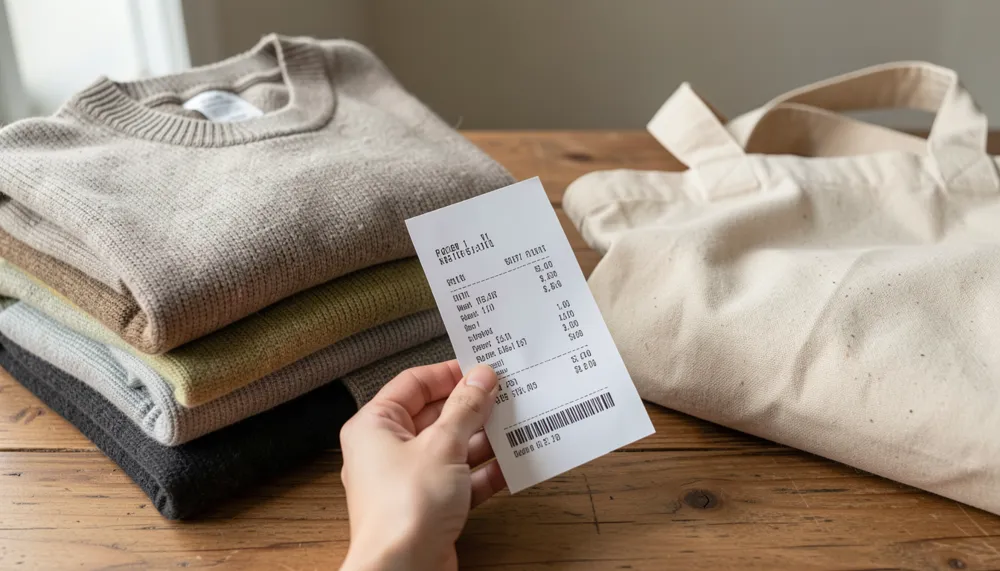 Understanding Tax Deductions for Charity Shop Donations
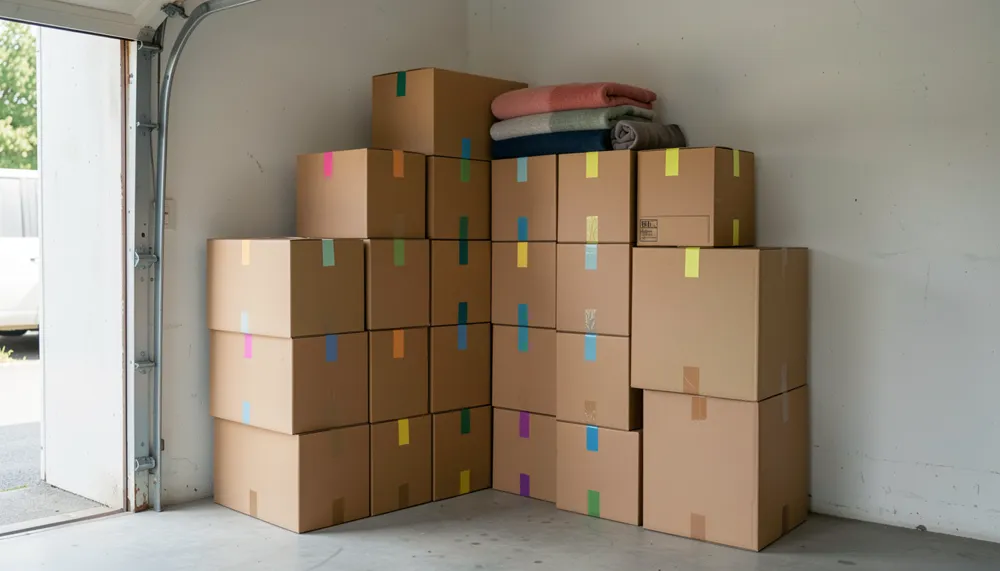 Packing Strategies to Speed Up Your Moving Sale Inventory
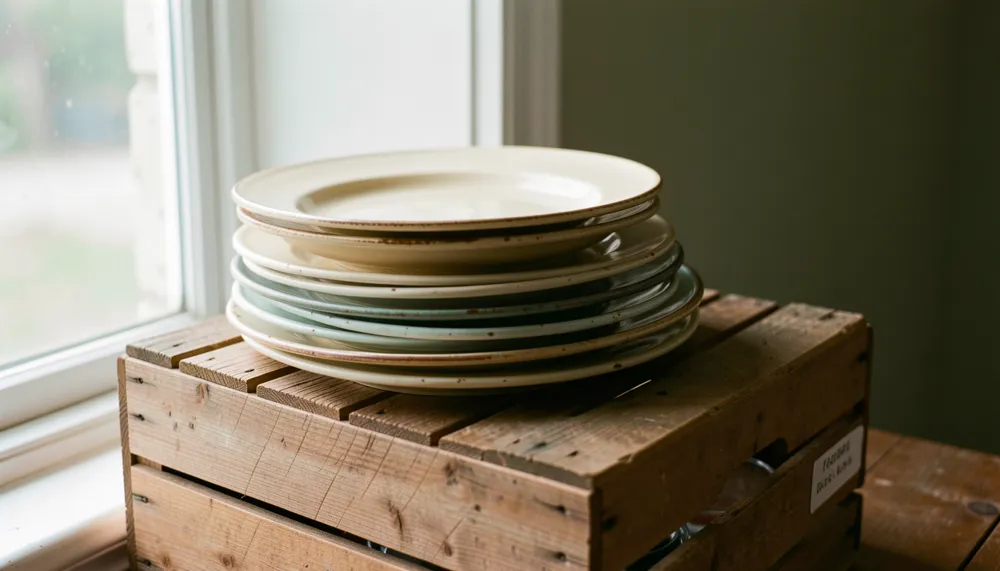 How to Photograph Items for Online Sales Using Natural Light