
A Guide to Second-Hand Shopping and Local Markets in Shanghai
November 10, 2026
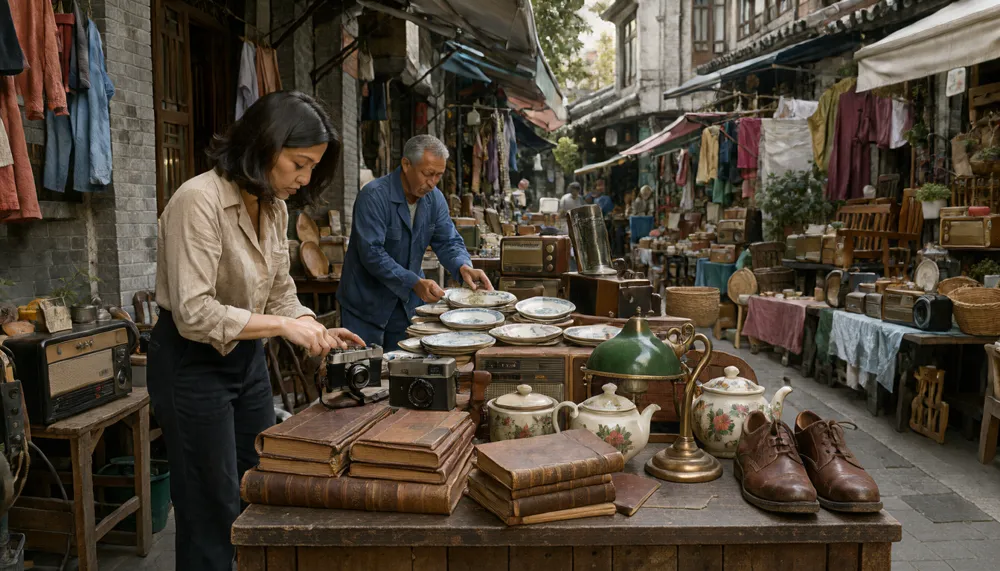
Shanghai offers a vibrant landscape for those interested in second-hand goods, antiques, and local produce. While the city is known for its modern malls, a rich network of traditional markets and specialized shops provides a more authentic shopping experience. This guide focuses on specific locations categorized by their primary function, helping you plan a day of browsing, bargaining, and discovering unique items. Please note that opening hours can vary by season and individual vendor availability, so it is always wise to check locally before making a long trip.
Antique and Collectible Shops
For those seeking historical items, art, or unique decor, Shanghai has several dedicated antique shops. These venues are distinct from general second-hand stores, often focusing on curated collections of woodwork, jade, and traditional artifacts. Visiting these shops requires a different approach than browsing a flea market; expect a quieter atmosphere where items are displayed for closer inspection.
You can visit 古玩木器玉雕 for items related to wood and jade carving. Another option is 寻古堂旧货调剂中心, which functions as a center for old goods and adjustments. For a broader selection of antiques, consider Antique Garden Shanghai and 虹桥古玩城. These locations are ideal for serious collectors or those looking for specific historical pieces. When visiting these shops, take your time to examine the condition of items and ask questions about provenance if available.
General Second-Hand and Electronics
If you are looking for more general second-hand goods, particularly electronics or vehicles, there are specific markets to explore. The 上海车市二手车交易市场 is a hub for used cars, offering a variety of vehicles for sale. For electronics, 国美电器 is a well-known retailer that also handles various consumer goods. While not exclusively second-hand, these markets often have sections or adjacent stalls dealing in used items. Always test electronics thoroughly before purchasing and verify the condition of any vehicle with a trusted mechanic.
Traditional Wet Markets and Produce
A significant part of the Shanghai shopping experience involves the traditional wet markets, known locally as caishichang. These markets are bustling centers of daily life, offering fresh produce, meat, seafood, and prepared foods. They are excellent places to observe local culture and buy fresh ingredients at competitive prices. The following markets are notable for their variety and local popularity:
- 茶陵菜市场
- 吴泾菜市场
- 农贸市场
- 瑞园菜场
- 永泰菜市场
- 周东菜场
- 浦三路菜场
- 徐汇区东湾菜市场
- 三林爱博菜市场
- 樱花菜市场
- 阳普阜新菜市场
- 爱博菜市场
- 飞虹菜市场 (located on 飞虹路)
- 银苑菜市场
- 亿家美菜市场
- 杨家渡菜市场
- 阳普图们菜市场
- 昌化菜市场
- 天之菜市场
- 虹梅市场
- 浦连路菜市场
- 吴泾副食品市场
- 中谊路菜市场
- 徐经菜市场
- 吉祥路菜场
In addition to general wet markets, there are specialized stalls and shops within or near these areas. For fruit, look for 百果园, 亿果果业, 天天生鲜, 袁记, 蟹老板水果店, 萌动果园, 伟小妹果品批发行, and 崇明生鲜. For vegetables and tofu, 清美豆制品 and 祖名豆制品 are common sights. Meat and poultry specialists include 活鸡专卖, 沪鲁蔬菜直销, 好乐多禽乡百货商店, 内蒙古黄牛肉崇明山羊专卖店, and 科尔沁牛羊肉. Other specific vendors include 山东炒货 for roasted nuts and seeds, 来伊份 for snacks, and 周家嘴路涮羊肉 (on 天虹路) for hot pot ingredients.
Clothing and Specialty Markets
Beyond food and antiques, Shanghai has markets dedicated to clothing and other goods. The 圣和圣韩国馆(Korean Fashion Market) is a popular destination for trendy clothing and accessories. For general apparel, you might visit the Clothing Market or 谛久坊. If you are interested in home improvement or building materials, 家兴建材市场 is a relevant location. There are also general Local market venues and 杜行集市 which may offer a mix of goods depending on the day. 美天太阳市场 is another venue that often features a variety of stalls.
Community and Social Markets
Some markets serve a social function in addition to commerce. The 相亲角 (Marriage Corner) is a famous public space where parents gather to exchange information about potential marriage partners for their children. While not a shopping market in the traditional sense, it is a unique cultural site often visited by tourists and locals alike. It is best to visit during the day when the activity is most visible. 伙伴健康果蔬服务站 and 周东菜场 also serve as community hubs where neighbors meet and exchange goods.
Tips for Selling Your Own Items
If you have items to sell, such as furniture, clothing, or electronics, you can participate in the local second-hand economy. While there are no universal rules for garage sales in Shanghai, you can follow general best practices to ensure a smooth transaction.
- Choose the Right Venue: For small items like clothing or books, consider approaching local community bulletin boards or online community groups. For larger items like furniture, you may need to arrange for pickup. Some markets allow vendors to set up temporary stalls, but this usually requires prior arrangement with market management.
- Prepare Your Items: Clean and photograph your items clearly. Be honest about any defects. If you are selling electronics, ensure they are tested and working.
- Pricing: Research similar items in local second-hand shops or online platforms to set a fair price. Be prepared to bargain, as negotiation is common in many market settings.
- Payment: Have small change available if you are selling in person. Many vendors accept mobile payments, but cash is still widely used in traditional markets.
- Logistics: If you are selling bulky items, arrange for transport in advance. You may need to hire a local moving service or use a delivery app to get items to buyers.
Planning Your Day
To make the most of your shopping day, group your visits by geography. Start with an antique shop like 虹桥古玩城 in the morning when it is less crowded. Then, head to a nearby wet market such as 吴泾菜市场 or 徐汇区东湾菜市场 for lunch and fresh produce. In the afternoon, visit a clothing market like 圣和圣韩国馆 or a general market like 美天太阳市场. Always carry a reusable bag, as plastic bags may incur a small fee. Wear comfortable shoes, as you will be doing a lot of walking. Remember that prices in markets are often negotiable, so do not hesitate to ask for a better deal if you are buying multiple items.
Conclusion
Shanghai’s second-hand and market scene is diverse and rewarding. From the curated antiques of Antique Garden Shanghai to the bustling stalls of 杨家渡菜市场, there is something for every shopper. By planning your route and understanding the local context, you can enjoy a productive and culturally enriching shopping experience. Always verify opening hours locally, as they may change, and approach each vendor with respect and curiosity. Happy shopping!
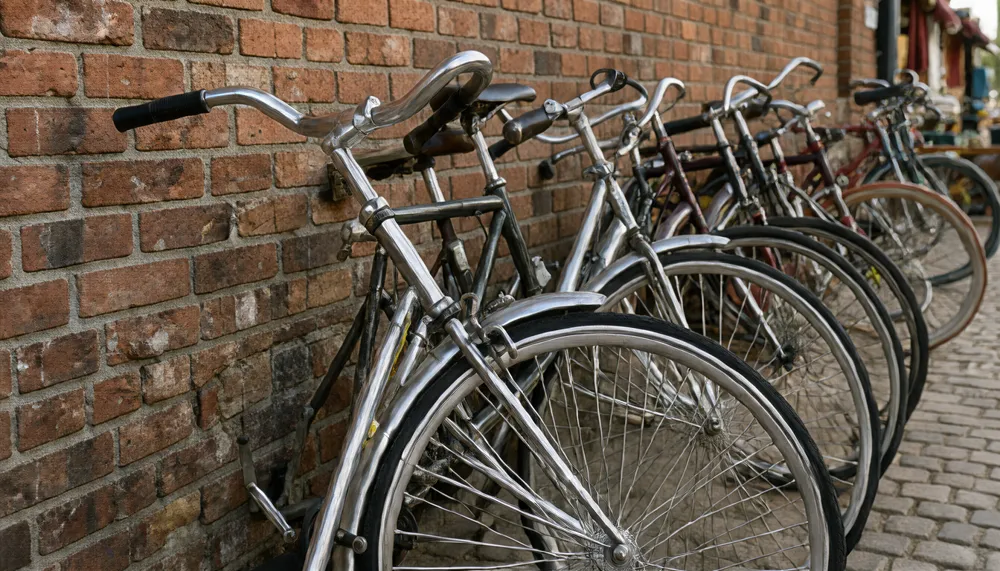 How to Spot and Buy a Good Vintage Bicycle at a Flea Market
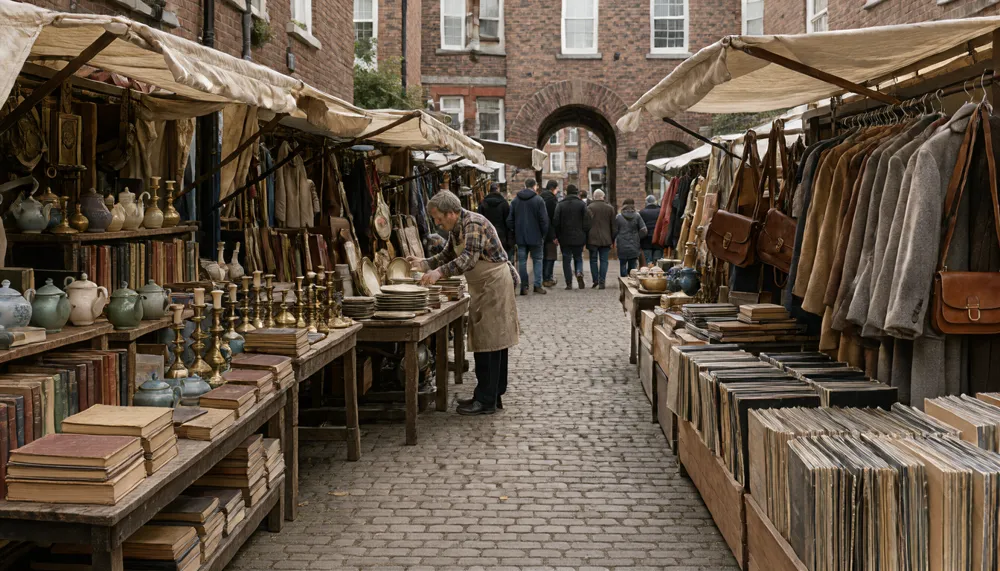 A Guide to Second-Hand Shopping in Manchester
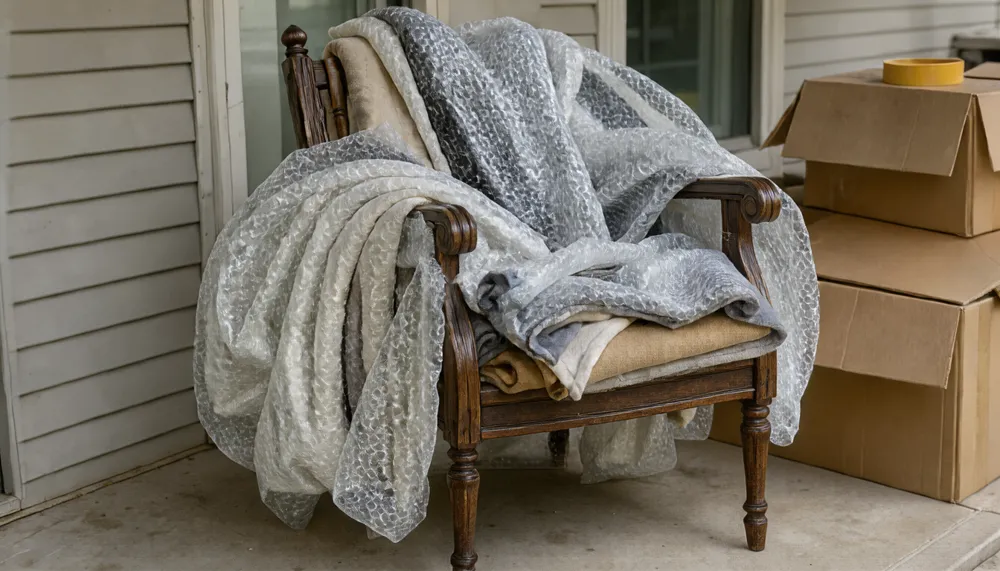 Selling Antique Furniture: Local Pickup vs. Shipping for Online Buyers
 A Guide to Second-Hand Shopping in Copenhagen
 Helping Neighbors Move: Organizing a Community Moving Sale
 A Guide to Second-Hand Shopping and Flea Markets in Siaya, Kenya