
How to Spot and Buy a Good Vintage Bicycle at a Flea Market
November 10, 2026
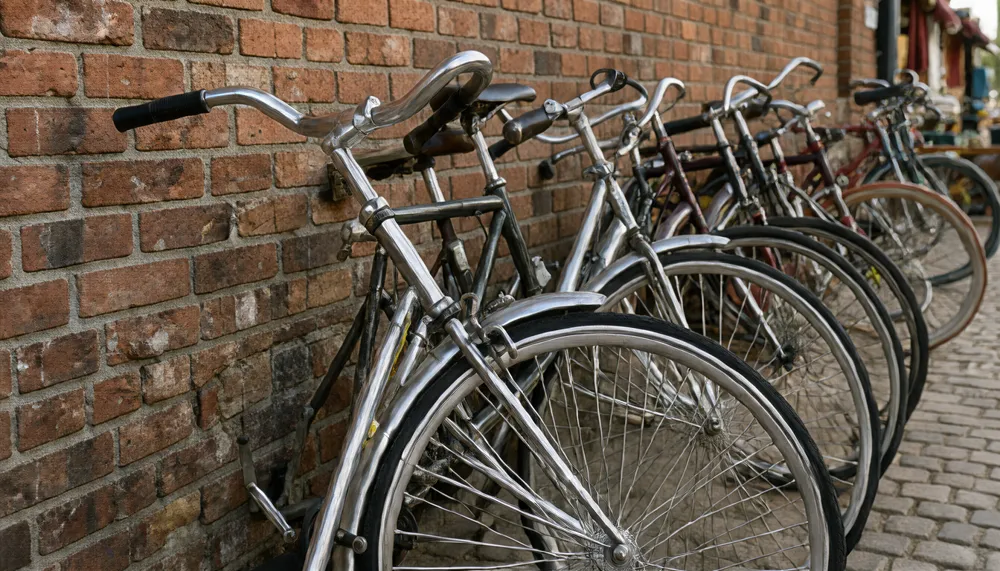
Flea markets are treasure troves for cyclists seeking character, history, and mechanical simplicity. Unlike modern retail stores, these open-air or indoor markets offer a chaotic mix of items where a well-preserved vintage bicycle might sit unnoticed among old tools and furniture. However, buying a bike from a flea market requires a different skill set than buying from a specialist shop. You are often dealing with private sellers who may not know the value of what they have, or conversely, sellers who have restored bikes poorly. This guide will walk you through the essential steps to identify a good candidate, assess its condition, and complete a fair purchase, keeping in mind that regulations and market norms vary by country.
Understanding the Vintage Landscape
Before you start digging through piles of rusted metal, it helps to know what you are looking for. "Vintage" is a broad term that generally refers to bicycles produced before the 1990s, though enthusiasts often focus on the 1970s and 1980s as the golden age of steel frame construction. These bikes are prized for their durability, repairability, and aesthetic appeal. Common types include road bikes with drop handlebars, touring bikes with rack mounts, and single-speed or fixed-gear city bikes.
It is important to distinguish between true vintage bikes and "retro" modern bikes. True vintage bikes use older technology, such as cottered cranks, threaded headsets, and friction shifting. Retro bikes are new but styled to look old. While both have their place, this guide focuses on authentic vintage finds. Be aware that in some countries, the definition of "vintage" for tax or import purposes may differ from collector definitions. Always check local regulations if you plan to ship a bike internationally, as customs officials may classify older bicycles differently than new ones.
Inspecting the Frame: The Heart of the Bike
The frame is the most critical component. If the frame is compromised, the bike is rarely worth the effort of restoration unless it is a rare collector's item. Start by looking for the material. Most high-quality vintage bikes are made of steel, which is forgiving and easy to repair. Aluminum and carbon fiber were less common in the earlier decades, so if you see these materials on a very old bike, verify the authenticity carefully.
Check for rust. Surface rust is common and can be cleaned. However, deep pitting, especially at the joints where tubes meet, is a red flag. Use your fingers to feel for roughness along the tubes. Pay special attention to the bottom bracket shell and the head tube, as these areas collect dirt and moisture. If the paint is chipped, look closely at the exposed metal. If it is bubbling or flaking, the structural integrity may be compromised.
Also, inspect the alignment. Stand behind the bike and look down the length of the frame. The rear wheel should be centered between the seat tube and the down tube. If the bike leans to one side or the rear wheel is crooked, the frame may have been in a crash or stored improperly for years. A bent frame is difficult and expensive to straighten, so it is usually best to walk away unless the price is extremely low.
Checking the Wheels and Tires
Wheels are the second most important component after the frame. Spin each wheel and listen for grinding noises, which indicate bad bearings. While you can replace bearings, if the hub shells are pitted or the cones are stripped, the repair cost may exceed the value of the bike. Check the spokes for tension by squeezing pairs of spokes together. They should feel firm. If many spokes are loose or broken, the wheel will need a full rebuild, which requires specialized tools and skills.
Look at the rims for dents or cracks. A small dent in the braking surface is acceptable, but a crack is a safety hazard. If the bike has tubular tires (glued to the rim), check if the glue is still holding. If it has clincher tires, check the sidewalls for dry rot. Cracks in the rubber mean the tires are unsafe and must be replaced immediately. Remember that vintage tires are often hard to find in specific sizes, so factor in the cost and availability of new tires when negotiating the price.
Evaluating the Drivetrain and Brakes
The drivetrain consists of the chain, chainrings, cassette or freewheel, and derailleurs. These parts wear out over time. A worn chain will skip gears and wear down the cogs. You can test this by pulling the chain away from the front chainring; if it pulls away easily, it is worn. Check the teeth of the chainrings and cogs. They should be symmetrical. If they look like shark fins, they are worn and will need replacement. Replacing a full drivetrain can be costly, so use this as a negotiation point.
Brakes are a safety issue. Squeeze the brake levers. They should feel firm and stop the wheel from spinning. If the levers touch the handlebars, the cables are stretched or the pads are worn. Check the brake pads for hardening. Old rubber pads can become hard as rock and lose their grip. While you can replace pads, ensure the brake calipers move freely. Seized calipers are common on neglected bikes and require disassembly and cleaning to fix. If the bike has rim brakes, ensure the braking surfaces on the wheels are not worn through. If the metal is thin, the wheel may fail under braking pressure.
Assessing the Fit and Comfort
A beautiful bike is useless if it does not fit you. Vintage bikes were often made in standard sizes, but geometry varied by manufacturer. Check the frame size by measuring the seat tube from the center of the bottom bracket to the top of the seat tube. Compare this to your height. If the bike is too large, you may not be able to stand over the top tube comfortably. If it is too small, you may feel cramped.
Check the saddle and handlebars. Vintage saddles are often leather or hard plastic. Leather saddles can be broken in but may need replacement if the cover is torn. Handlebars should be straight and free of cracks. If the bike has drop bars, ensure the tape is not crumbling. While you can replace these parts, it adds to the total cost. Also, consider the riding position. Some vintage bikes have aggressive geometry, while others are more upright. Sit on the bike and simulate a riding position to see if it feels natural. If you are not flexible, a very aggressive road bike might be uncomfortable for casual riding.
Negotiating the Price and Finalizing the Purchase
Once you have identified a bike that passes the inspection, it is time to negotiate. Flea market sellers are often open to haggling, but you should base your offer on the cost of repairs. If the tires are bad, the chain is worn, and the paint is chipped, subtract the estimated cost of parts and labor from the asking price. Be polite but firm. Explain your findings to the seller. For example, "The tires are dry-rotted, so I need to buy new ones, which will cost me extra."
Be prepared to walk away. There will always be another bike. If the seller is unwilling to negotiate and the bike needs significant work, it may not be a good deal. Also, consider the logistics of taking the bike home. If you are buying from a flea market in a different city or country, check if you need to remove the front wheel to fit it in your car. Some markets have narrow aisles, so bring a tool kit to remove wheels if necessary.
If you are buying internationally, remember that customs rules differ by country. Some countries require proof of ownership or specific documentation for used goods. Check with your local customs authority before shipping to avoid delays or unexpected fees. It is often easier to buy locally if you are new to vintage cycling.
Conclusion
Buying a vintage bicycle at a flea market is a rewarding experience that combines treasure hunting with mechanical assessment. By focusing on the frame, wheels, drivetrain, and fit, you can avoid costly mistakes and find a bike that will serve you well for years. Remember that patience is key. Do not rush the inspection, and do not be afraid to ask questions or negotiate. With a careful eye and a basic understanding of bicycle mechanics, you can uncover a hidden gem that offers both style and substance. Happy hunting.
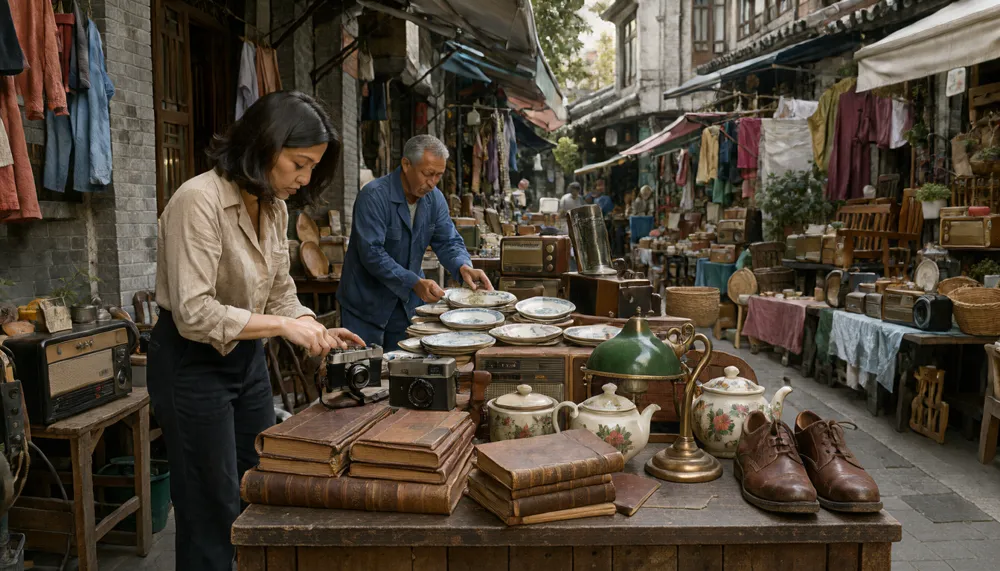 A Guide to Second-Hand Shopping and Local Markets in Shanghai
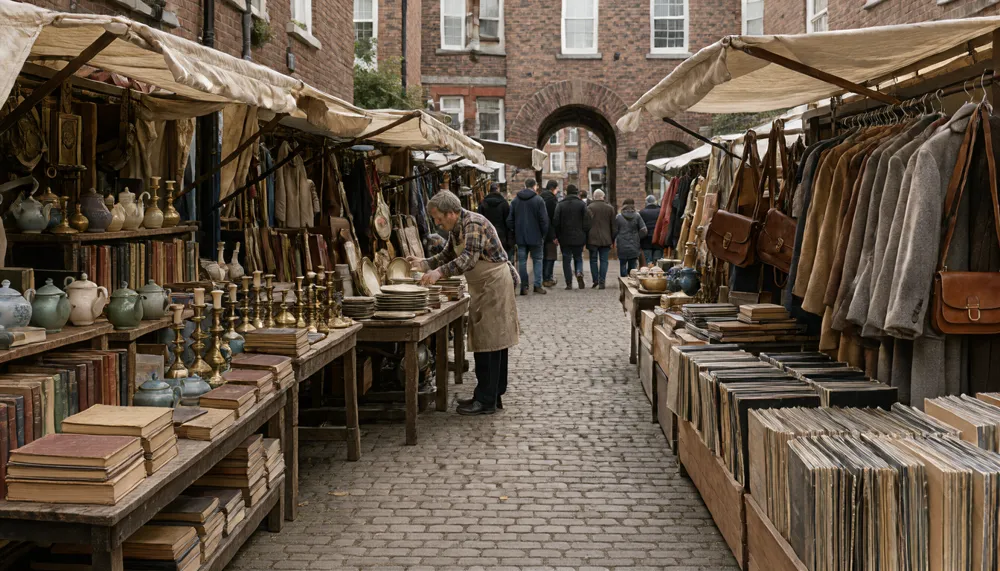 A Guide to Second-Hand Shopping in Manchester
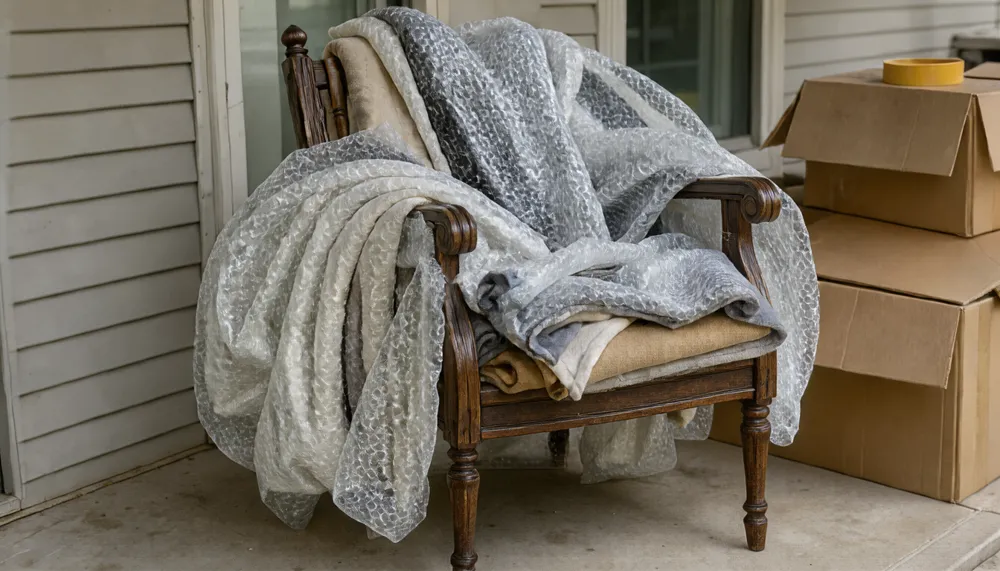 Selling Antique Furniture: Local Pickup vs. Shipping for Online Buyers
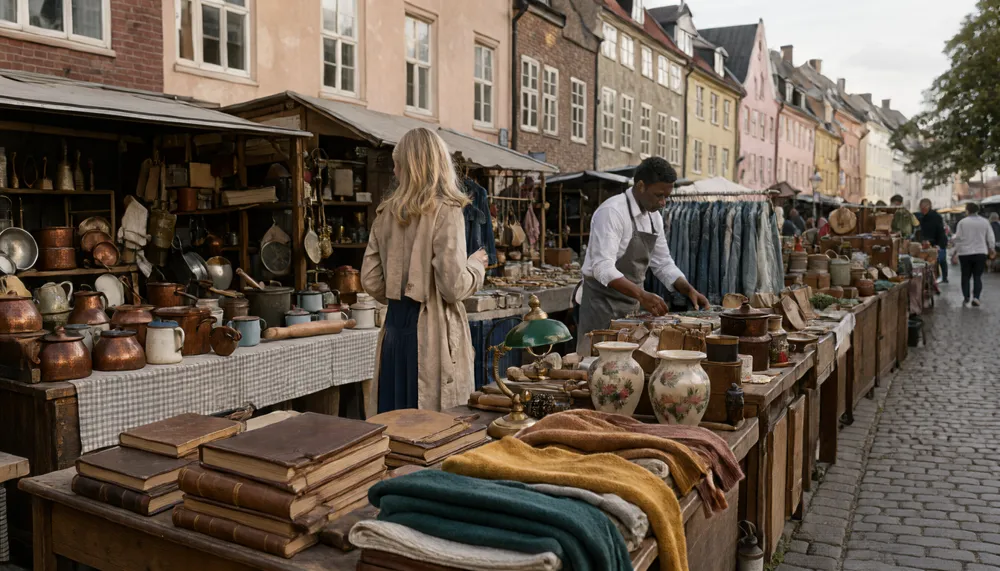 A Guide to Second-Hand Shopping in Copenhagen
 Helping Neighbors Move: Organizing a Community Moving Sale
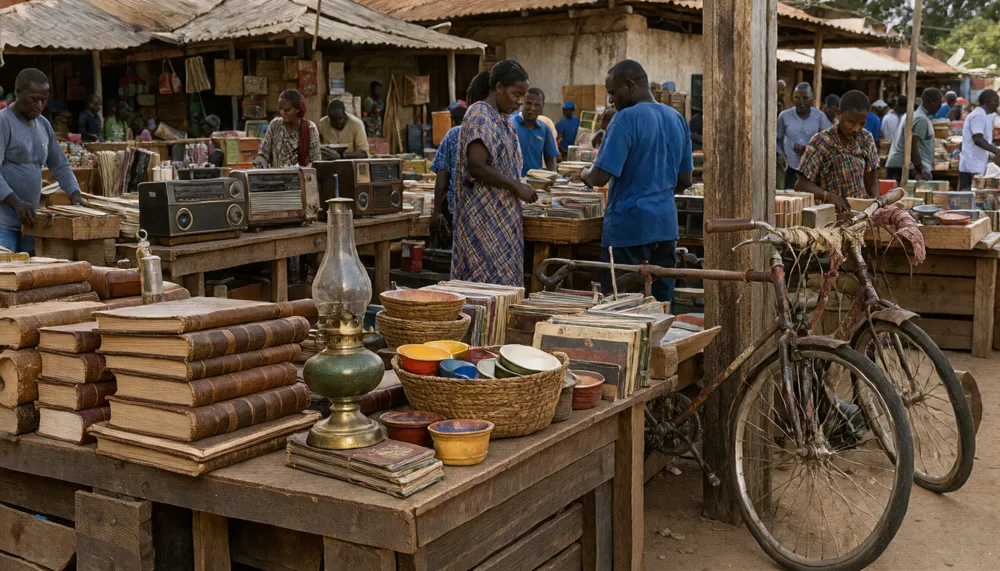 A Guide to Second-Hand Shopping and Flea Markets in Siaya, Kenya