
A Guide to Second-Hand Shopping and Markets in Ouagadougou
November 19, 2026
Introduction
Navigating the second-hand economy in Ouagadougou requires a blend of patience, local knowledge, and an understanding of how different types of vendors operate. The city offers a variety of venues where you can find pre-owned goods, from dedicated charity shops and second-hand stores to bustling open-air markets. This guide focuses on specific locations identified in local mapping data to help you structure a productive shopping day. Whether you are looking for household items, clothing, or unique finds, understanding the distinction between formal shops and informal market stalls is key. The following sections group these places by type and provide practical advice for both buyers and those looking to sell their own items.
Charity Shops
Charity shops offer a structured environment for second-hand shopping, often with fixed hours and a curated selection of goods. In Ouagadougou, one notable establishment is Paroutousba. This shop operates on a consistent schedule, making it a reliable stop for those who prefer a more predictable shopping experience compared to the variable nature of open-air markets.
- Paroutousba: This charity shop is open Monday through Sunday, including public holidays, from 08:00 to 18:00. Please note that these hours may change, so it is advisable to check locally if you are planning a visit during a holiday period or special event. The consistent opening times allow you to plan your day around this stop, ensuring you have ample time to browse the inventory without the pressure of a closing time that varies by day.
Second-Hand Shops
Dedicated second-hand shops differ from charity shops in that they are often commercial enterprises focused on resale. They may offer a wider variety of goods or more specialized items, depending on the owner’s sourcing. In the available data, Wend Panga is listed as a second-hand shop. While specific opening hours are not provided for this location in the source data, such shops typically operate during standard business hours.
- Wend Panga: As a second-hand shop, this venue likely focuses on specific categories of goods, such as electronics, furniture, or clothing. Since hours are not explicitly listed, it is best to visit during typical daytime hours. If you are interested in this shop, consider calling ahead or visiting early in the day to ensure it is open. These shops often allow for some negotiation, but the prices are generally more fixed than in open-air markets.
Major Markets and Yaar
The backbone of second-hand commerce in Ouagadougou is its markets. The term "Yaar" is frequently used to denote markets, particularly those specializing in second-hand goods or general merchandise. The data lists numerous markets, many of which are simply labeled "Marché" or "Yaar," indicating their general nature. However, several have specific names that can help you identify their location or specialty.
- Named Markets: Key markets include Marché de Sané, Marché de Nabraaga, Marché de Cissin, Marché de Gounghin, Marché de Bassiyam, Marché de Ouindigui, Marché de Zinguedessé, Marché de Possamtinga, Marché de Sabtoana, Marché de Bonheur ville, Marché de Tang-Séga, Marché de Boassa, and Marché de Louksi. These markets serve their respective neighborhoods and are central hubs for daily commerce.
- Yaar Markets: Several locations are explicitly named as Yaar, such as Yaar, 15 Yaar, OSCAR-YAAR, and Bassamtoaga Yaar. These are often associated with second-hand clothing, electronics, or general household goods. Tolsin Yaré is another notable market in this category.
- General Markets: Many entries are simply listed as Marché or Mairie. The Marché de bois is distinct for its focus on wood products, which may include second-hand furniture or raw materials. The Mairie market is likely located near the city hall, serving a central area.
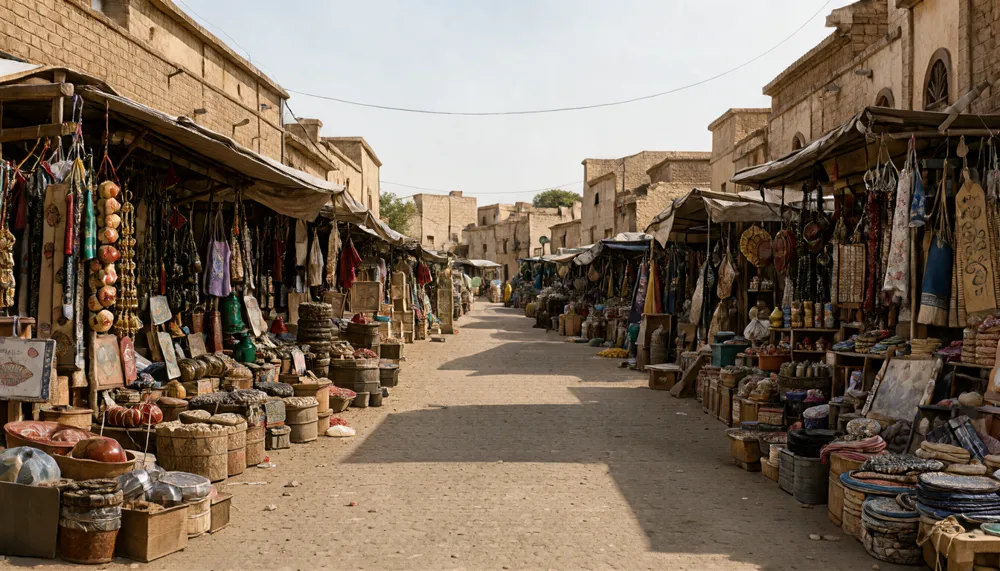
When visiting these markets, remember that they are dynamic environments. Goods are often displayed on tables, tarps, or the ground. The variety of items can range from clothing and shoes to electronics, kitchenware, and furniture. Because many of these markets are open-air, weather conditions can affect the shopping experience. It is wise to dress appropriately and bring water, especially during the hotter parts of the day.
Planning Your Shopping Day
To make the most of your time in Ouagadougou, it is helpful to group your visits geographically. Start your day early, around 08:00, to take advantage of the full selection at Paroutousba and to visit markets before they become too crowded. Since many markets are named after their neighborhoods (e.g., Cissin, Gounghin, Bassiyam), you can plan a route that covers several nearby markets in one trip.
- Morning: Begin at Paroutousba if it is convenient to your route. Its fixed hours make it a good anchor for your schedule. Then, move to a nearby named market like Marché de Cissin or Marché de Gounghin.
- Midday: Visit a Yaar market such as OSCAR-YAAR or Bassamtoaga Yaar. These may have different peak times, so observing the crowd can help you decide when to browse.
- Afternoon: Explore the Marché de bois if you are interested in furniture or wood items. Finish your day at Wend Panga if it is still open, or use the remaining time to visit any remaining Marché locations in your area.
Keep in mind that the generic "Marché" listings may refer to smaller, neighborhood-specific markets. If you are staying in a specific district, ask locals for the nearest "Marché" or "Yaar" to find the most convenient options.
Tips for Buying
When shopping in Ouagadougou’s markets and second-hand shops, preparation is key. Cash is the primary method of payment, so ensure you have small bills and coins. Negotiation is common in markets, but less so in charity shops like Paroutousba.
- Inspect Items Carefully: Check for wear and tear, especially on electronics and furniture. Test items if possible.
- Negotiate Politely: In markets, starting with a lower offer is acceptable. Be respectful and friendly during negotiations.
- Be Aware of Your Surroundings: Markets can be crowded. Keep your belongings secure and be mindful of pickpockets.
- Ask Questions: If you are unsure about an item’s condition or origin, ask the vendor. Building a rapport can sometimes lead to better prices.
Tips for Selling Your Own Items
If you have items to sell, you can participate in the local second-hand economy. While there are no specific local rules provided in the data, general best practices apply.
- Choose the Right Venue: For household goods, consider a Marché or Yaar where you can set up a stall if permitted. For clothing, Paroutousba or Wend Panga might be options if they accept donations or consignment, though this varies.
- Prepare Your Goods: Clean and repair items before selling. Present them neatly to attract buyers.
- Price Fairly: Research similar items in the markets to set competitive prices. Be prepared to negotiate.
- Be Present: If selling at a market, you will likely need to be present to manage your stall and interact with buyers. Arrive early to secure a good spot.
Conclusion
Second-hand shopping in Ouagadougou is a vibrant and essential part of the city’s commerce. By utilizing the specific locations listed, such as Paroutousba, Wend Panga, and the various Marché and Yaar sites, you can create an efficient and rewarding shopping itinerary. Remember that hours may change, and the market environment is dynamic. Approach each visit with flexibility, respect for local customs, and a willingness to engage with vendors. Whether you are buying or selling, these venues offer a unique glimpse into the daily life and resourcefulness of Ouagadougou’s residents.
 Helping Friends Move and Sell: A Guide to Organizing a Joint Moving Sale
 A Guide to Second-Hand Shopping in Toulouse
 Selling Vintage Clothing at Car Boot Sales: Folding, Pricing, and Attracting Buyers
 A Guide to Second-Hand Shopping in Edinburgh
 Buying Used Camping Gear at Flea Markets: What to Check for Wear and Tear
 A Guide to Second-Hand Shopping and Markets in Sydney