
Helping Friends Move and Sell: A Guide to Organizing a Joint Moving Sale
November 19, 2026
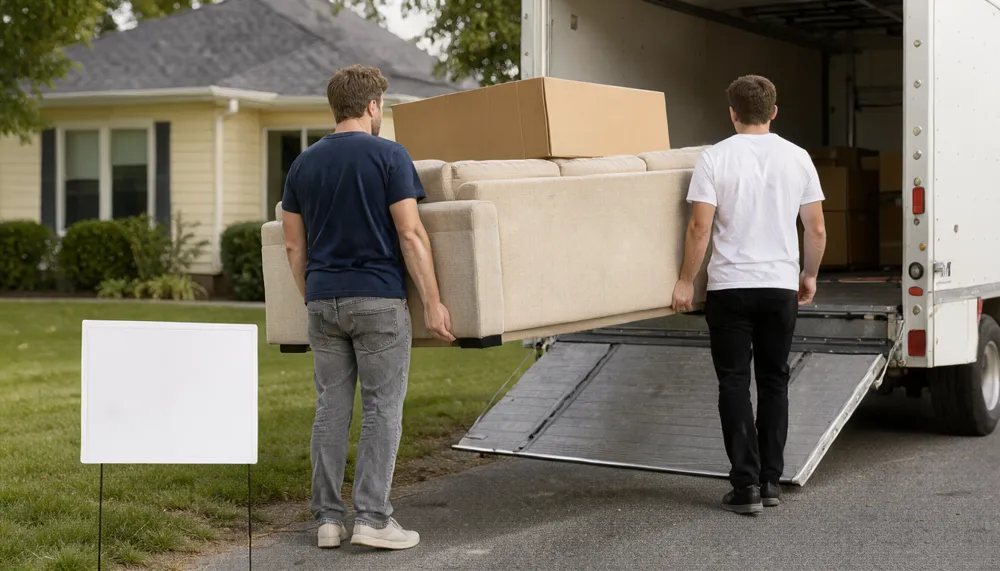
Moving house is a significant life event that often brings with it a surplus of belongings. Whether you are downsizing, relocating to a new city, or simply decluttering, the sheer volume of items to manage can be overwhelming. One effective strategy to handle this burden is to organize a joint moving sale with friends or neighbors who are also moving. This collaborative approach not only lightens the workload for everyone involved but also creates a more attractive destination for buyers, potentially leading to faster sales and better prices. By pooling resources, space, and marketing efforts, you can turn a stressful chore into a community-focused event.
However, coordinating a sale with multiple parties requires clear communication, shared expectations, and careful planning. This guide outlines the essential steps to successfully organize a joint moving sale, ensuring that the process is fair, efficient, and safe for all participants. While the core principles of organizing a sale are universal, remember that local customs, regulations, and buyer expectations can differ significantly by country, so always adapt these steps to fit your specific local context.
Establishing Clear Roles and Expectations
The foundation of a successful joint sale is a solid agreement among all participants. Before you begin sorting items, sit down with your friends or neighbors to discuss the logistics. It is crucial to define who is responsible for what to avoid misunderstandings later. Decide whether you will split the proceeds evenly, based on the value of items sold, or based on the effort contributed. There is no single correct method, but transparency is key.
Consider assigning specific roles to streamline the process:
- The Coordinator: One person should take the lead on scheduling, communication, and finalizing the date and time.
- The Marketer: Someone with social media skills or local community connections can handle advertising and posting listings.
- The Logistics Manager: This person oversees the physical setup, such as arranging tables, signage, and traffic flow.
- The Cashier: If you are handling cash, designate a trusted person to manage the money box and keep a simple log of transactions.
Agree on a cut-off date for deciding which items will be sold and which will be kept. This prevents last-minute additions that can disrupt the organization of the sale. Also, discuss what happens to unsold items. Will they be donated, thrown away, or kept? Making these decisions in advance saves time and reduces stress on the day of the sale.
Curating and Preparing Your Inventory
A joint sale is only as good as the items on offer. Buyers are more likely to visit if they know they will find quality goods at reasonable prices. Start by sorting through your belongings with a critical eye. If you haven’t used an item in the past year, it is likely a candidate for the sale. Be honest about the condition of your items; buyers appreciate transparency and are more likely to trust sellers who point out minor flaws.
Preparation is vital for making items look their best:
- Clean Thoroughly: Dust furniture, wash linens, and polish metal items. A clean item looks more valuable and is easier to sell.
- Test Electronics: Ensure that all electronics work and include necessary cords or remotes. If a device is broken, clearly label it as "for parts" or "broken" and price it accordingly.
- Group Similar Items: Arrange items by category, such as kitchenware, clothing, books, or furniture. This helps buyers browse efficiently.
- Price Fairly: Research similar items online to set competitive prices. Remember that the goal of a moving sale is often speed and convenience rather than maximum profit. Be prepared to negotiate, but set a minimum acceptable price for yourself.
If you are selling clothing, consider organizing racks by size and type. For furniture, ensure that pieces are sturdy and safe for buyers to sit on or use. If you are unsure about the value of an antique or collectible, consider getting a second opinion or pricing it conservatively to encourage a quick sale.
Marketing and Community Engagement
Effective marketing is essential to attract buyers. Since you are organizing a joint sale, you have the advantage of a wider network. Each participant should share the event details with their own friends, family, and social media followers. This multiplies your reach significantly. Create a simple flyer or digital post that includes the date, time, location, and a few photos of standout items. Highlight any special features, such as free parking, easy access, or a wide variety of goods.
Consider using local online platforms and community groups to advertise the sale. Many neighborhoods have dedicated groups for buying and selling items. When posting, be clear that this is a joint moving sale, as this often signals to buyers that they can find a diverse range of items in one location. If you are in a region where local classifieds are popular, ensure your listing is accurate and updated regularly.
In some countries, it is customary to hold sales on weekends or specific market days. Check local norms to choose a time that maximizes foot traffic. If you are in a densely populated urban area, you might also consider putting up signs in nearby apartment buildings or community centers, provided you have permission to do so. Always respect local regulations regarding signage and noise levels.
Logistics and Day-of Operations
On the day of the sale, organization is key to keeping things running smoothly. Arrive early to set up your space. If you are selling from a driveway, garage, or front yard, ensure that the area is safe and accessible. Use clear signage to direct buyers to the entrance and to different sections of the sale. If you are selling indoors, make sure there is enough space for people to move around comfortably without feeling crowded.
Consider the following logistical tips:
- Signage: Use large, bold signs to indicate prices and categories. This reduces the need for constant verbal explanations.
- Payment Options: While cash is king at moving sales, offering digital payment options can be convenient for buyers who do not carry cash. Ensure you have a way to verify payments if using digital methods.
- Bagging and Wrapping: Have bags, boxes, and wrapping materials available for smaller items. This helps buyers transport their purchases easily.
- Restroom Access: If possible, provide access to a restroom for buyers. This small courtesy can make your sale more welcoming.
Keep a simple log of sales to help with splitting proceeds later. This does not need to be complex; a notebook or a shared digital document can suffice. If you are selling large items like furniture, discuss with buyers how they will transport them. Some buyers may have their own vehicles, while others may need help loading items. Be prepared to assist, but set boundaries on how much help you can provide.
Safety and Etiquette
Safety should be a priority for both sellers and buyers. If you are selling from your home, be mindful of who enters your space. It is often safer to keep valuable items or personal documents out of sight. If you are selling outdoors, ensure that the area is well-lit if the sale extends into the evening, and watch for tripping hazards like cords or uneven surfaces.
Etiquette is also important for maintaining a positive atmosphere. Be polite and patient with buyers, even if they haggle aggressively. Remember that the goal is to clear out items, not to win every negotiation. If a buyer is rude or disrespectful, it is acceptable to politely ask them to leave. Similarly, respect your neighbors by keeping noise levels reasonable and cleaning up the area after the sale.
In some cultures, bargaining is expected and part of the social interaction, while in others, prices are considered fixed. Be aware of local customs and adjust your approach accordingly. If you are unsure, a friendly smile and a willingness to listen go a long way.
Handling Unsold Items and Post-Sale Cleanup
After the sale, you will likely have some items left. Decide in advance what to do with them. Donating to local charities is a common and rewarding option. Many organizations accept furniture, clothing, and household goods, and some even offer pickup services. Check with local shelters, thrift stores, or community centers to see what they need.
If you are in a country with strict waste disposal regulations, ensure that you dispose of any remaining items responsibly. Some municipalities have specific rules for large items or electronics. Recycling is another option for items that cannot be donated.
Finally, take time to thank your friends and neighbors who participated. A joint sale is a collaborative effort, and acknowledging everyone’s contribution helps maintain strong relationships. Clean up the space thoroughly, leaving it as you found it. This courtesy ensures that you can host future events or maintain good relations with your neighbors.
Conclusion
Organizing a joint moving sale with friends is a practical and community-oriented way to handle the challenges of moving. By establishing clear roles, preparing your items carefully, marketing effectively, and managing logistics with care, you can create a successful event that benefits everyone involved. Remember to adapt these steps to your local context, respecting customs and regulations that may vary by country. With good planning and a cooperative spirit, you can turn the stress of moving into a productive and even enjoyable experience, clearing out your home while helping your friends do the same.
 A Guide to Second-Hand Shopping and Markets in Ouagadougou
 A Guide to Second-Hand Shopping in Toulouse
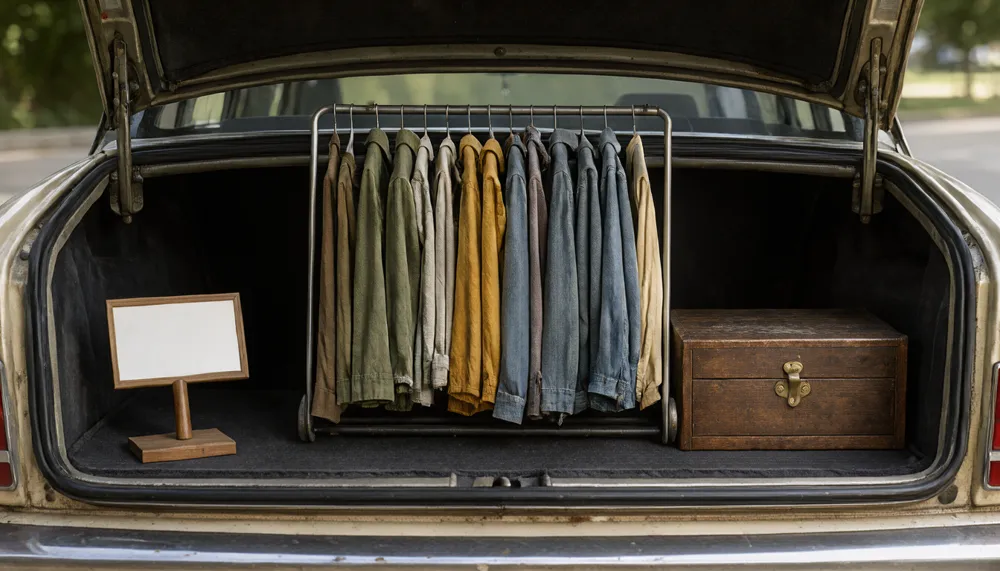 Selling Vintage Clothing at Car Boot Sales: Folding, Pricing, and Attracting Buyers
 A Guide to Second-Hand Shopping in Edinburgh
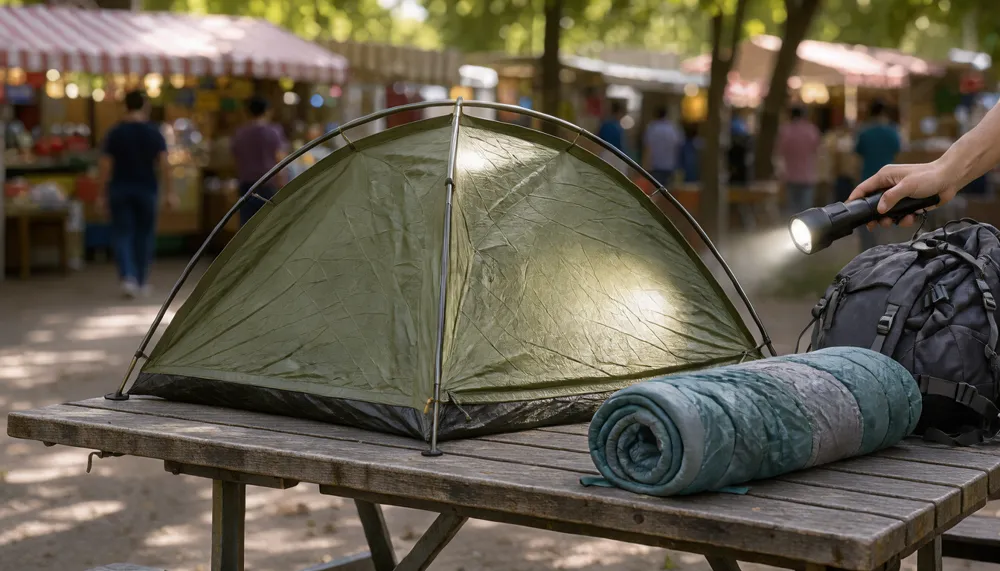 Buying Used Camping Gear at Flea Markets: What to Check for Wear and Tear
 A Guide to Second-Hand Shopping and Markets in Sydney