
Buying Used Baby Gear: Safety Checks for Strollers, Cribs, and Car Seats
November 13, 2026
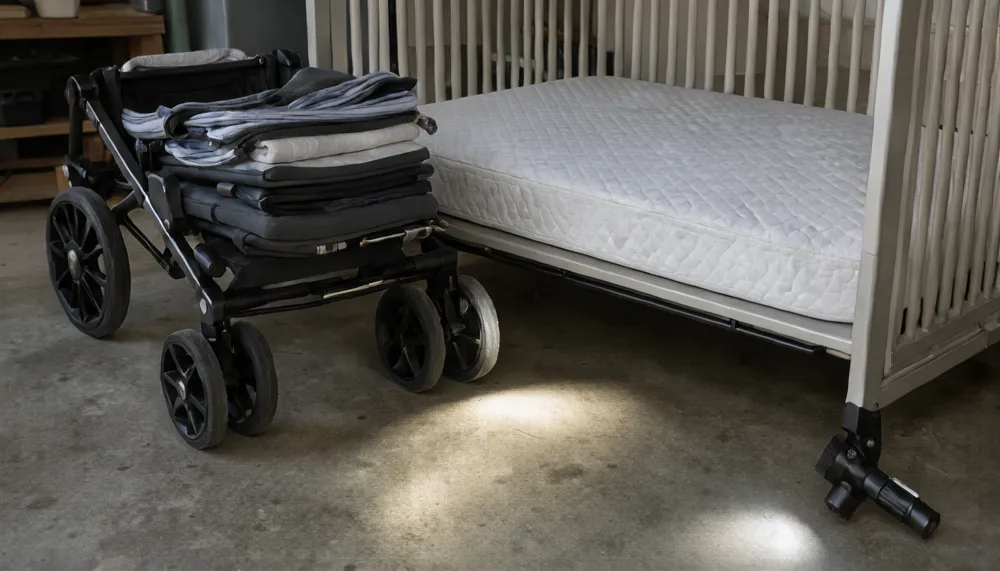
Purchasing used baby gear is a sustainable and budget-friendly way to prepare for a new arrival, but it requires a keen eye for detail. Unlike clothing or toys, safety equipment like strollers, cribs, and car seats relies on structural integrity and specific safety standards that can degrade over time or vary by region. While the appeal of a good deal is strong, the primary goal must always be the safety of the child. This guide walks you through the essential checks for the three most critical pieces of equipment, helping you distinguish between a safe bargain and a potential hazard. Remember that safety regulations and recall procedures differ by country, so always verify local standards before finalizing a purchase.
General Principles for All Used Gear
Before diving into specific items, establish a baseline for evaluating any second-hand baby product. The first step is always to check for recalls. Most manufacturers maintain online databases where you can enter the model number and manufacturing date to see if the item has been flagged for safety issues. If a recall exists, the item should generally be avoided unless the manufacturer has provided a verified repair kit that has been installed correctly.
Next, inspect the overall condition. Look for signs of heavy wear, such as frayed straps, cracked plastic, or rusted metal joints. These are not just cosmetic issues; they can indicate structural weakness. Ensure that all moving parts operate smoothly and that locking mechanisms engage firmly. If a part feels loose or requires excessive force to move, it may fail under the stress of daily use. Finally, verify that all original parts are present. Missing screws, buckles, or padding can compromise safety, and replacement parts are not always available for older models.
Inspecting Used Strollers
Strollers are complex mechanical devices that undergo significant stress. When inspecting a used stroller, start with the frame. Check for cracks in the metal or plastic, particularly at the joints and folding mechanisms. A bent frame can cause the stroller to tip over or collapse unexpectedly. Test the brakes thoroughly. They should lock the wheels securely on both flat ground and slight inclines. If the brakes feel spongy or fail to hold the stroller in place, the internal cables or pads may be worn out.
Pay close attention to the harness system. The straps should be free of fraying, and the buckles should click firmly into place. Test the release mechanism to ensure it is not too stiff for an adult to operate quickly in an emergency, but not so loose that a child could easily undo it. Check the seat fabric for tears or thinning, especially where the harness straps pass through. If the fabric is worn, it may not support the child’s weight securely.
Also, consider the age of the stroller. Older models may lack modern safety features, such as improved wheel locks or better stability bases. If the stroller is more than five to seven years old, weigh the cost of potential repairs against the price of a new model. Additionally, ensure the stroller meets the safety standards of your country. For example, some regions require specific wrist strap designs or brake types that may not be present on imported models.
Evaluating Used Cribs and Bassinets
Cribs are perhaps the most critical piece of furniture to inspect carefully, as they are where infants spend the majority of their sleep time. The most important check is the slat spacing. The distance between slats should be no more than 2 3/8 inches (approximately 6 centimeters) to prevent a baby’s head from becoming trapped. Use a ruler or a specific slat gauge to measure this precisely. If the slats are wider, the crib is unsafe for an infant, regardless of its other condition.
Inspect the mattress support system. It should be firm and secure, with no sagging or broken slats. A weak mattress support can lead to suffocation hazards if the mattress sinks too deeply. Check the corners of the crib for sharp edges or splinters, especially if it is made of wood. Sanding down rough spots is possible, but deep cracks in the wood may indicate structural failure. Ensure that all hardware is tight and that the crib does not wobble when gently shaken.
For bassinets and portable cribs, check the mesh sides for tears or holes. The mesh should be taut and securely attached to the frame. Loose mesh can pose a strangulation risk. Verify that the locking mechanisms for the folding frame are robust and that the unit sits flat on the floor without rocking. If the bassinet has wheels, ensure they lock securely. Always confirm that the mattress fits snugly against all sides of the crib, leaving no gaps where a baby could become trapped.
Assessing Used Car Seats
Buying a used car seat is the most controversial aspect of second-hand baby gear. Many safety experts advise against it because you cannot know the seat’s history. If a car seat has been in a moderate or severe crash, its protective capabilities may be compromised, even if it looks intact. Therefore, only consider a used car seat if you know its full history from a trusted source, such as a friend or family member, and you are certain it has never been in an accident.
If you proceed, check the expiration date. Car seats have a limited lifespan, typically six to ten years from the date of manufacture, due to the degradation of plastics and foams. This date is usually stamped on a label on the shell or base. If the seat is expired, it should not be used, as the materials may no longer provide adequate protection in a crash. Inspect the harness straps for fraying, twisting, or stiffness. The straps should slide smoothly through the slots and lock firmly when tightened. Test the buckle to ensure it releases easily with one hand but stays locked under tension.
Examine the shell for cracks, particularly around the belt path and the base. Even small cracks can weaken the structure. Check the base for stability; it should not rock more than an inch side-to-side or front-to-back when installed. Ensure that all adjustment mechanisms, such as recline angles and headrest positions, function correctly. If the seat is missing any parts, such as the anti-rebound bar or head support, it may not perform as designed. Always register the seat with the manufacturer if possible, even if it is used, to receive future recall notifications.
Navigating International Standards and Customs
When buying used gear, especially from online marketplaces or international sellers, be aware that safety standards vary by country. The European Union, the United States, Canada, Australia, and other regions have different testing requirements and labeling standards. A car seat certified for Europe may not meet the side-impact testing requirements of the US, and vice versa. Always check the certification label on the product to ensure it complies with the regulations of the country where you will be using it.
Customs regulations can also affect the import of used baby gear. Some countries restrict the import of used car seats or cribs due to safety concerns or to protect local industries. Before purchasing from an overseas seller, check your country’s customs website for any restrictions on used baby products. You may need to provide proof of safety certification or pay additional duties. Additionally, consider the availability of replacement parts. If you buy a stroller from a brand that does not operate in your country, finding replacement wheels or fabric may be difficult and expensive.
Documentation and Verification
Gather as much documentation as possible before making a purchase. Ask the seller for the original receipt, which can help verify the purchase date and model. Request photos of the serial numbers and manufacturing dates. These details are crucial for checking recalls and expiration dates. If the seller cannot provide this information, proceed with caution. A lack of documentation often indicates that the item has been stored for a long time or was purchased second-hand themselves, making its history unknown.
If possible, meet the seller in person to inspect the item. Bring a tape measure, a flashlight, and any tools needed to check tightness. Test all functions on the spot. If you are buying online, ask for detailed videos of the item in use. Look for videos that show the stroller folding, the crib slats being measured, and the car seat harness being tightened. Be wary of sellers who are reluctant to provide additional information or who pressure you to buy quickly.
Conclusion
Buying used baby gear can be a smart financial and environmental choice, but it demands diligence. By carefully inspecting strollers, cribs, and car seats for structural integrity, safety features, and compliance with local standards, you can find reliable equipment that keeps your child safe. Always prioritize safety over price, and when in doubt, walk away. With thorough checks and a clear understanding of the risks, you can confidently navigate the second-hand market and secure quality gear for your family.
For those looking to find local sellers or browse listings in their area, Bazarmap shows such posts on a free live map, helping you connect with nearby options without leaving your home.
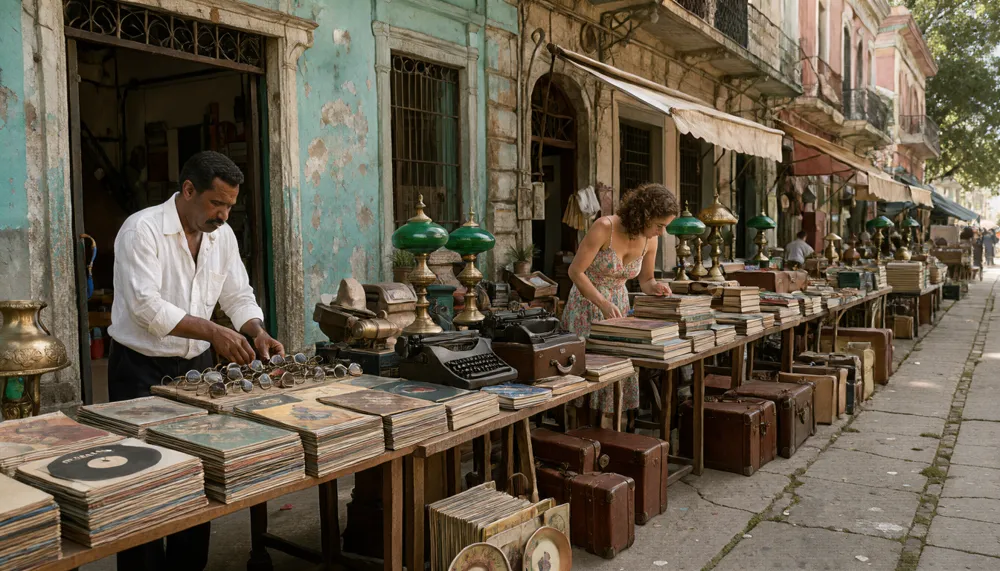 A Guide to Flea Markets, Second-Hand, and Charity Shops in Havana
 A Guide to Second-Hand Shopping in Norwich
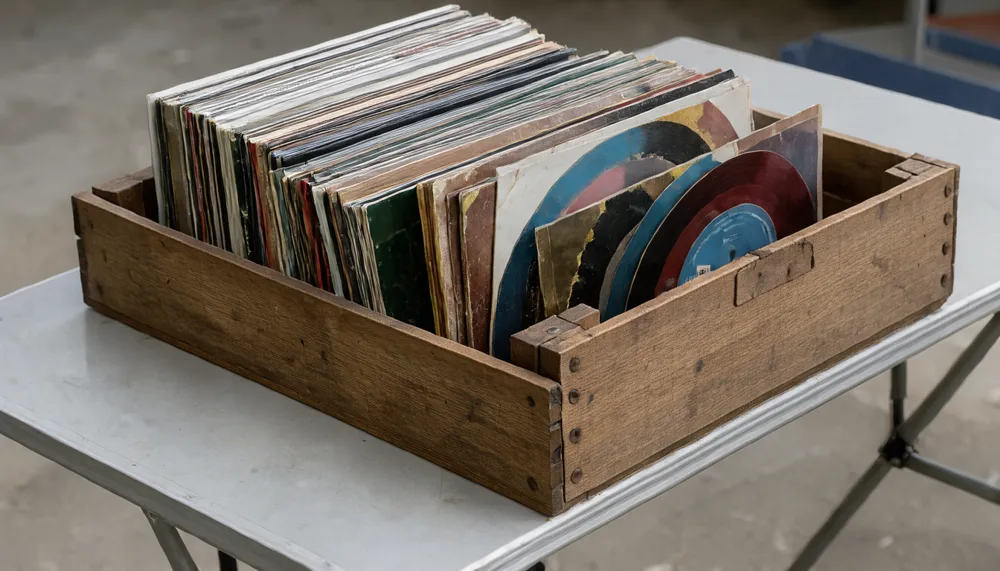 Selling Vinyl Records at a Garage Sale: Grading, Pricing, and Display
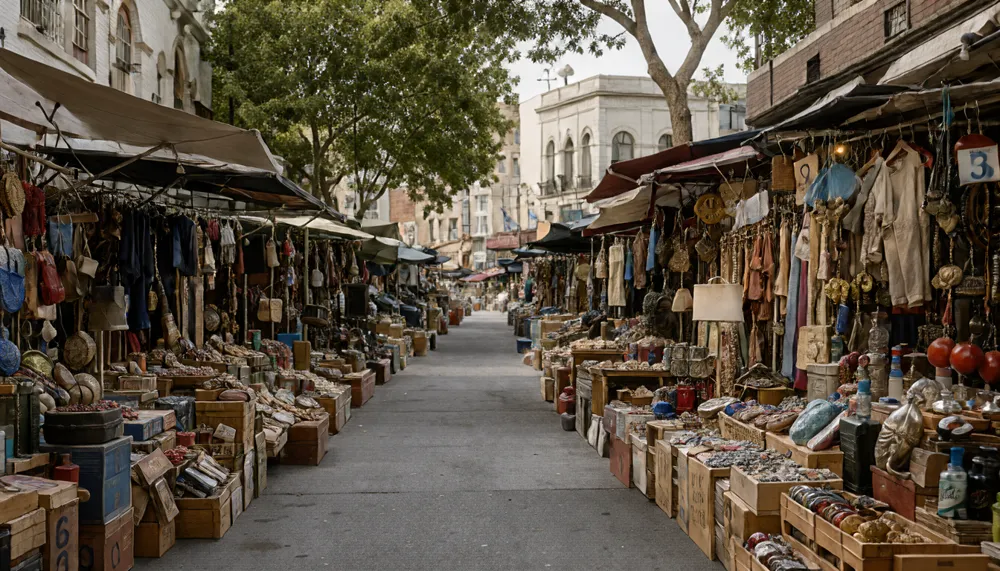 A Guide to Second-Hand Shopping in Los Angeles
 Rehoming Pets from Your Home: Safe Screening and Handover Tips
 A Guide to Second-Hand Shopping and Local Markets in Shanghai