
Rehoming Pets from Your Home: Safe Screening and Handover Tips
November 11, 2026
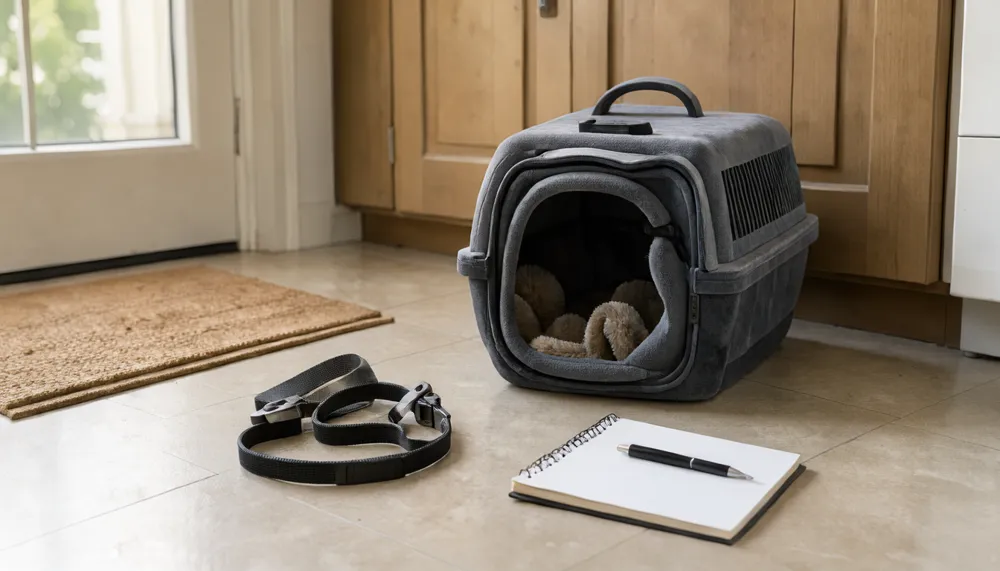
Rehoming a pet is a significant responsibility that requires more than just finding a new owner; it demands a careful process to ensure the animal’s safety and well-being. Whether you are moving abroad, facing unexpected life changes, or simply need to find a better fit for your pet’s needs, the transition must be handled with diligence and care. While the emotional aspect of letting go is challenging, the logistical side involves specific steps to protect both you and the animal. This guide outlines practical strategies for screening potential adopters, arranging safe meetings, and executing a secure handover, keeping in mind that local customs and regulations may vary by country.
Preparing Your Pet and Documentation
Before you begin advertising your pet, ensure that all necessary preparations are complete. This step is crucial for establishing trust with potential adopters and ensuring a smooth transition. Start by gathering all relevant documentation, including vaccination records, microchip registration details, and any veterinary history. If your pet has specific medical needs or dietary requirements, document these clearly. A well-prepared pet is easier to rehome and signals to potential adopters that you are a responsible owner.
Consider the timing of the rehoming process. If possible, allow a few weeks for the transition rather than rushing to find a home immediately. This buffer time allows you to screen candidates thoroughly and lets your pet adjust to the idea of change. In some countries, it is customary to include a trial period, while in others, the handover is immediate. Understanding these local norms can help you set realistic expectations for the process.
Crafting a Clear and Honest Listing
When you are ready to advertise, create a listing that is transparent and detailed. Include high-quality photos that show your pet’s personality and physical condition. Be honest about any behavioral quirks, health issues, or special needs. Potential adopters appreciate honesty, and it helps filter out candidates who may not be a good fit. Mention the pet’s age, breed (if known), size, energy level, and compatibility with children or other animals.
You may also want to mention where you are posting. For instance, Bazarmap shows such posts on a free live map, which can help you reach local neighbors who might be interested in adopting nearby. However, do not rely solely on one platform. Use multiple channels, such as local community boards, social media groups, and dedicated pet adoption websites, to maximize visibility while maintaining control over the screening process.
Initial Screening: The Questionnaire
Once you receive inquiries, the first step is a preliminary screening. This can be done via email or messaging apps before any phone calls or meetings are arranged. Prepare a standard set of questions to ask every potential adopter. This ensures consistency and helps you compare candidates objectively. Key questions should cover their living situation, experience with pets, and reasons for rehoming.
Ask about their housing type, such as whether they live in a house with a garden or an apartment, and if they have permission from landlords or homeowners’ associations. In many countries, rental agreements have strict pet policies, so verifying this early saves time. Inquire about their daily routine and how much time they can dedicate to exercise and training. If they have other pets, ask about their temperament and how they have been introduced to new animals in the past.
The Virtual Meet-and-Greet
Before meeting in person, consider a virtual meet-and-greet via video call. This step is increasingly common and offers several advantages. It allows you to see the potential adopter’s home environment without inviting strangers into your space prematurely. You can check for safety hazards, such as unsecured fences or toxic plants, and observe how the person interacts with their current pets, if any.
During the video call, pay attention to their demeanor and questions. A serious adopter will ask detailed questions about your pet’s health, behavior, and history. They should also be willing to share information about their own lifestyle and expectations. This interaction helps build rapport and gives you a sense of whether the person is genuinely interested in the pet’s well-being or simply looking for a quick acquisition. If the video call goes well, you can proceed to arrange an in-person meeting.
The In-Person Meeting: Safety First
When arranging an in-person meeting, prioritize safety for both you and your pet. Choose a neutral, public location for the first meeting, such as a park or a quiet café with outdoor seating. This reduces the risk of being overwhelmed in your own home and allows the pet to interact in a less stressful environment. Bring a leash and harness, even if your pet is well-trained, to maintain control during the introduction.
Observe how the potential adopter interacts with your pet. Do they approach calmly? Do they ask for permission before petting? Are they patient with shy or nervous animals? These behaviors are strong indicators of their suitability as an owner. If you have other pets at home, consider whether they should be present. In some cases, it is better to keep the initial meeting focused solely on the rehomed pet to avoid overwhelming everyone involved.
Be mindful of local customs regarding meetings. In some cultures, it is common to meet at the adopter’s home for the first time, while in others, public spaces are preferred. If you decide to visit their home, bring a friend or family member for support. Always let someone know where you are going and when you expect to return. Trust your instincts; if something feels off, it is okay to postpone or cancel the meeting.
The Trial Period and Final Handover
Many rehoming processes include a trial period, which allows both the pet and the new owner to adjust to each other. This period can last from a few days to a few weeks, depending on the pet’s needs and the adopter’s experience. During this time, stay in regular contact with the new owner to check on the pet’s progress. Ask about eating habits, sleep patterns, and any behavioral changes. This communication helps identify issues early and provides support to the new owner.
When the trial period ends and you are confident in the match, arrange the final handover. Ensure that all documents, including vaccination records and microchip transfer forms, are handed over in person. If your pet is microchipped, update the registration details to reflect the new owner’s contact information. This step is critical for ensuring that the pet can be returned to the new owner if they ever get lost.
Consider including a rehoming contract, especially if you are charging a small fee to deter casual adopters. The contract should outline expectations, such as veterinary care, spaying or neutering, and a clause requiring you to be contacted if the new owner can no longer keep the pet. While laws vary by country, a written agreement provides clarity and protects both parties. In some regions, verbal agreements are standard, but a written document is always recommended for rehoming from home.
Conclusion
Rehoming a pet from your home is a process that requires patience, preparation, and vigilance. By preparing your pet and documentation, crafting an honest listing, and conducting thorough screenings, you increase the chances of finding a loving and suitable home. The use of virtual meet-and-greets and safe in-person meetings helps protect both you and the animal during the transition. Remember that customs and regulations may differ by country, so stay informed about local practices and trust your instincts throughout the process. With careful planning and attention to detail, you can ensure a smooth and successful rehoming experience for your pet.
 A Guide to Second-Hand Shopping in Los Angeles
 A Guide to Second-Hand Shopping and Local Markets in Shanghai
 How to Spot and Buy a Good Vintage Bicycle at a Flea Market
 A Guide to Second-Hand Shopping in Manchester
 Selling Antique Furniture: Local Pickup vs. Shipping for Online Buyers
 A Guide to Second-Hand Shopping in Copenhagen