
Estate Sale, Garage Sale, or Flea Market: Which One Fits You?
October 2, 2026
Choosing the right venue to sell unwanted items can significantly impact how quickly you clear space and how much revenue you generate. While the terms are often used interchangeably in casual conversation, estate sales, garage sales, and flea markets each serve distinct purposes and attract different types of buyers. Understanding these differences helps you align your strategy with your goals, whether you are downsizing a home, clearing out seasonal clutter, or building a side income. This guide breaks down the characteristics of each format to help you decide which approach best suits your situation.
Understanding the Core Differences
Before diving into specifics, it is helpful to distinguish the primary drivers behind each format. An estate sale is typically tied to a life event, such as moving, downsizing, or the passing of a relative. The goal is often to clear an entire household efficiently. A garage sale is usually a smaller-scale event focused on decluttering specific items from a home, often held in the driveway or garage itself. Flea markets are recurring events, often weekly or monthly, where vendors set up booths to sell goods regularly. These markets tend to have a more established rhythm and a consistent customer base compared to one-off home sales.
The choice depends largely on the volume of items you have and the timeline you are working with. If you need to empty a house in a weekend, an estate sale format is often most effective. If you have a few boxes of clothes and kitchenware, a garage sale is sufficient. If you enjoy the routine of selling and have a niche collection, a flea market booth might be the most sustainable option.
When to Choose an Estate Sale
Estate sales are designed for comprehensive clearing. They are ideal when you have a large volume of diverse items, including furniture, artwork, jewelry, and household goods. Because the scope is broad, buyers expect to find everything from vintage linens to mid-century modern chairs. This format works best when you have a tight deadline, such as a lease ending or a move to a smaller apartment.
In many countries, estate sales are organized by professional liquidators or by family members working together. The key advantage is efficiency. By pricing items realistically and organizing them by room or category, you can attract serious buyers who are looking to furnish homes or find unique pieces. However, this format requires significant preparation. You must sort, price, and display items clearly. Unlike a casual garage sale, estate sales often involve a more structured approach to pricing, sometimes using tiered discounts over the course of the weekend to encourage sales.
Consider an estate sale if: * You are moving or downsizing and need to clear a whole house. * You have high-value items like antiques, art, or quality furniture. * You want to attract buyers who are specifically looking for home furnishings. * You have help available to manage the flow of people and items.
When to Opt for a Garage Sale
Garage sales are the most common form of decluttering for many households. They are informal, low-pressure, and require less preparation than estate sales. Typically, you set up tables in your driveway or garage and display items that are no longer needed. The atmosphere is casual, and buyers often browse for bargains on everyday items like clothes, toys, books, and small appliances.
This format is excellent for testing the waters of selling without committing to a long-term schedule. It allows you to interact directly with neighbors and local community members. In some regions, garage sales are community events where multiple households coordinate their sales on the same day to draw larger crowds. This can be a strategic move to increase visibility without increasing individual effort.
However, garage sales can be unpredictable. Weather plays a significant role, as rain can deter foot traffic. Additionally, the quality of buyers can vary widely, ranging from serious collectors to casual browsers. To maximize success, focus on high-demand items and keep your pricing simple. Avoid overstocking your space, as clutter can make it difficult for buyers to see what is available.
Consider a garage sale if: * You have a moderate amount of household items to sell. * You prefer a casual, low-commitment selling experience. * You want to engage with your immediate neighborhood. * You have limited time for setup and teardown.
Exploring Flea Markets
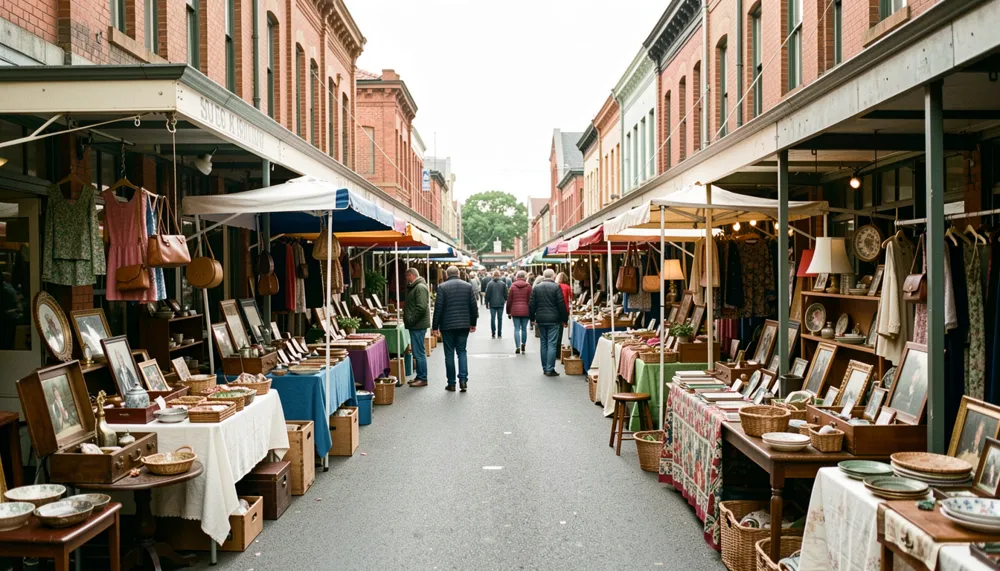
Flea markets offer a different dynamic. They are often recurring events held in parking lots, community centers, or dedicated market squares. Unlike one-off home sales, flea markets provide a consistent platform for selling. This is ideal if you have a specific niche, such as vintage clothing, handmade crafts, or collectibles. The regularity allows you to build a reputation and a loyal customer base over time.
Flea markets vary significantly by country and region. In some places, they are primarily tourist attractions, while in others, they are essential hubs for local commerce. Understanding the local culture is crucial. In certain areas, haggling is expected and part of the social interaction, while in others, fixed pricing is the norm. Researching the specific etiquette of your local market can help you set appropriate expectations for buyers.
Setting up at a flea market requires more logistical planning than a garage sale. You may need to rent a booth, bring your own tables and lighting, and manage inventory over several hours or days. However, the payoff can be higher if you target the right audience. Buyers at flea markets are often intentional shoppers looking for specific items, which can lead to better prices for unique goods.
Consider a flea market if: * You have a niche inventory or specialized goods. * You enjoy the routine of regular selling. * You want to build a brand or following over time. * You are comfortable with the logistics of setting up a booth.
Preparing Your Inventory
Regardless of the format you choose, preparation is key to a successful selling experience. Start by sorting your items into categories. This makes it easier to display them logically and helps buyers find what they are looking for quickly. Clean your items thoroughly; dust and dirt can significantly reduce perceived value. A clean item looks cared for and is more likely to sell.
Pricing strategy also differs by format. For estate sales, consider pricing items slightly below retail to encourage quick turnover. For garage sales, low prices are often the main draw, so keep tags simple and visible. At flea markets, you might have more flexibility to negotiate, especially if you are selling unique or handmade items. Always have small bills and change available, as many buyers prefer cash transactions.
It is also wise to have a plan for unsold items. Decide in advance whether you will donate them, recycle them, or keep them for another sale. This prevents the frustration of having to re-sort everything after the event ends. Having a clear end-of-day plan helps you close out the sale efficiently and keeps your space organized.
Adapting to Local Customs
Selling habits vary greatly across different cultures and regions. In some countries, estate sales are a major cultural event, with neighbors gathering early in the morning to browse. In others, garage sales might be less common, with people preferring online platforms or charity shops. Flea markets may operate on different schedules, such as early mornings on weekends or evenings on weekdays.
Observing local norms can enhance your experience. For instance, in some areas, it is customary to offer coffee or water to buyers, creating a welcoming atmosphere. In other places, a more direct, business-like approach is preferred. Pay attention to how other sellers in your area operate. If you notice that most vendors at the local flea market use specific types of displays or pricing signs, consider adopting similar practices to blend in and attract local buyers.
Additionally, consider the timing of your sale. In warmer climates, morning sales might be more comfortable for buyers, while in cooler regions, midday might be preferable. Check local community boards or online maps to see when similar events are held in your area. Bazarmap shows such posts on a free live map, which can help you identify nearby opportunities and understand the typical schedule for your region.
Making the Final Decision
Choosing between an estate sale, garage sale, or flea market ultimately depends on your inventory size, your timeline, and your personal preferences. Estate sales are best for large-scale clearing and high-value items. Garage sales are ideal for casual decluttering and community engagement. Flea markets suit those with niche products who enjoy regular selling routines.
Start by assessing what you have to sell. If you have a full house of furniture and decor, lean toward the estate sale format. If you have boxes of clothes and toys, a garage sale is likely sufficient. If you have a curated collection of vintage items, a flea market booth might offer the best return. Do not hesitate to mix approaches. You might hold a garage sale for everyday items and take your best collectibles to a flea market. By matching the format to your inventory, you maximize your chances of selling efficiently and enjoying the process.
 Planning a Second-Hand Shopping Day in Melbourne
 Books, vinyl and games: what second-hand buyers look for
 Guide to Second-Hand Shopping in Chattogram
 Car Boot Sales: How to Sell and Buy Like a Regular