
Haggling at flea markets and garage sales: polite ways to get a better price
October 9, 2026
Negotiating prices at flea markets and garage sales is a common practice in many cultures, serving as both a social interaction and a financial strategy. While the expectation to haggle varies significantly depending on your location, the core principles of respectful communication remain universal. Whether you are browsing a bustling open-air market in a Mediterranean city or a quiet suburban driveway sale, understanding how to approach price discussions can help you secure better deals while maintaining a positive rapport with sellers. This guide outlines practical, polite strategies to navigate these interactions effectively, ensuring that both parties leave the encounter feeling satisfied.
Understanding Local Customs and Expectations
Before approaching a stall or a table, it is helpful to observe the general atmosphere and understand the local norms regarding negotiation. In some regions, haggling is an expected part of the buying process, viewed as a friendly exchange of dialogue. In others, prices are fixed, and attempting to negotiate might be seen as intrusive or unnecessary. Observing how other customers interact with vendors can provide valuable clues. If you see others engaging in brief discussions about price, it is likely acceptable to do the same. If customers pay the listed price without comment, it may be best to respect that convention. Always start with a smile and a greeting, as establishing a friendly tone early on sets the stage for a successful interaction.
- Observe other buyers to gauge the level of interaction expected.
- Greet the seller warmly before starting any discussion.
- Be mindful that in some cultures, silence is a valid part of the negotiation process.
Preparation and Research Before You Arrive
A successful negotiation often begins before you even step onto the market grounds. Having a clear idea of what items are worth helps you make informed decisions and avoid overpaying. This does not require extensive academic research, but a basic understanding of the item’s condition, age, and general market value is beneficial. For vintage items, checking online listings for similar products can provide a baseline expectation. For everyday household goods, knowing the typical retail price of a new equivalent helps you assess if the second-hand price is reasonable. This preparation allows you to speak confidently and justify your offers with logic rather than just desire.
- Check online listings for comparable items to establish a baseline value.
- Assess the condition of items carefully to identify flaws that justify a lower price.
- Decide on a maximum budget for each item before you begin shopping.
The Art of the Polite Opening Offer
When you decide to make an offer, clarity and respect are key. Start by expressing genuine interest in the item. Sellers are more likely to engage positively with buyers who appreciate their goods. Once you have established interest, propose a price that is reasonable based on your prior research. It is generally advisable to start slightly below your target price to leave room for compromise, but avoid making offers that are drastically low, as this can be perceived as disrespectful. A good rule of thumb is to offer around 70-80% of the asking price, adjusting based on the item’s condition and the seller’s demeanor. Explain briefly why you are offering that amount, focusing on objective factors like wear or functionality.
- Express genuine appreciation for the item before discussing price.
- Base your offer on objective observations of condition and value.
- Avoid extreme low-ball offers that may discourage further conversation.
Leveraging Multiple Items for Better Deals
One of the most effective strategies in flea market and garage sale settings is bundling items. Sellers often prefer to clear space quickly and may be willing to lower the total price if you purchase several items at once. This approach benefits both parties: you get a better overall value, and the seller reduces their inventory with fewer transactions. When selecting items to bundle, choose things that complement each other or fit within your immediate needs. Present the bundle as a single transaction, offering a total price that is attractive to both sides. This method works particularly well for smaller items where individual negotiation might feel tedious for both parties.
- Select multiple items that fit together logically or practically.
- Offer a combined price that reflects a slight discount on the total sum.
- Highlight the convenience of a single transaction for the seller.
Timing Your Visit for Optimal Results
The time of day and day of the week can significantly influence your negotiating power. Early mornings often bring fresh inventory and motivated sellers who are eager to start their day with sales. However, late in the day, especially towards closing time, sellers may become more flexible as they aim to pack up and leave. This is particularly true for garage sales, where the goal is often to clear out space rather than maximize profit on every single item. If you visit near the end of the sale period, you may find sellers more willing to accept lower offers to avoid hauling items back inside. Always be respectful of the seller’s schedule and do not linger unnecessarily if they are preparing to close.
- Visit early for the best selection and fresh inventory.
- Visit late in the day for potentially more flexible pricing.
- Respect the seller’s closing time and keep interactions concise.
Communicating Clearly and Respectfully
Effective negotiation relies on clear, concise communication. Avoid overly complex explanations or lengthy stories about why you want the item. Instead, focus on specific, observable details that justify your offer. If an item has a scratch, a missing part, or outdated styling, mention these factors politely as reasons for your proposed price. Listen actively to the seller’s responses and be prepared to meet halfway. If the seller counters your offer, consider it carefully before responding. A simple "That sounds fair" or "I can do that" can close the deal efficiently. Remember that the goal is a mutually beneficial agreement, not a victory over the seller.
- Keep explanations brief and focused on observable item details.
- Listen actively to the seller’s counter-offers.
- Aim for a middle ground that satisfies both parties.
Conclusion
Negotiating at flea markets and garage sales is a skill that blends observation, preparation, and respectful communication. By understanding local customs, preparing with basic research, and approaching sellers with genuine interest, you can achieve better prices without compromising the positive spirit of the interaction. Whether you are bundling items for convenience or timing your visit for maximum flexibility, these strategies help create a win-win scenario. Platforms like Bazarmap show such posts on a free live map, helping buyers locate nearby opportunities to practice these skills. Ultimately, a polite and informed approach ensures that every transaction is pleasant and efficient, fostering good relationships within your community and beyond.
 A Guide to Second-Hand Shopping and Flea Markets in Kyiv
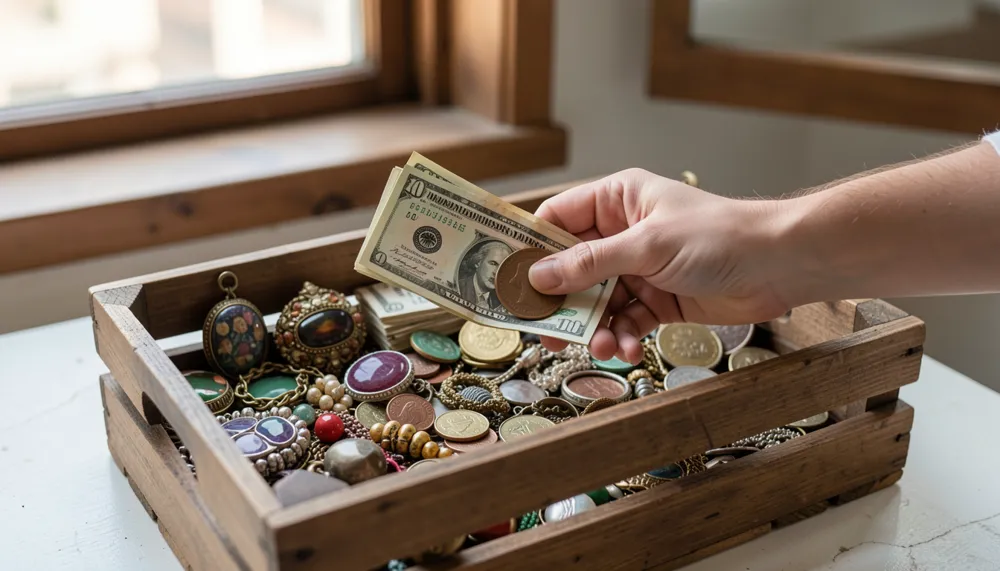 Polite Phrases to Negotiate Prices at Flea Markets
 A Guide to Flea Markets, Second-Hand Shops, and Charity Stores in Hong Kong
 How to Give Away Houseplants Responsibly to New Owners
 A Guide to Flea Markets and Second-Hand Shopping in Lugulu, Kenya
 What to Check When Buying Second-Hand Kitchenware