
Selling Used Bicycles: Safety Checks and Pricing for Quick Local Pickup
November 20, 2026
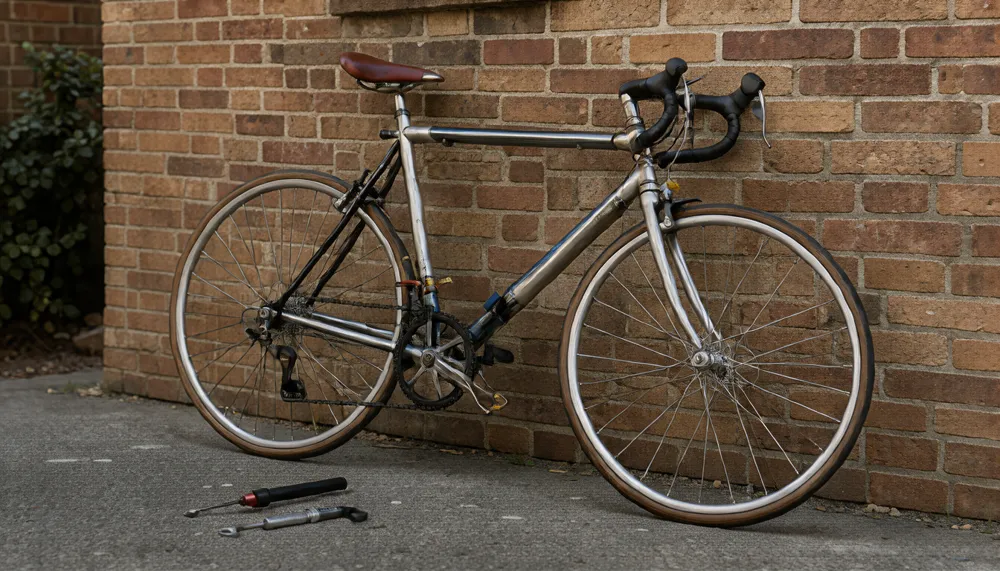
Selling a used bicycle can be a rewarding way to declutter your garage and earn some extra cash, but it requires more than just posting a photo and waiting for a message. Because bicycles are mechanical devices that rely on the rider’s safety, the transaction involves a higher degree of trust and verification than selling a piece of furniture or clothing. To ensure a smooth experience, you need to perform a thorough safety inspection, set a realistic price based on the bike’s condition, and arrange a secure, efficient local pickup. This guide walks you through the essential steps to prepare your bike for sale, determine its value, and manage the handover process safely.
Conducting a Thorough Safety Inspection
Before you even think about listing your bike, you must ensure it is mechanically sound. A buyer will likely test ride the bicycle, and if it fails basic safety checks, the sale will likely fall through. Start with the tires. Check for cuts, cracks in the rubber, or embedded debris. Ensure the tires hold air properly and that the bead is seated correctly on the rim. If the tires are worn down to the casing, note this in your listing, as it may affect the price or require replacement before the sale.
Next, inspect the braking system. Squeeze the brake levers to ensure they engage firmly and do not rub against the rims or rotors when released. For rim brakes, check the pad wear; if the grooves are gone, the pads need replacing. For disc brakes, ensure the rotors are not warped and that the pads have sufficient material. Test the shifting mechanism by running through all gears while the bike is in a stand or held upright. The chain should move smoothly between cogs without skipping or grinding. If the shifting is sluggish, a simple cable adjustment might fix it, but be honest about the current state in your description.
Finally, check the frame and wheels for structural integrity. Look for cracks in the frame, especially around the welds and the head tube. Spin the wheels to see if they wobble; a slight wobble might be fixable with truing, but a severe bend usually means the wheel needs replacement. Check the headset and bottom bracket for play by rocking the handlebars and cranks. If there is any looseness, the bearings may need service. Documenting these checks helps you answer buyer questions confidently and demonstrates that you have maintained the bike well.
Cleaning and Presentation Matters
A clean bike sells faster and often for a better price than a dirty one. You do not need to perform a full mechanical overhaul, but a deep clean makes a significant difference in perceived value. Use a degreaser on the chain, cassette, and chainrings to remove built-up grime. Wipe down the frame with a damp cloth and mild soap, paying attention to the fork, seat post, and handlebars. Remove any stickers or decals if they are peeling or outdated, as this gives the bike a fresher look.
Take high-quality photos in natural daylight. Avoid taking pictures in a dim garage or against a cluttered background. Position the bike on a clean surface, such as a driveway or a patch of grass, and shoot from multiple angles. Include a close-up of the drivetrain, the tires, and any unique features like suspension locks or integrated lights. If the bike has scratches or dents, photograph them clearly. Transparency builds trust; buyers appreciate knowing exactly what they are getting, and hiding flaws often leads to disputes during the pickup.
Determining a Fair Market Price
Pricing a used bicycle is often the most challenging part of the process. There is no single standard price, as value depends on the brand, model, age, condition, and local demand. Start by researching similar listings in your area. Look for bikes of the same make and model with similar mileage and condition. Note the asking prices, but remember that the final sale price is often lower than the listed price. If you are unsure, consider the age of the bike. A bike that is five years old with moderate wear will typically sell for a fraction of its original retail price.
Consider the components when setting your price. High-end groupsets, such as those from Shimano Ultegra or SRAM Force, retain value better than entry-level components. If the bike has been upgraded with new tires, a comfortable saddle, or a quality lock, mention these additions, as they add value. However, do not overprice based on upgrades alone if the frame is heavily worn. A good rule of thumb is to start slightly higher than your target price to allow for negotiation. Be prepared to justify your price with the condition report and photos. If the bike has been serviced recently, include receipts if available, as this can justify a higher asking price.
Writing an Effective Listing
Your listing description should be clear, concise, and honest. Start with the make, model, and year of the bike. Specify the frame size, as this is crucial for buyers to determine if the bike fits them. If you are unsure of the size, measure the seat tube length or provide the rider height range that the bike suits. List the wheel size (e.g., 26-inch, 27.5-inch, 700c) and the type of brakes and gears.
In the condition section, be specific. Instead of saying "good condition," describe the wear. For example, "minor scratches on the down tube, tires have 80% tread left, brakes recently adjusted." Mention any known issues, such as a creaky saddle or a stiff shifter. This honesty prevents buyers from arriving with unrealistic expectations. Include information about accessories included in the sale, such as lights, a pump, or a lock. If the bike requires assembly, clarify this. Most buyers prefer a bike that is ready to ride, so if you can provide it fully assembled, highlight this advantage.
Arranging a Safe Local Pickup
For most used bicycle sales, local pickup is the most efficient and secure method. It allows the buyer to inspect and test ride the bike before paying, which reduces the risk of post-sale disputes. When arranging the pickup, choose a public, well-lit location during daylight hours. A busy café parking lot, a police station lobby, or a community center are good options. Avoid meeting at your home unless you are comfortable with strangers entering your property, and never meet at a remote location.
Communicate clearly about the pickup time and location. Confirm the appointment a few hours before the meeting to ensure both parties are still interested. When the buyer arrives, allow them to inspect the bike thoroughly. Let them test ride it in a safe area. Be present during the inspection to answer questions and demonstrate how the gears and brakes work. If the buyer decides to proceed, agree on the final price before exchanging money. Cash is often preferred for local transactions as it is immediate and avoids bank transfer delays, but if you accept digital payments, ensure the funds have cleared before handing over the bike.
Navigating International and Regional Differences
While the core principles of selling a bike remain the same, customs and regulations can vary by country. In some regions, there may be specific requirements for selling used goods, such as tax implications for frequent sellers or regulations on second-hand vehicle sales. If you are selling in a country with strict consumer protection laws, be aware that buyers may have rights to return items if they are not as described. Always keep a record of the transaction, including photos of the signed receipt or a digital confirmation of payment.
If you are selling to a buyer from a different region or country, shipping becomes a factor. Shipping a bicycle is complex and expensive, often requiring disassembly and professional packing. Unless you are experienced in shipping, it is usually best to stick to local buyers. If you must ship, use a reputable carrier and insure the package for the full value of the bike. Be aware that customs duties may apply when crossing borders, and clarify who is responsible for these costs in the listing. Generally, the buyer is responsible for import taxes, but this should be stated explicitly to avoid surprises.
Leveraging Local Platforms for Visibility
To reach potential buyers quickly, use platforms that specialize in local transactions. Many community marketplaces allow you to post your bike on a free live map, such as Bazarmap, which helps buyers find items nearby without the need for shipping. This feature is particularly useful for bulky items like bicycles, as it encourages local pickup and reduces logistical hurdles. When using these platforms, ensure your profile is complete and responsive. Quick replies to inquiries increase the likelihood of a sale.
Consider posting in multiple relevant groups or forums, such as local cycling clubs or neighborhood buy-and-sell groups. Tailor your message to the audience; cycling enthusiasts may appreciate technical details about the components, while casual buyers may focus on the bike’s usability and appearance. Monitor your listings regularly and refresh them if they have not sold after a few weeks. Adjusting the price slightly or adding new photos can reignite interest. Remember that the goal is a quick, safe sale, so be flexible with pickup times and open to reasonable offers.
Conclusion
Selling a used bicycle successfully requires preparation, transparency, and attention to safety. By conducting a thorough mechanical inspection, presenting the bike in its best light, and pricing it fairly based on market conditions, you increase your chances of a quick sale. Arranging a safe local pickup in a public place protects both you and the buyer, while clear communication and honest descriptions build trust. Whether you are selling a commuter bike or a high-end road machine, following these steps ensures a smooth transaction. Take the time to prepare your bike properly, and you will find that selling it can be a straightforward and satisfying experience.
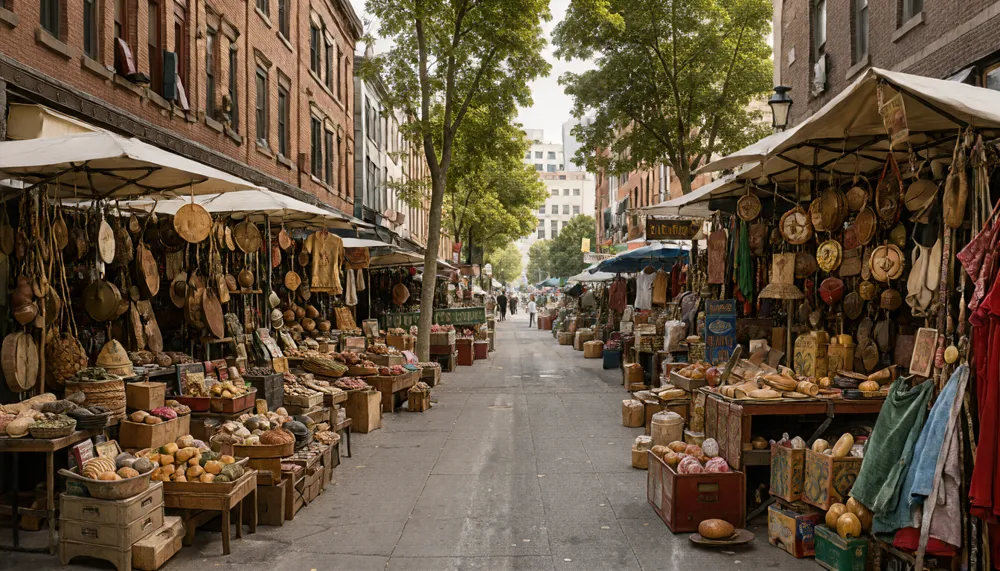 A Guide to Second-Hand Shopping and Markets in Philadelphia
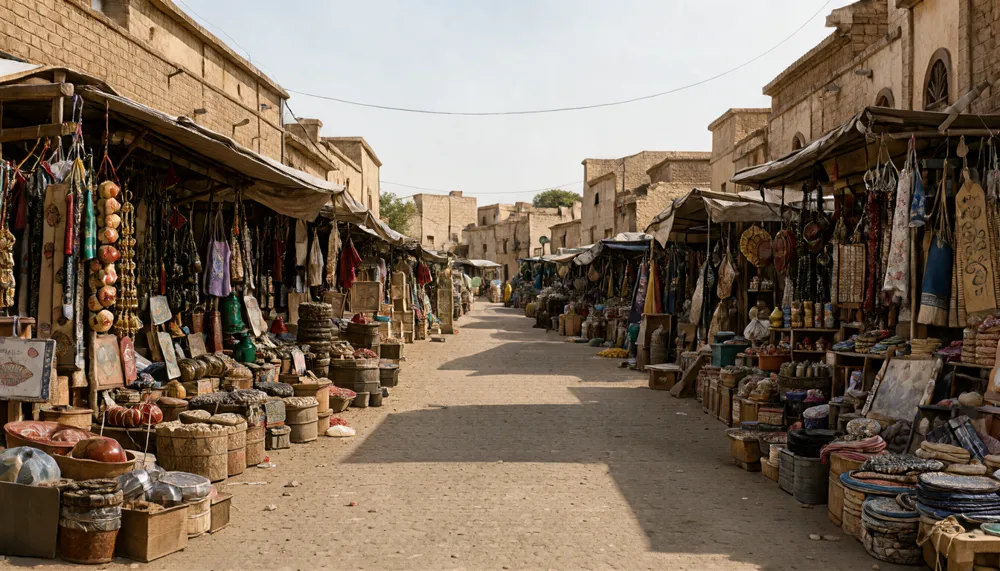 A Guide to Second-Hand Shopping and Markets in Ouagadougou
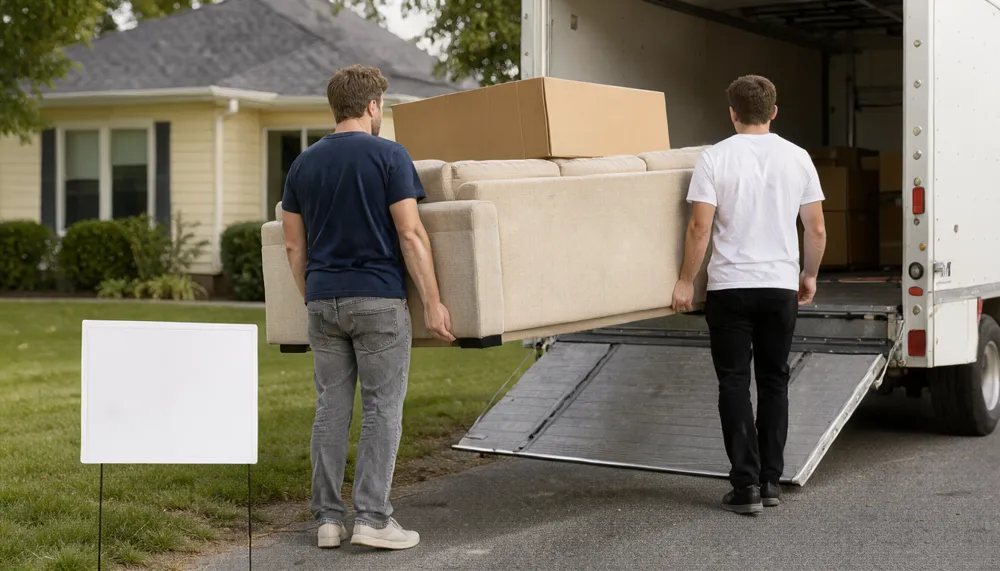 Helping Friends Move and Sell: A Guide to Organizing a Joint Moving Sale
 A Guide to Second-Hand Shopping in Toulouse
 Selling Vintage Clothing at Car Boot Sales: Folding, Pricing, and Attracting Buyers
 A Guide to Second-Hand Shopping in Edinburgh