
Sunday Markets and Weekend Flea Markets: How to Find the Good Ones Near You
October 17, 2026
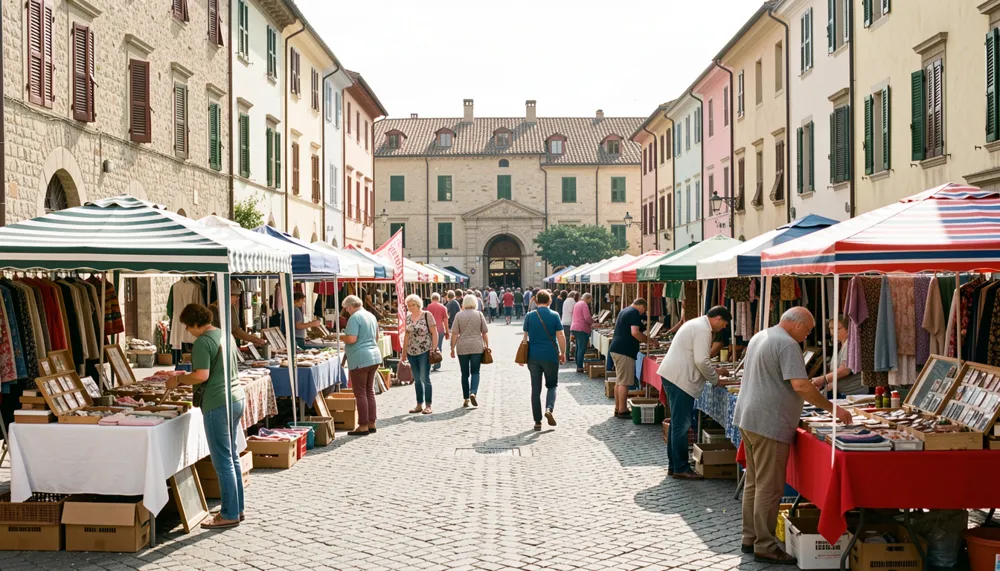
Sunday markets and weekend flea markets offer a unique blend of commerce, community interaction, and cultural immersion. Unlike standard shopping malls or online retailers, these markets provide a tactile experience where you can inspect goods closely, negotiate prices, and discover items with history and character. However, the quality of these markets can vary significantly depending on location, timing, and organization. Finding a market that offers genuine value rather than just a crowded space requires a strategic approach. This guide outlines practical methods to identify high-quality markets near you, regardless of your geographic location, while respecting local customs and traditions.
Understanding the Difference Between Market Types
Before searching for a market, it is helpful to understand the distinct categories that exist. While terms are often used interchangeably, the experience differs based on the primary focus of the venue. A Sunday market typically refers to a weekly gathering that may include fresh produce, artisanal goods, and household items. These are often community-focused and emphasize freshness and local craftsmanship. In contrast, flea markets usually focus on second-hand goods, antiques, vintage clothing, and collectibles. They are often characterized by a more eclectic mix of items and a stronger emphasis on negotiation.
In some regions, these distinctions blur. For example, in many European cities, a single large plaza might host a morning produce market that transitions into a flea market in the afternoon. In North America, farmers markets and flea markets are often separate entities with different operating hours. Understanding what you are looking for—fresh food, handmade crafts, or vintage treasures—will help you narrow down your search criteria. Knowing the specific type of market you prefer allows you to filter results more effectively when using digital tools or asking locals for recommendations.
Leveraging Digital Tools and Local Maps
The most efficient way to find nearby markets is to use digital mapping services. While general search engines provide lists, dedicated map applications often offer more precise location data and operating hours. When searching, use specific keywords such as "Sunday market," "farmers market," "flea market," or "open-air market" combined with your city name. This helps filter out indoor shopping centers that may not offer the open-air experience you seek.
Many users find that specialized platforms aggregate these listings effectively. For instance, Bazarmap shows such posts on a free live map, allowing users to visualize clusters of vendors and check real-time activity levels. This visual approach can be particularly useful in dense urban areas where multiple small markets might operate within walking distance of each other. By checking a live map, you can gauge which locations are currently active and avoid arriving at a closed venue.
Additionally, social media platforms can serve as valuable resources. Local community groups on Facebook or Instagram often share updates about pop-up markets or special weekend events. These posts frequently include photos of recent stalls, giving you a preview of the quality and variety available. However, always verify the information with official sources or recent reviews, as social media posts can sometimes be outdated or biased toward specific vendors.
Timing Your Visit for the Best Experience
Timing is crucial when visiting weekend markets. The best time to arrive depends on your goals. If you are looking for the freshest produce or the best selection of unique items, arriving early is generally recommended. Early mornings often coincide with the setup phase, allowing you to browse before crowds build up. This is particularly important for popular markets that attract large numbers of visitors by mid-morning.
Conversely, if you are interested in bargains and discounts, arriving later in the day can be advantageous. As vendors prepare to pack up, they may be more willing to negotiate lower prices to avoid transporting unsold goods back home. This strategy works best in flea markets where inventory is limited and vendors prefer to sell out completely. However, be aware that the selection will be smaller later in the day, so you may miss out on specific items you were hoping to find.
It is also important to consider seasonal variations. In warmer climates, markets may operate year-round with consistent hours. In regions with distinct seasons, outdoor markets may close during winter months or move indoors. Always check the seasonal schedule before planning your visit. Some markets operate only during specific months, while others shift their hours to accommodate daylight changes. Planning ahead ensures you do not arrive to find the market closed or significantly reduced in size.
Evaluating Quality and Authenticity
Not all markets are created equal. Some are heavily commercialized, featuring mass-produced goods that could be found in any retail store. To find markets with genuine character, look for indicators of local involvement and artisanal focus. Markets that prioritize local vendors often feature handmade crafts, locally sourced food, and unique vintage items. These venues tend to support the local economy and offer a more authentic experience.
One way to assess quality is to observe the diversity of the vendors. A good market will have a mix of established sellers and new entrants, offering a variety of goods rather than repeating the same items across multiple stalls. Look for markets that emphasize sustainability, such as those that encourage reusable bags or offer bulk buying options. These practices often correlate with a higher level of care and attention to detail among vendors.
Another indicator is the presence of community engagement. Markets that host live music, workshops, or community gatherings often foster a stronger sense of place and attract a loyal following. These elements suggest that the market is valued by locals, which can be a good proxy for quality. Avoid markets that appear overly sterile or heavily branded, as these may lack the organic charm that makes weekend markets appealing.
Navigating Local Customs and Etiquette
Customs regarding shopping and negotiation vary significantly by country and region. Understanding these nuances can enhance your experience and help you build rapport with vendors. In many parts of Europe and Asia, bargaining is an expected part of the shopping process, particularly in flea markets. Starting with a polite offer and engaging in friendly negotiation is often seen as a respectful interaction. However, in some Western countries, fixed prices are more common, and aggressive haggling may be viewed as unnecessary.
It is also important to respect local schedules. In some cultures, Sunday is a day of rest, and markets may close earlier than expected. In others, Sunday is the primary shopping day, and markets may remain open late into the afternoon. Observing how locals interact with the market can provide clues about appropriate behavior. For example, in some regions, it is customary to greet vendors before browsing, while in others, casual browsing without immediate interaction is preferred.
Additionally, consider the environmental impact of your visit. Many markets encourage sustainable practices, such as bringing your own bags or containers. Adhering to these guidelines shows respect for the community’s values and contributes to a more pleasant environment for everyone. Being mindful of noise levels and keeping the area tidy also helps maintain the market’s appeal for future visitors.
Making the Most of Your Visit
To maximize your time at a weekend market, come prepared with a clear idea of what you want to buy. While browsing is enjoyable, having a list can help you stay focused and avoid impulse purchases. Bring cash in small denominations, as many vendors prefer cash transactions and may not have change for large bills. This is particularly true in smaller, independent markets where digital payment options may be limited.
Take time to explore beyond the main aisles. Many markets have hidden gems tucked away in corners or upper levels. Engaging with vendors by asking about the origin of their goods can lead to interesting conversations and insights into local culture. These interactions often reveal stories behind handmade items or vintage pieces, adding value to your purchase.
Finally, consider visiting markets in different neighborhoods to compare experiences. Each area may have its own character and specialty. By exploring multiple locations, you can develop a better understanding of what works best for your preferences. Over time, you will identify your favorite spots and build a routine that enhances your weekend leisure activities.
Conclusion
Finding high-quality Sunday and weekend markets requires a combination of research, timing, and cultural awareness. By understanding the differences between market types, leveraging digital tools, and respecting local customs, you can discover venues that offer genuine value and community connection. Whether you are seeking fresh produce, unique crafts, or vintage treasures, a well-chosen market can enrich your weekend routine. Start by exploring nearby options, observe how locals engage with these spaces, and adjust your approach based on your personal preferences. With patience and curiosity, you will find markets that not only meet your shopping needs but also enhance your appreciation of local culture.
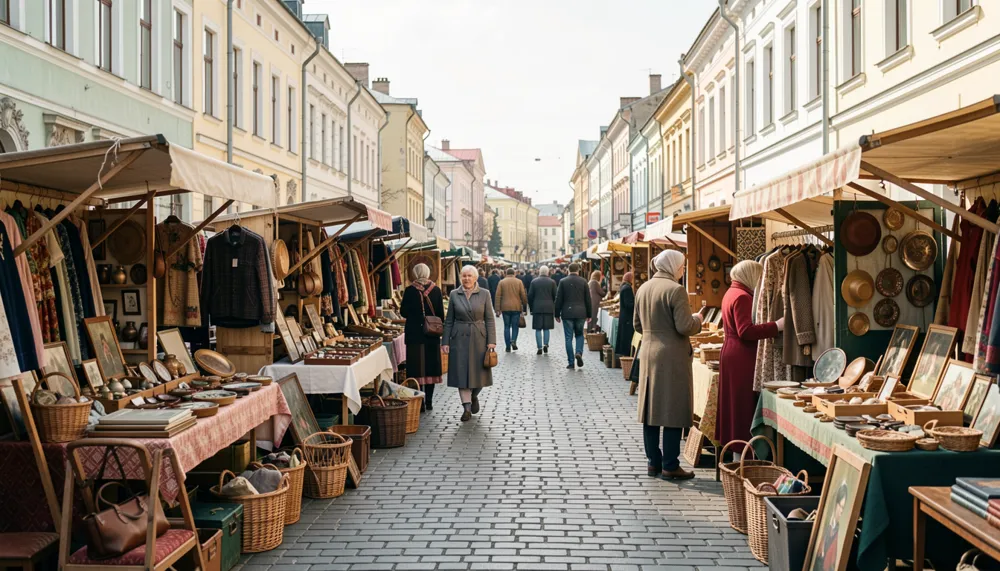 A Guide to Second-Hand Shopping and Flea Markets in Kyiv
 Polite Phrases to Negotiate Prices at Flea Markets
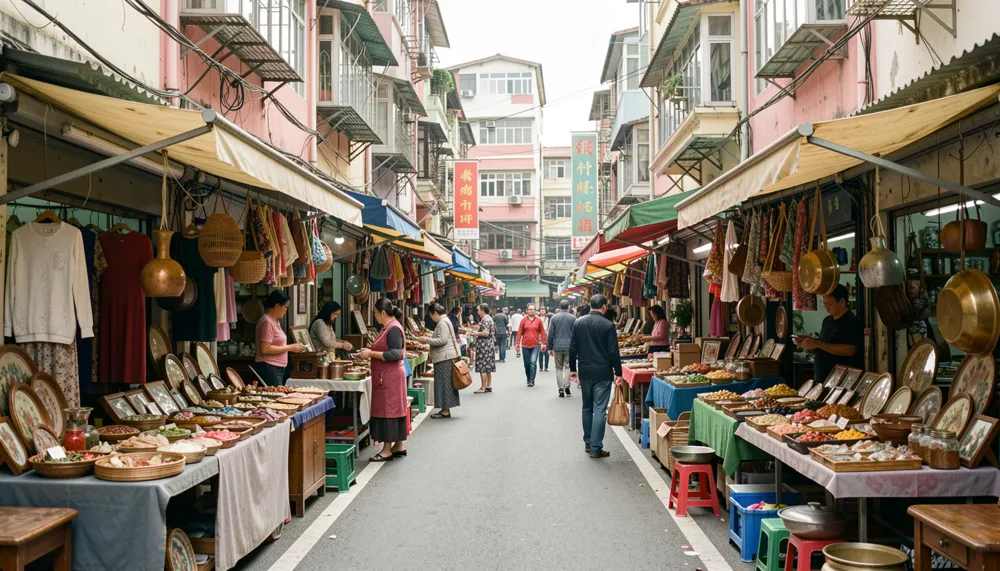 A Guide to Flea Markets, Second-Hand Shops, and Charity Stores in Hong Kong
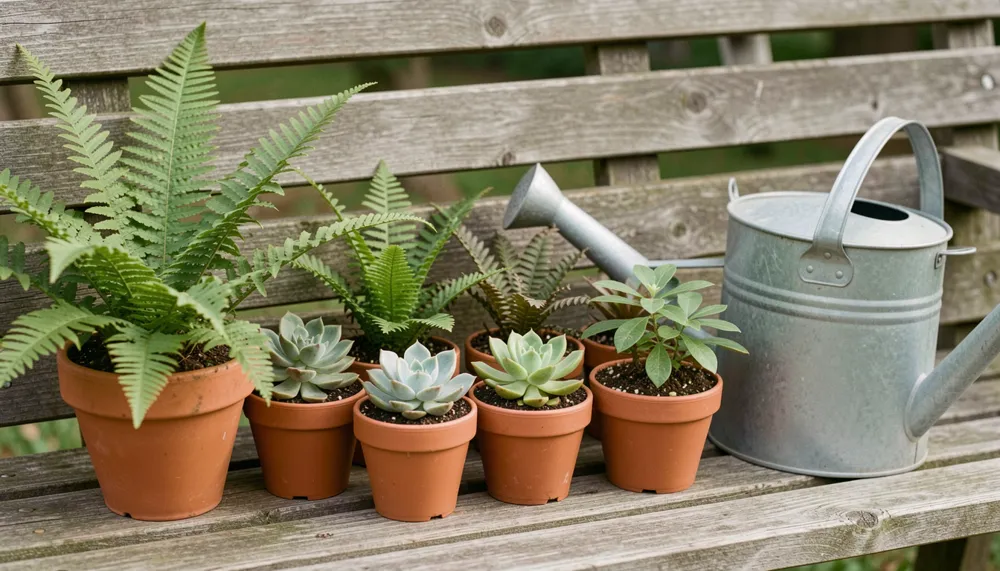 How to Give Away Houseplants Responsibly to New Owners
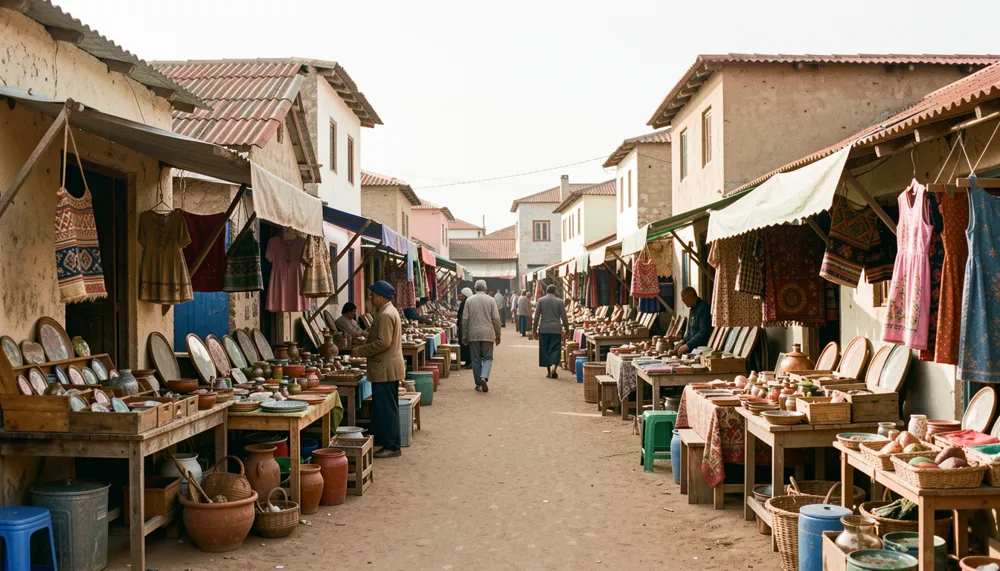 A Guide to Flea Markets and Second-Hand Shopping in Lugulu, Kenya
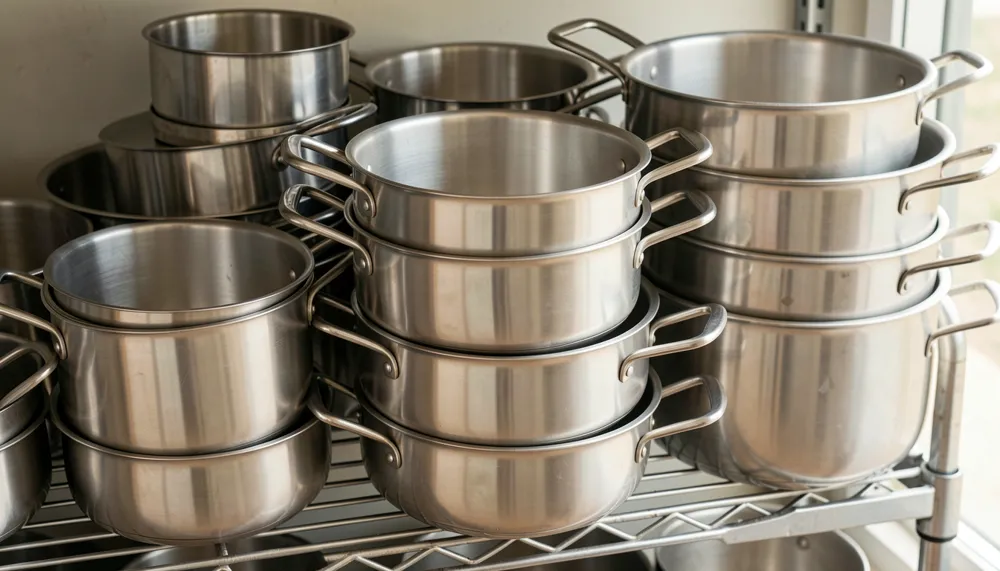 What to Check When Buying Second-Hand Kitchenware