
The Best Times of Year for Garage Sales and Flea Markets
October 16, 2026
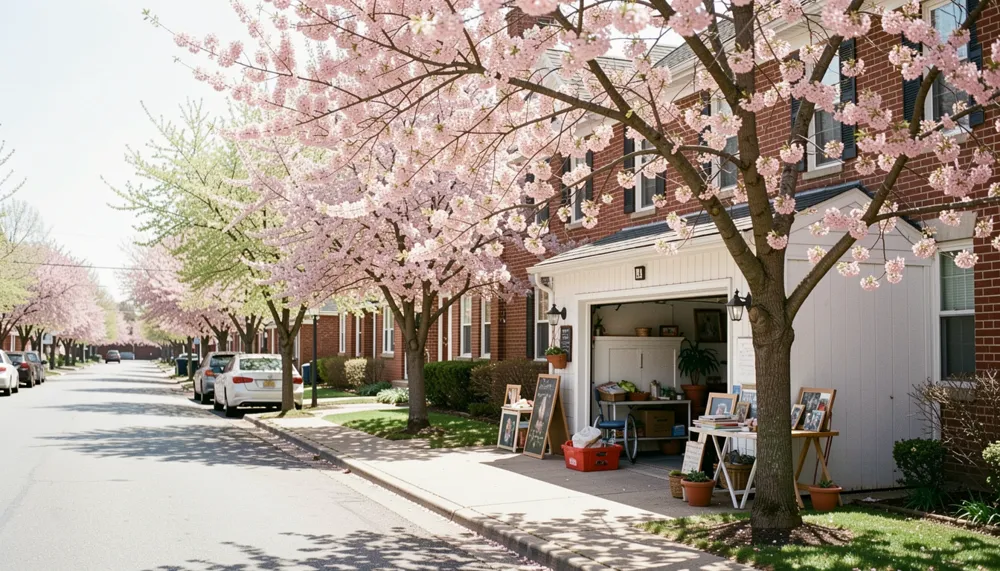
Timing is often the most overlooked factor in the success of a garage sale or the efficiency of a flea market visit. While many people assume that any sunny weekend is ideal, the reality is more nuanced. The best time to hold or attend these events depends heavily on local climate patterns, cultural habits regarding shopping, and the specific goals of the participants. Whether you are looking to declutter your home quickly or hunt for unique vintage items, understanding the seasonal rhythms can significantly improve your experience. This guide explores how different times of the year affect traffic, inventory quality, and overall atmosphere, helping you choose the optimal window for your needs.
Spring: The Season of Renewal and Fresh Starts
Spring is widely considered the prime season for garage sales in many temperate regions. As the weather warms up and days become longer, households tend to engage in thorough cleaning and decluttering. This natural cycle of renewal means that sellers often have a high volume of items ready to go, ranging from winter clothing to outdated home decor. For buyers, spring offers a diverse selection because sellers are motivated to clear space for the upcoming summer season.
The mild temperatures of spring are also conducive to outdoor activities. People are more likely to walk around neighborhoods or visit local markets when the weather is neither too hot nor too cold. This results in steady foot traffic throughout the day rather than concentrated bursts. However, spring weather can be unpredictable. Rain showers are common in many areas, which can dampen attendance if the event is not properly sheltered. Sellers should prepare for this by having tents or indoor backup plans ready. Buyers should dress in layers to accommodate changing temperatures. In regions with distinct four-season climates, late spring often provides the best balance of comfortable weather and high inventory availability.
Summer: High Traffic and Early Morning Advantages
Summer brings a different dynamic to garage sales and flea markets. The long daylight hours allow for extended operating times, which can be beneficial for both sellers and buyers. In many cultures, summer is associated with leisure and outdoor socializing, making weekend markets a popular activity. The warm weather encourages people to spend more time browsing, which can lead to higher sales volumes for vendors and more thorough exploration for buyers.
However, summer heat can be a double-edged sword. In hotter climates, the midday sun can drive away potential customers who prefer to stay indoors or seek air-conditioned environments. To counteract this, successful summer sales often start very early in the morning. Arriving shortly after sunrise allows buyers to browse comfortably before the temperature rises significantly. Sellers benefit from this early rush as well, catching the attention of serious bargain hunters who make their rounds early in the day. It is important to note that summer inventory may skew towards seasonal items like patio furniture, bicycles, and summer clothing. Buyers looking for winter gear or indoor decor might find fewer options during these months. Hydration is key for everyone involved, as the combination of physical activity and heat can be taxing.
Autumn: The Harvest of Hidden Gems
Autumn is often underrated as a prime time for flea markets and garage sales, yet it offers unique advantages. As the weather cools, people begin to organize their homes for the upcoming winter. This process often involves sorting through accumulated items from the previous year, leading to a fresh influx of goods. Unlike spring, where the focus is on clearing space, autumn sales often feature items that have been stored away, such as holiday decorations, books, and hobby equipment.
The lighting conditions in autumn are also favorable for browsing. The softer, angled sunlight makes it easier to inspect items for defects or details without harsh glare. This is particularly useful for flea market enthusiasts who appreciate the tactile experience of handling vintage goods. Additionally, autumn often coincides with harvest festivals and local community events in many countries, which can boost foot traffic to nearby markets. Sellers may find that buyers are more willing to negotiate prices as they prepare for the holiday season, seeking to maximize their budgets. However, the days become shorter, so events may need to conclude earlier in the evening. Planning for twilight visibility is essential to ensure that items can still be seen and appreciated by late arrivals.
Winter: The Quiet Season with Unique Opportunities
Winter presents a distinct set of challenges and opportunities for garage sales and flea markets. In colder climates, outdoor events are less frequent, and attendance can be lower due to the weather. Many people prefer to stay indoors, which reduces the casual foot traffic seen in other seasons. However, this lower volume can be advantageous for serious buyers. With fewer competitors, there is less pressure to make quick decisions, allowing for more thoughtful browsing and negotiation.
Winter sales often feature items that are relevant to the season, such as coats, heaters, and indoor entertainment systems. Sellers may be more motivated to clear inventory before the holiday rush, leading to potentially better deals. In regions with mild winters, outdoor markets remain active year-round, offering a consistent supply of goods. For those in colder areas, indoor flea markets or covered markets become the primary venues. These settings provide a controlled environment that is comfortable for browsing regardless of external weather conditions. It is important to check local customs, as some countries prioritize indoor shopping during winter months, while others maintain robust outdoor market traditions. Dressing warmly and arriving early to catch the best selection before the cold sets in is a practical strategy for winter visits.
Cultural Variations and Local Customs
It is crucial to recognize that the optimal timing for garage sales and flea markets varies significantly by country and culture. In some regions, weekend mornings are the standard time for these events, while others may favor late afternoons or evenings. In Mediterranean climates, for example, the midday heat might lead to a siesta break, with activity picking up again in the late afternoon. In contrast, northern European countries might maximize daylight hours by starting early and finishing before dusk.
Local holidays also play a role. In some cultures, major religious or national holidays may reduce attendance at local markets as families gather for private celebrations. In others, holidays might boost traffic as people seek gifts or decorations. Understanding these local rhythms is essential for both sellers and buyers. Checking community calendars or local news sources can provide insights into typical attendance patterns. Additionally, some regions have specific traditions regarding bargaining. In certain cultures, haggling is expected and part of the social interaction, while in others, fixed prices are the norm. Being aware of these nuances helps in planning the right approach for each season and location.
Practical Tips for Maximizing Your Experience
Regardless of the season, preparation is key to a successful garage sale or flea market visit. For sellers, staging items neatly and providing clear signage can attract more attention. Using natural light to your advantage, especially in spring and autumn, can make items look more appealing. For buyers, bringing cash in small denominations speeds up transactions and is often appreciated by sellers. Having a list of desired items helps focus your search, but leaving room for spontaneous discoveries can lead to unique finds.
Weather preparedness is another critical factor. Checking the forecast a few days in advance allows you to adjust your plans accordingly. If rain is expected, bringing a compact umbrella or wearing waterproof clothing ensures comfort. For summer visits, bringing water and wearing breathable fabrics helps manage heat. In winter, layering clothing allows you to adjust to changing temperatures as you move between indoor and outdoor spaces. Tools like Bazarmap show such posts on a free live map, helping users locate nearby events and check real-time updates on weather conditions and vendor availability. This digital aid can streamline the planning process, ensuring that you arrive at the right time with the right expectations.
Conclusion
Choosing the best time of year for garage sales and flea markets involves balancing weather conditions, cultural habits, and personal preferences. Spring offers fresh inventory and mild weather, summer provides long days and high traffic, autumn brings hidden gems and comfortable browsing conditions, and winter offers quieter opportunities for serious buyers. By understanding these seasonal dynamics and respecting local customs, you can enhance your experience whether you are selling or buying. Planning ahead, dressing appropriately, and staying informed about local events will help you make the most of every opportunity. Ultimately, the best time is when you are prepared and engaged, ready to appreciate the unique character of each season’s market offerings.
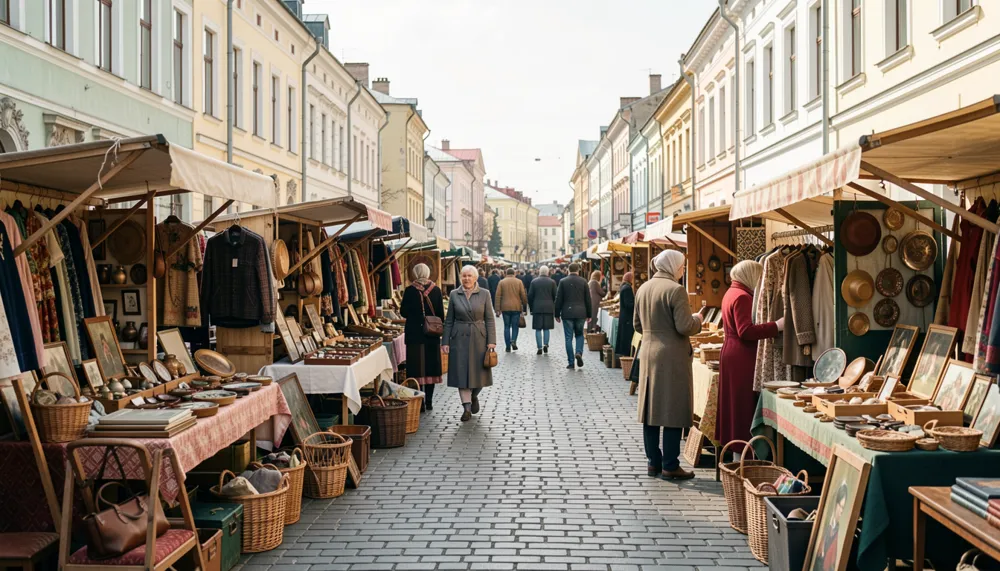 A Guide to Second-Hand Shopping and Flea Markets in Kyiv
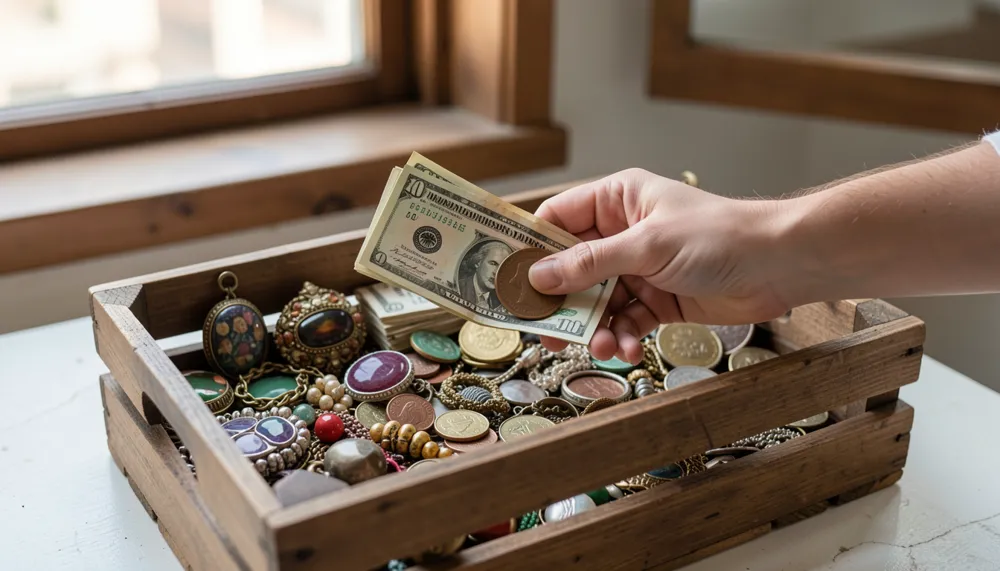 Polite Phrases to Negotiate Prices at Flea Markets
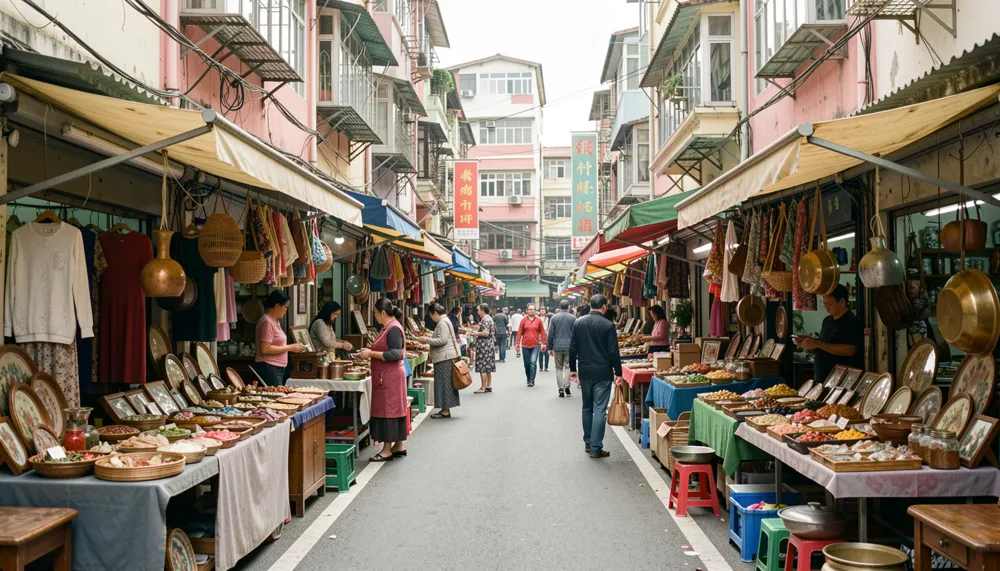 A Guide to Flea Markets, Second-Hand Shops, and Charity Stores in Hong Kong
 How to Give Away Houseplants Responsibly to New Owners
 A Guide to Flea Markets and Second-Hand Shopping in Lugulu, Kenya
 What to Check When Buying Second-Hand Kitchenware